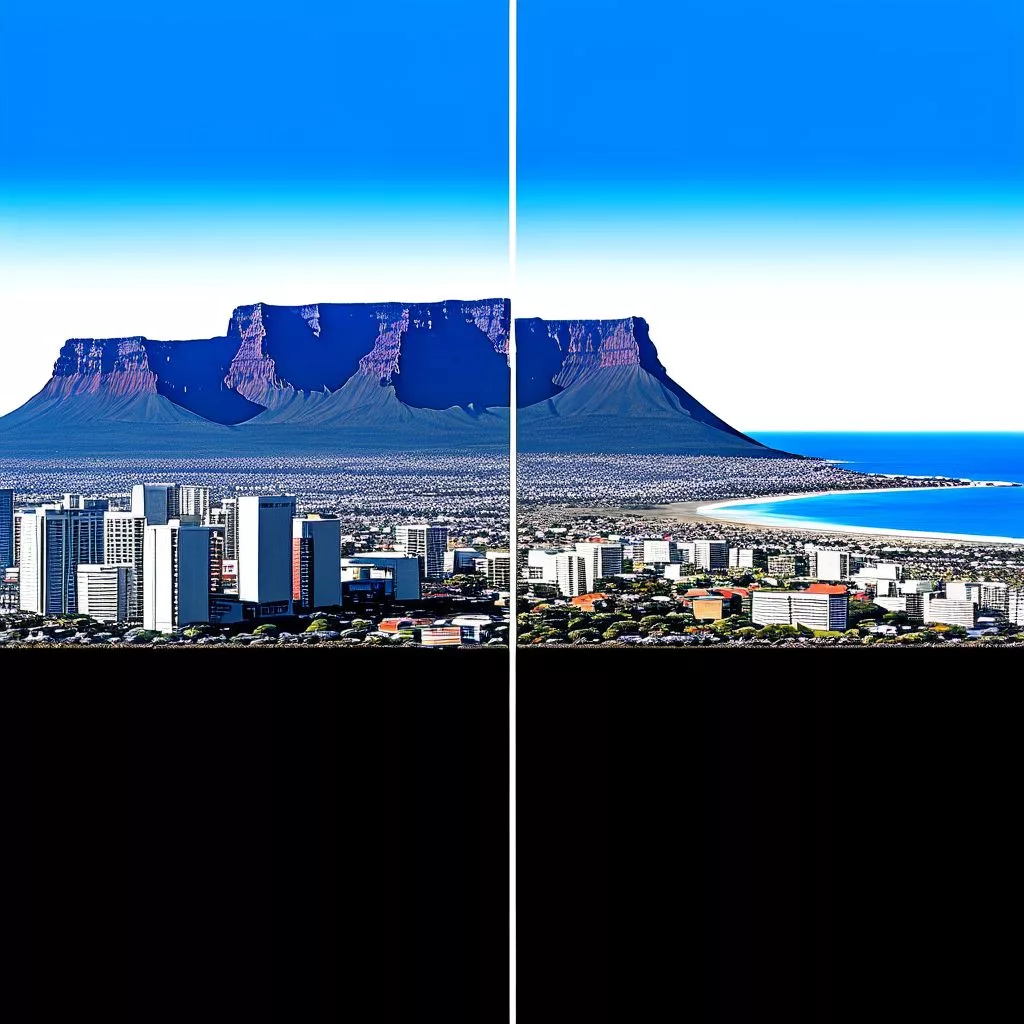
People move between Gauteng and the Western Cape in South Africa chasing different dreams. Gauteng pulls them with big job chances and busy city life, while the Western Cape offers calm, creativity, and a chance to work from anywhere. Many start by leaving Gauteng for a peaceful life in Cape Town but often return when work calls them back. This back-and-forth shows how people search for a home that fits both their ambitions and their need for balance. Together, these two places keep shaping each other as people flow between them.
Why are people migrating between Gauteng and the Western Cape in South Africa?
People migrate between Gauteng and the Western Cape seeking a balance of career opportunities and lifestyle. Gauteng attracts professionals with economic prospects and networking, while the Western Cape offers a relaxed lifestyle, creativity, and remote work flexibility, making both regions key in South African internal migration.
Urban Rivals: Gauteng and the Western Cape
Every morning, Johannesburg stirs to life with the shuffle of commuters and the bellowing of taxis. Meanwhile, Cape Town rests under the watchful gaze of Table Mountain, its streets blending city bustle with seaside calm. For decades, these two cities have symbolized contrasting destinies: Gauteng as the seat of economic opportunity and relentless drive, and the Western Cape as an escape to scenic tranquility and a richer quality of life.
Despite their clear differences, the movement between these regions reveals more complex motivations. Recent statistics from Wise Move, a relocation platform, shed light on a new trend: highly qualified professionals are not only moving south for lifestyle, but many are now returning north to Gauteng, lured by the promise of greater career prospects. This development challenges the familiar story of people leaving the hectic pace of Johannesburg and Pretoria for Cape Town’s relaxed, creative atmosphere.
Chante Venter, CEO and co-founder of Wise Move, explains Gauteng’s enduring draw. Johannesburg and Pretoria, the province’s economic pillars, still provide unmatched opportunities for career growth and entrepreneurship. The financial district of Sandton, often called “Africa’s richest square mile,” remains a magnet for those chasing professional advancement, offering the infrastructure and networks often absent elsewhere.
Changing Currents: Who Leaves and Who Stays?
Venter’s insights reveal a surprising contradiction: while Gauteng attracts ambitious talent, it also loses residents at a striking rate, with a -20.1% net outflow in 2024. The city’s gravitational pull competes with its own challenges—fast-paced, crowded urban life and escalating costs—causing many to seek alternatives when the tradeoffs no longer make sense. It’s a dynamic migration, not a simple one-way flow.
Personal stories mirror this complexity. Sipho, an IT consultant raised in Pretoria, sought a slower rhythm and moved to Cape Town, envisioning a permanent escape. “I thought I’d stay forever,” he recalls. Yet, after two years, career advancement and exciting projects drew him back to Gauteng. Sipho’s journey is far from unique; Wise Move’s data reveal that while many head south, a significant number later return, pulled by Gauteng’s professional ecosystem.
Meanwhile, the Western Cape has become the most popular destination for those relocating within South Africa. Wise Move reports that 32.4% of all inter-provincial moves are toward this region, while only 15.1% of its residents opt to leave. This high retention rate points to a powerful sense of belonging and satisfaction, suggesting that the Western Cape offers something that not only attracts but also keeps people rooted.
The Western Cape’s Magnetic Appeal
Several factors explain why so many choose the Western Cape—and why so few leave once they arrive. The province has branded itself as a center for creativity, entrepreneurship, and innovation, especially through initiatives like “Silicon Cape.” This movement, inspired by the technology boom of California’s Silicon Valley, has fostered a vibrant community of tech innovators and start-ups in Cape Town. The region’s creative sectors—film, food, design—also contribute to its reputation as a destination for ambitious professionals seeking more than just a corporate job.
The rise of remote work during the pandemic accelerated this trend. With flexible working arrangements, professionals no longer feel tied to Gauteng’s urban core. They can now trade long commutes for the freedom of a swim at Clifton Beach or a hike in the Newlands Forest before their first meeting of the day. This flexibility allows people to design their days around both work and lifestyle, making the Western Cape especially appealing.
Another cornerstone of the Western Cape’s allure lies in its lifestyle. The province’s mild climate, natural beauty, and historic architecture echo the ideals of a balanced, creative life. Wine estates, farmers’ markets, and oceanview neighborhoods foster a strong sense of community among residents, making the region attractive not just for individuals, but for families looking to put down roots.
Two-Way Streets: Movement, Exchange, and New Destinations
Yet, migration is not a one-way ticket to paradise. The relationship between Gauteng and the Western Cape remains dynamic, with both sending and receiving a steady flow of residents. The data show that nearly half—48%—of all inter-provincial moves traverse the route from Johannesburg and Pretoria to Cape Town. These migrants often bring sought-after skills and capital, reshaping the culture and economy of both their origin and destination.
However, a quarter of Western Cape leavers return to Gauteng, drawn by higher salaries, broader professional circles, or a longing for the city’s energy. Others look east to Gqeberha (formerly Port Elizabeth), where they find a balance between city amenities and affordability. As Gqeberha grows in prominence, it begins to attract those who desire a slower pace without sacrificing urban comforts.
Economics remain at the heart of these decisions. Gauteng’s legacy as a center for mining, finance, and industry keeps it integral to the country’s workforce, regardless of the rise of digital workplaces. Corporate headquarters, established industries, and a dense network of professionals continue to make Gauteng indispensable for those prioritizing career advancement. In contrast, the Western Cape’s economy has shifted toward tourism, agriculture, technology, and the arts, offering a more diversified array of opportunities.
Migration’s Deeper Roots and Ongoing Evolution
The ebb and flow of people between these provinces reflects larger historical and global patterns. South Africa’s gold rush in the late 1800s turned Johannesburg from a dusty mining town into a sprawling metropolis, drawing fortune-seekers from across the country. After apartheid ended in the 1990s, new freedoms and economic reforms sparked waves of internal migration. Today, digital connectivity enables professionals to move with ease, no longer relying on geography but rather on opportunity and lifestyle.
Walk through Cape Town’s city center and you’ll encounter newcomers from across the country: a Pretoria family weighing schools in Rondebosch, a Johannesburg tech entrepreneur scouting office space in Woodstock, or a Durban wine merchant testing the market in Stellenbosch. Each newcomer adds to the city’s evolving story, turning personal choices into collective trends that shape the future of both regions.
Gauteng and the Western Cape influence each other in a complex dance. The transfer of skills, ideas, and resources creates a feedback loop that fuels reinvention and growth in both provinces. Neither region stands still; each adapts in response to the ambitions and needs of those who cross their borders. Even as cities like Gqeberha rise, the main axis of movement remains between Gauteng and the Western Cape, a testament to their continued relevance.
This ongoing migration tells a story of resilience and adaptation. South Africans, faced with an ever-shifting landscape of challenges and opportunities, continue to move in search of something better—whether that means higher pay, a slower pace, or the elusive balance between career and lifestyle. Their journeys, spanning highways, airports, and city streets, reflect a nation in constant motion, always on the lookout for a new horizon.
FAQ: The New Patterns of South African Migration Between Gauteng and the Western Cape
1. Why are people migrating between Gauteng and the Western Cape?
People migrate between Gauteng and the Western Cape primarily to find a balance between career opportunities and lifestyle preferences. Gauteng offers abundant economic prospects, professional networks, and career advancement, especially in Johannesburg and Pretoria’s business hubs. In contrast, the Western Cape attracts those seeking a more relaxed lifestyle, creative industries, and the flexibility to work remotely, making both regions key destinations for South African internal migration.
2. What makes Gauteng such a strong magnet for professionals despite its challenges?
Gauteng remains South Africa’s economic powerhouse, housing the financial district of Sandton—often called “Africa’s richest square mile”—and numerous corporate headquarters. This concentration of industries, mining, finance, and entrepreneurship opportunities provides unmatched career growth potential. Though Gauteng faces challenges like urban congestion, high living costs, and a fast pace, ambitious professionals are often drawn back by the city’s dynamic job market and vast professional networks.
3. Why is the Western Cape considered appealing for migrants, and why do many choose to stay there?
The Western Cape is appealing due to its mild climate, natural beauty, and lifestyle advantages including outdoor recreation, cultural vibrancy, and community-centered living. The region has developed a strong creative and tech sector, epitomized by initiatives like “Silicon Cape,” fostering entrepreneurship and innovation. The rise of remote work has also enabled many professionals to relocate here without sacrificing their careers. High retention rates suggest that once people settle in the Western Cape, they often find a sense of belonging and quality of life worth staying for.
4. Is migration between Gauteng and the Western Cape a one-way movement?
No, migration between these provinces is dynamic and bidirectional. While nearly half of all inter-provincial moves are from Gauteng to the Western Cape, a significant portion of Western Cape residents return to Gauteng for better salaries, broader professional circles, or the city’s energy. Additionally, some migrants explore other growing urban centers like Gqeberha, which offers a middle ground of affordability and urban amenities.
5. How has the rise of remote work influenced migration patterns in South Africa?
Remote work, accelerated by the COVID-19 pandemic, has significantly influenced migration by allowing professionals to decouple their jobs from physical location. This flexibility enables many to leave bustling Gauteng for the Western Cape’s natural environment and lifestyle, without compromising career opportunities. Remote work has thus reinforced the Western Cape’s appeal as a destination for those seeking a healthier work-life balance and has diversified internal migration flows.
6. What historical and economic factors underpin the ongoing migration between Gauteng and the Western Cape?
Historically, Gauteng’s development was driven by the gold rush in the late 1800s, establishing it as South Africa’s economic hub. Post-apartheid reforms and globalization have further encouraged internal migration as people seek economic freedom and opportunity. Economically, Gauteng remains the center for mining, finance, and industry, while the Western Cape’s economy has diversified into tourism, agriculture, technology, and the arts. This economic complementarity, combined with evolving lifestyle preferences and digital connectivity, sustains the ongoing flow of people between the two provinces.
If you’d like more detailed insights or data about South African migration trends, feel free to ask!