Not all heroes wear capes, but sometimes they carry a Pink Rescue Buoy. The National Sea Rescue Institute (NSRI) developed an innovative, groundbreaking initiative for drowning prevention in 2017. This initiative has been so successful that it won the International Maritime Rescue Federation (IMRF) Award for Innovation and Technology in 2018.
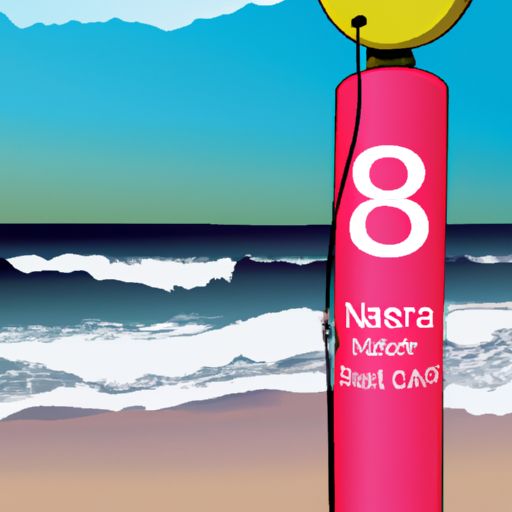
Strategically located on signs at selected inland rivers, dams, and beaches, the NSRI Pink Rescue Buoy initiative is a life-saving tool. These brightly colored pink buoys serve as a reminder to exercise caution when no lifeguards are present. In addition, they can be utilized as emergency flotation if someone is in distress in the water until help arrives.
This initiative has been a game-changer for drowning prevention in South Africa. With over 1600 buoys deployed strategically, the NSRI has saved countless lives by providing emergency flotation for people in distress in the water. The initiative has also raised awareness about water safety and the importance of having trained lifeguards on duty.
Renaldo Arthur: A True Hero
Renaldo Arthur, a true hero, demonstrated the life-saving potential of the NSRI Pink Rescue Buoy initiative when he sprang into action at Kleinmond Harbour. Sitting on the benches behind the trees in the harbor, Renaldo heard shouting coming from the harbor wall approximately 70 meters away. Investigating the commotion, he noticed two women and one man in distress in the water and ran over to the harbor wall to assist them, injuring his knee in the process.
The man spotted in the water attempted to rescue one of the women but could not. He had to swim back to hold onto the harbor steps to avoid the risk of drowning. The woman he tried to save was able to reach safety. However, the other woman seemed to struggle more, as her head went under the water several times.
Without any hesitation, Renaldo Arthur jumped into the water to rescue the distressed woman. Once he reached her, he tried to hold her up, but she panicked and tightly grabbed him around the neck, causing him to lose some of his teeth. Shortly after, another man named Dustin jumped in to help. At that moment, an employee from the Overstrand Municipality named Raowi tossed the pink buoy stationed at Kleinmond Harbour towards the persons swimming in the sea. Renaldo and Dustin convinced the woman to grip the pink buoy or lie down on it. After then, they successfully dragged the woman out of the sea by using the strap attached to the buoy and brought her to the safety of the port wall.
The Importance of the NSRI Pink Rescue Buoy Initiative
The NSRI Pink Rescue Buoy initiative has been vital in preventing drowning incidents in South Africa. Its success in saving countless lives is a testament to its importance. Furthermore, the quick-thinking actions of heroes like Renaldo Arthur, Dustin, and Raowi, who utilized this innovative initiative to save a woman’s life, are a testament to its effectiveness.
The initiative has also raised awareness about water safety and the importance of having trained lifeguards on duty. The NSRI Pink Rescue Buoy initiative is a game-changer in preventing drowning incidents in South Africa. It is essential to continue to support the NSRI in its efforts to create a safer environment for all South Africans.
To learn more about the NSRI and its initiatives, visit their official website.