The city works hard to keep parks, libraries, and clinics safe and open for everyone by using security guards, cameras, and strong fences. But people in the community play an even bigger role by watching out for trouble, cleaning up, and taking care of these shared spaces. When neighbors come together, these places feel welcoming and alive, full of laughter and life. Protecting public spaces isn’t just about stopping crime – it’s about building trust and pride in the neighborhoods we call home. Together, the city and its people keep these places safe and bright for today and the future.
How does the city safeguard public spaces while keeping them open and welcoming?
The city protects public spaces by combining security measures – like patrols, surveillance, and reinforced infrastructure – with strong community involvement. This includes neighborhood watch programs, local cleanups, and prompt reporting, ensuring parks, libraries, and clinics remain safe, accessible, and vibrant for all residents.
The Scope and Stakes of Urban Stewardship
Every dawn, as the city stirs to life, the ritual of unlocking public spaces quietly begins. Park gates swing open, community centers ready their halls, and libraries prepare for crowds seeking knowledge or refuge. These locations – so often taken for granted – serve as the connective tissue that binds diverse neighborhoods. They are more than facilities; they embody the hope and resilience of a community.
Overseeing these vital assets is a monumental undertaking. The city’s Community Services and Health Directorate manages a staggering portfolio: over 8,000 properties, including more than 3,500 parks, hundreds of community centers and libraries, bustling recreation centers, and health clinics that reach the city’s most underserved. Each site, from serene cemeteries to vibrant sports complexes, requires constant vigilance and care. Their role in daily life is profound, whether providing a safe playground, hosting cultural events, or offering essential medical services.
However, the responsibility to sustain these spaces grows more demanding each year. A relentless tide of vandalism, theft, and violent incidents threatens to undermine progress. In some instances, authorities have had no choice but to temporarily close facilities to shield staff and the public from harm. The damage is not simply physical; it erodes the trust and sense of community these spaces are meant to foster. Incidents like repeated break-ins at Lwandle Library illustrate the challenge, underscoring how fragile community assets can become without collective protection.
The City’s Response: Balancing Security and Openness
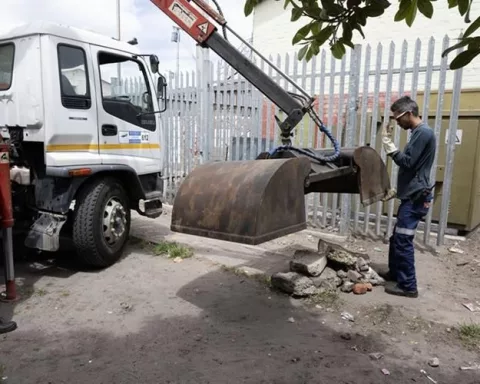
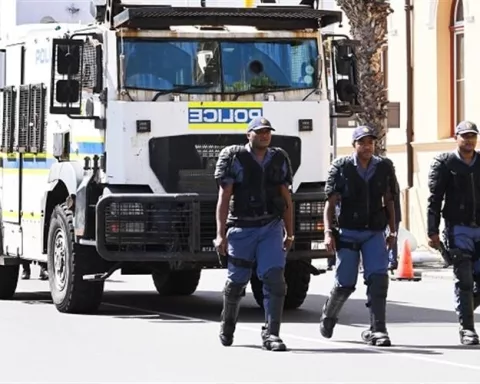
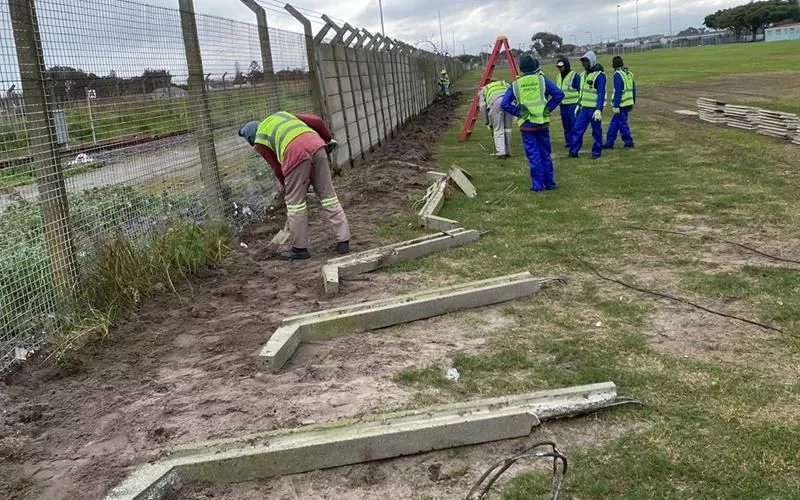
City officials have recognized that protecting public spaces requires more than routine maintenance. The increase in crime has prompted a dual approach: fortifying vulnerable facilities and deepening ties with the neighborhoods they serve. Security strategies now blend traditional measures – such as hiring patrol personnel and installing sturdy fences – with modern technology, including surveillance cameras, motion detectors, and alarm systems. Physical upgrades like reinforced doors and shatterproof windows further deter opportunistic crime.
The financial commitment to these efforts is significant. Each year, the city allocates close to R400 million for security operations – a figure that reflects the scale and seriousness of the challenge. In a context where a single act of vandalism can disrupt access to an entire community, prevention becomes a cost-effective and necessary investment. But as Councillor Francine Higham often emphasizes, safeguarding public spaces is not solely the city’s job. She calls on citizens to treat parks, libraries, and clinics as extensions of their homes, encouraging vigilance, prompt reporting of suspicious activity, and active participation in community watch programs.
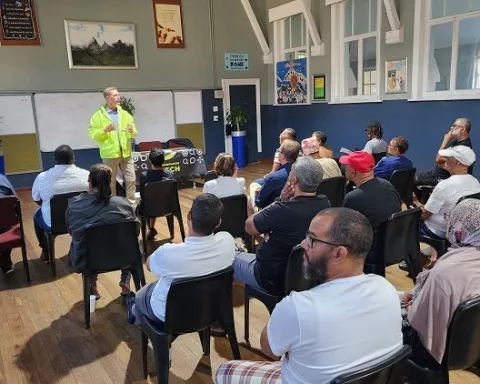
This philosophy draws on a long urban tradition: the belief that public spaces thrive when people feel responsible for them. As seen in cities worldwide, community engagement acts as a powerful deterrent to crime. When residents invest time and care – organizing cleanups, reporting hazards, or simply watching out for each other – public resources remain safer and more vibrant.
Community Involvement: The Cornerstone of Resilient Spaces
Experience shows that cities enjoy greater success in protecting public amenities when they work shoulder to shoulder with local groups. In many neighborhoods, watchful citizens have proven more effective than any CCTV system. Historical examples abound, from New York’s citizen patrols in Central Park to Tokyo’s neighborhood cleanups. The lesson is clear: when people cherish and use communal spaces, they become the first and most effective line of defense against neglect and crime.
South African cities have their own models of effective community involvement. Local schools often collaborate with libraries to run after-school programs, boosting both literacy and safety. Faith groups and neighborhood associations “adopt” parks, organizing weekend cleanups, planting trees, and even raising funds for new playground equipment. These initiatives not only improve safety but also foster a sense of belonging and pride. Facilities supported by engaged communities experience fewer incidents of vandalism and attract more visitors, thus reinforcing the positive cycle.
However, the threats remain real and persistent. Illegal dumping, copper theft, and violent crime disrupt the normal rhythms of community life. When copper wiring disappears from a sports field, children’s games get cancelled and families lose an evening’s recreation. A vandalized clinic or library can deprive a neighborhood of essential services for weeks, sometimes months. The consequences of these losses ripple outward, weakening social bonds and deepening mistrust.
The Long-Term Costs and the Path Forward
Urban thinkers have long argued that well-maintained public spaces are a sign of a healthy civic life. Neglect, on the other hand, can set off a downward spiral. The “broken windows theory” holds that visible decay – like broken park benches or graffiti – signals a lack of care and attracts further damage. The city’s considerable investment in security and restoration is therefore not just about fixing what’s broken; it is about signaling a commitment to quality of life and the shared value of communal spaces.
Yet, an overemphasis on security can backfire. Too many fences, harsh lights, or security guards can make a park or library feel unwelcoming, undermining its very purpose. The most successful approaches balance vigilance with accessibility, ensuring everyone feels both safe and invited. This balance relies on ongoing dialogue between city officials and residents, adapting solutions to the unique needs of each community.
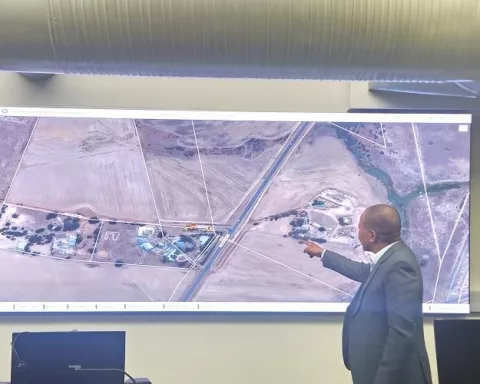
Collaboration remains the foundation of effective stewardship. The Directorate partners with local organizations, neighborhood patrols, and even tech innovators to enhance security. Residents now use mobile apps to quickly report damage or suspicious activity, while data analytics help city staff spot crime patterns and allocate resources more efficiently. These diverse efforts together create a safety net that goes beyond any one department or initiative.
Investing in the Spirit of the City
In the end, the value of public spaces cannot be measured solely in rands or square meters. The true return on investment comes in the form of thriving neighborhoods, resilient relationships, and the small daily joys these places provide – children’s laughter on a swingset, neighbors greeting each other in a park, or families gathering at a community center. Losing faith in these spaces would mean losing a part of the city’s soul.
Every effort to protect a clinic, park, or library is an affirmation of the belief that everyone deserves safe, welcoming places. As the caretaker who opens the park gates each morning might say, “We may have the keys, but it’s the community that keeps the heart of this place beating.” The ongoing challenge for the city – and for every resident – is not simply to defend public spaces, but to nurture them, ensuring they remain open, vibrant, and truly shared for generations to come.
FAQ: Safeguarding Public Spaces in Our City
1. How does the city keep public spaces safe while ensuring they remain open and welcoming?
The city employs a mix of security measures such as patrols, surveillance cameras, reinforced fences, and upgraded infrastructure like shatterproof windows. At the same time, it encourages strong community involvement through neighborhood watch programs, local cleanups, and prompt reporting of suspicious activities. This combined approach helps maintain safe, accessible, and inviting parks, libraries, clinics, and community centers for everyone.
2. Why is community involvement important in protecting public spaces?
Community members are often the first line of defense against vandalism, theft, and neglect. When residents actively care for shared spaces – organizing cleanups, reporting issues, and participating in neighborhood watch programs – they create a welcoming environment that deters crime and fosters pride and trust. Experience shows that engaged communities keep public spaces safer and more vibrant than security measures alone.
3. What challenges does the city face in maintaining these public facilities?
The city confronts ongoing threats such as vandalism, theft (including copper wiring theft), illegal dumping, and violent incidents. These actions not only cause physical damage but also disrupt community access and erode trust. In some cases, facilities have been temporarily closed to protect staff and visitors, which impacts the neighborhood’s social and recreational life.
4. How much does the city invest in securing public spaces?
The city allocates nearly R400 million annually toward security operations for its extensive portfolio of public spaces, which includes over 8,000 properties like parks, libraries, clinics, and community centers. This financial commitment is necessary to implement patrols, surveillance technologies, infrastructure upgrades, and community engagement programs.
5. How does the city balance security with keeping public spaces welcoming?
While strong security measures are essential, overdoing them – such as installing too many fences or harsh lighting – can make spaces feel uninviting. The city strives to find a balance by combining vigilance with accessibility, ensuring that parks and facilities are safe yet open and welcoming. This balance is achieved through ongoing dialogue with residents and adapting security solutions to each community’s needs.
6. What role does technology play in safeguarding public spaces?
Technology enhances the city’s efforts by supporting surveillance through cameras and motion detectors, and enabling residents to report damage or suspicious activities quickly via mobile apps. Data analytics help city officials identify crime patterns and allocate resources more efficiently. These innovations complement traditional security measures and community involvement to create a comprehensive safety network.
If you want to get involved or learn more about protecting your neighborhood’s public spaces, consider joining local watch groups or participating in community cleanups – every action helps keep our city vibrant and safe!