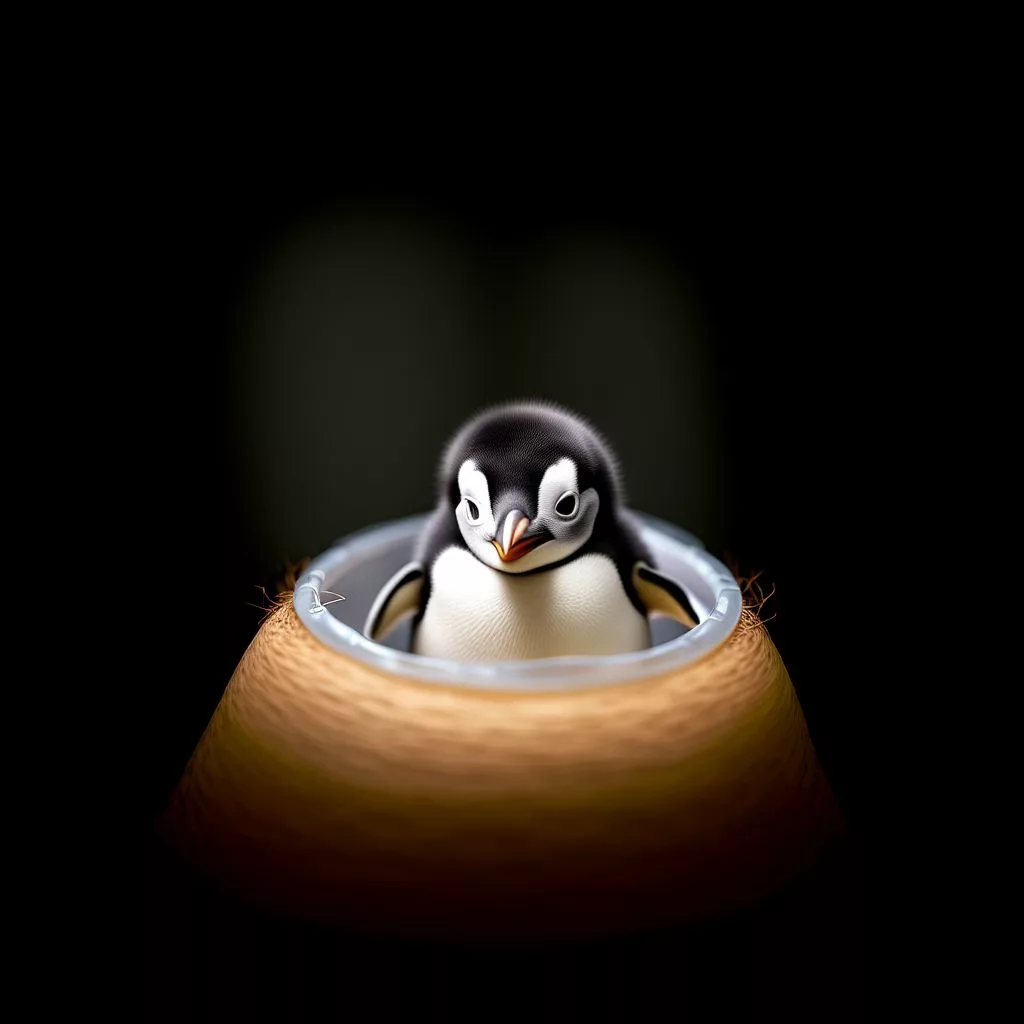
The Pamela Isdell Seabird Nursery in Cape Town is a special place that saves and cares for endangered African penguin chicks. It can now help twice as many birds, giving them a safe space to grow and recover from dangers like oil spills and loss of food. Caring hands use science and love to feed and protect these little penguins, hoping they can return to the wild strong and healthy. This nursery is a bright hope for the future of African penguins and shows how people working together can make a big difference.
What is the Pamela Isdell Seabird Nursery and how does it help African penguin conservation?
The Pamela Isdell Seabird Nursery in Cape Town is a cutting-edge facility that rescues and rehabilitates endangered African penguin chicks. It doubles the capacity to care for vulnerable penguins, combats threats like oil spills and overfishing, and supports conservation through scientific care and community education.
A New Chapter for Penguin Conservation
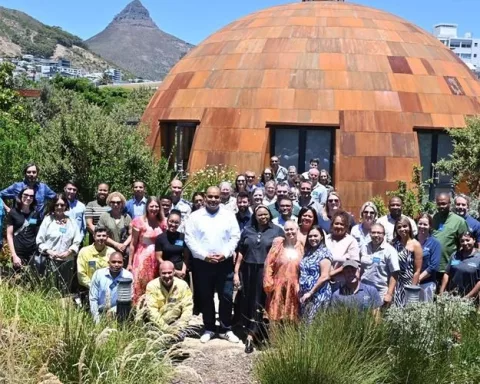
In the quiet suburb of Table View, Cape Town, a significant new development signals a fresh start for seabird preservation. The Pamela Isdell Seabird Nursery – a state-of-the-art addition to the Southern African Foundation for the Conservation of Coastal Birds (SANCCOB) – recently welcomed guests for its grand opening. This facility emerges not simply as another building but as a critical force in the fight to save the endangered African penguin, a species whose survival now hangs in the balance.
The inauguration ceremony married celebration with a sense of mission. Community members, local leaders, and committed conservationists gathered to mark the occasion, their shared enthusiasm carrying above the ever-present Atlantic breeze. At the heart of the event stood Natalie Maskell, SANCCOB’s CEO, who expressed gratitude for the support received while highlighting the escalating danger that faces these native birds. She explained that mounting environmental challenges have led to a sharp rise in the number of penguin eggs and chicks needing intervention. The original chick-rearing space, built in 2011, had become stretched beyond its limits, battered by ongoing crises such as oil spills, dwindling fish stocks, and shifting climate patterns. As the needs grew, the old facility struggled to keep up, especially with hygiene and space critical to the healthy development of vulnerable chicks.
Far from a luxury, the new nursery addresses an urgent necessity. Its realization depended on the generosity of benefactors, especially the late Pamela Isdell, whose commitment to conservation is now immortalized in the building’s name. With this expansion, SANCCOB can now incubate and rear double the number of eggs and chicks, providing a sanctuary not just for the African penguin, but also for the broader marine ecosystem that relies on their presence. The facility’s modern design and increased capacity reflect a deep commitment to safeguarding the future of these remarkable birds.
Inside the Nursery: Science and Dedication Intertwined
Within the nursery’s walls, a seamless blend of scientific rigor and heartfelt care defines every aspect of daily operations. A team of eleven seasoned rangers patrols five key penguin colonies along South Africa’s rugged coastline. These rangers play a hands-on role, locating eggs left behind by distressed parents and rescuing chicks that find themselves orphaned by predators or environmental mishaps. Every chick rescued embarks on a carefully monitored path to recovery, demonstrating how targeted intervention can truly change the fate of individual animals and their species as a whole.
The staff at the nursery adhere to a strict care regimen, developed through years of field experience and scientific research. Chicks receive a specialized diet rich in fish, carefully balanced with vital nutrients to mirror what attentive penguin parents would provide in the wild. Volunteers and staff maintain the facility’s cleanliness with unwavering diligence – a recognition that even minor lapses in sanitation could jeopardize the health of these fragile birds. SANCCOB takes pride in its impressive track record: out of more than 12,000 chicks nursed back to health, over 80% have successfully returned to their ocean home, ready to forge their own paths.
But the nursery’s story extends well beyond statistics. Visitors strolling its corridors may sense echoes of naturalist artistry, reminiscent of John James Audubon’s evocative bird portraits – each penguin brimming with character and determination. The African penguin’s distinct, tuxedo-like plumage and braying calls have inspired storytellers and researchers alike. While these creatures exemplify adaptability, the mounting scale of human-driven change now tests their resilience to the limit.
Facing Threats: Conservation Amid Modern Challenges
Despite the progress at the nursery, African penguins confront an array of ongoing threats. Overfishing in local waters has depleted key food sources like sardines and anchovies, making it harder for adult penguins to nourish their young. Industrial accidents, particularly oil spills, often leave devastating effects – coating feathers and polluting critical habitats. Meanwhile, the unpredictable weather patterns and temperature shifts brought by climate change continue to challenge the delicate balance required for these birds to thrive. The African penguin’s struggle mirrors larger environmental crises facing wildlife across the globe, as human industry leaves its mark on even the most remote corners of the earth.
During the nursery’s launch, Dion George, the Minister of Forestry, Fisheries and the Environment, addressed the crowd via a pre-recorded message. He spoke of hope and caution, highlighting governmental actions aimed at easing the penguin’s plight. Recent changes to fishing permits now offer better protection for breeding colonies, while tighter regulations on offshore ship-to-ship transfers aim to minimize the risk of future oil spills. These policy updates represent a crucial step towards harmonizing economic activity with ecological responsibility, showing that meaningful reform can arise when science and compassion inform public policy.
The significance of the nursery’s opening also lies in its power to inspire and educate. SANCCOB places outreach at the center of its mission, regularly inviting the public to observe the meticulous care given to each penguin chick. School groups, families, and curious visitors peer through observation windows, watching as caregivers feed and nurture the young birds. These encounters blend entertainment with enlightenment, much like the immersive natural history exhibits of the Victorian era, inviting a new generation to care deeply for the natural world.
Building a Culture of Stewardship and Hope
The event drew not only conservationists and government officials but also civic leaders who recognize the economic and cultural value of environmental stewardship. James Vos, Mayco Member for Economic Growth, attended the opening and shared plans for a new tourism initiative in Cape Town, focusing on wildlife conservation and natural experiences. This strategy marks a shift towards eco-tourism, aligning the city’s growth with global trends that value sustainability and authentic engagement with nature. By weaving conservation into its economic development, Cape Town positions itself as a leader in rethinking the relationship between urban life and the environment.
The increased visibility and support for SANCCOB’s work signals a larger societal transformation. Conservation, once viewed as a niche pursuit, now commands attention at the highest levels of city planning and policy-making. The African penguin, with its distinctive waddle and compelling story, has evolved into a symbol for endangered species everywhere, fostering empathy and action across diverse communities.
Personal stories from those on the front lines drive home the impact of this work. Rangers recall moments of joy and relief as rehabilitated penguin chicks regain their strength – a living testament to the value of persistence, skill, and hope. Artists and writers find endless inspiration in these resilient birds, recognizing in their survival a metaphor for the broader struggle of life against the odds.
Looking Forward: A Model for Collaborative Conservation
The Pamela Isdell Seabird Nursery stands as a monument to what collective effort can achieve. Its halls resonate with the chatter of growing chicks and the focused energy of those dedicated to their care. Through its innovative design, scientific excellence, and community engagement, the nursery offers a template for future conservation initiatives – one built on the pillars of rigorous research, practical action, and genuine compassion.
Here, the boundaries between past and future blur. Every rescued chick carries the legacy of those who came before while embodying hope for generations yet to come. The nursery’s existence serves as a reminder that, even in the face of daunting challenges, determined individuals and communities can make a tangible difference. As climate, industry, and conservation policy continue to intersect, the Pamela Isdell Seabird Nursery stands as a beacon – affirming that science, empathy, and united action remain our best tools for preserving the living world.
What is the Pamela Isdell Seabird Nursery and its role in African penguin conservation?
The Pamela Isdell Seabird Nursery is a specialized rehabilitation center in Cape Town dedicated to rescuing and caring for endangered African penguin chicks. It provides a safe, nurturing environment where vulnerable chicks – often affected by threats like oil spills, food shortages, and habitat loss – can be fed, protected, and nurtured back to health. The nursery has doubled its capacity compared to the previous facility, allowing it to care for twice as many penguins and increase the species’ chances of survival.
How does the nursery rescue and care for penguin chicks?
A team of experienced rangers patrols key penguin colonies along South Africa’s coastline to locate abandoned eggs and orphaned chicks. Rescued penguins are brought to the nursery, where they receive specialized diets that mimic natural feeding by penguin parents, alongside strict hygiene and veterinary care. Over 12,000 chicks have been successfully rehabilitated here, with more than 80% released back into the wild, demonstrating the effectiveness of their care protocols.
What are the main threats facing African penguins today?
African penguins face several serious challenges including overfishing – which reduces their primary food sources like sardines and anchovies – oil spills that contaminate their feathers and habitats, and climate change causing unpredictable weather and ocean conditions. These combined pressures have led to declining populations, making conservation efforts like those at the Pamela Isdell Seabird Nursery critically important.
How does the Pamela Isdell Seabird Nursery contribute to community education and awareness?
Beyond rehabilitation, the nursery plays a key role in educating the public about African penguins and marine conservation. Visitors, school groups, and families can observe the care given to the chicks through viewing windows, fostering a connection to wildlife and inspiring stewardship. This outreach helps raise awareness about environmental challenges and encourages community involvement in protecting these endangered birds.
What role do government policies and local initiatives play in penguin conservation?
Government support is vital in protecting African penguins. Recent policy changes include tighter fishing regulations around breeding colonies and stricter controls on offshore ship-to-ship oil transfers to reduce spill risks. Cape Town’s promotion of eco-tourism also aligns economic growth with wildlife conservation, showing how coordinated policy, industry, and community efforts can help safeguard endangered species.
Why is the Pamela Isdell Seabird Nursery considered a model for collaborative conservation?
The nursery exemplifies how science, compassion, and community cooperation can come together to protect vulnerable species. It combines state-of-the-art facilities, rigorous scientific care, active field rescue teams, and public engagement to create a comprehensive approach to conservation. This model not only benefits African penguins but also serves as an inspiring blueprint for protecting other endangered wildlife facing similar challenges worldwide.