Cape Town is fighting against metal theft using advanced technology like infrared cameras and a toll-free hotline with an incentive program for those who provide information that leads to the capture and prosecution of cable thieves. The city is also using a billboard campaign to deter potential thieves and reinforcing patrols to increase the pressure on metal thieves. The public is encouraged to report any suspicious activities and serve as protectors of the infrastructure in their local areas. Despite the challenges, Cape Town remains resilient and innovative in its fight against metal theft.
How is Cape Town combating metal theft?
Cape Town is combating metal theft through a groundbreaking billboard campaign, a toll-free hotline tied to a rewarding incentive program, and the use of cutting-edge technology like the “Eye-in-the-sky” system with infrared cameras. The city implores citizens to contribute to the apprehension of these criminals by offering rewards for information that leads to arrests and successful convictions. The city is also allocating substantial resources to repair and replace stolen cables and damaged street lights at an unprecedented rate.
A City’s Stand Against Metal Theft
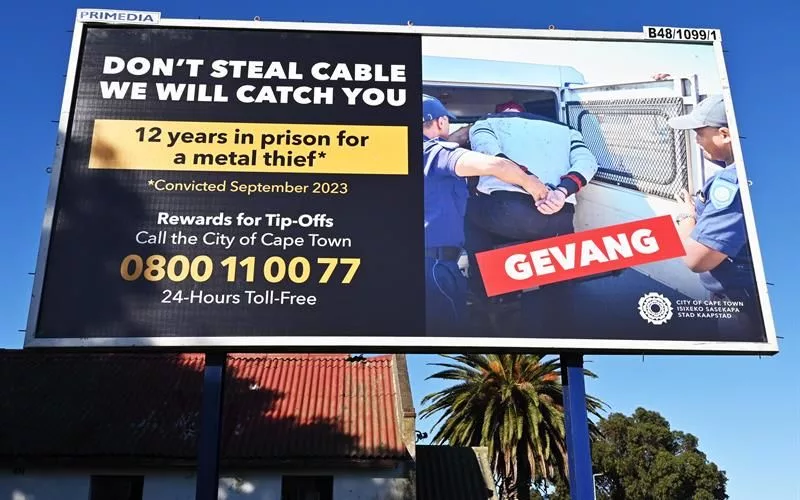
In the current landscape defined by escalating cable theft, Cape Town city makes a bold move by initiating a groundbreaking billboard campaign to combat metal thieves. The campaign, which officially began on 27th May, underscores the severe 12-year prison sentence handed to a metal thief in September 2023, thanks to the strategic efforts of the Metals Theft Unit of City Law Enforcement, fondly referred to as the Copperheads.
Billboards with a potent message, “Don’t steal cable, we will catch you”, are tactically positioned in zones infamous for metal theft. This initiative is reinforced with a 24/7, toll-free hotline, which is tied to a rewarding incentive program for valuable intelligence that aids in the capture and prosecution of cable thieves.
The seriousness of cable theft is echoed by the harsh penalties associated with the offense. Mayor Hill-Lewis emphasized, “Cable theft comes with a substantial prison sentence – 12 years, as was the case with a metal thief apprehended by the City last year. We are reinforcing our patrols, actively incentivizing the public for their assistance, and employing technology to increase the pressure on metal thieves.”
Advanced Technology and Public Participation
Alongside traditional approaches, the City has rolled out cutting-edge technology to tackle this widespread issue. A system known as the “Eye-in-the-sky,” equipped with infrared cameras, now persistently monitors and documents activities in high-risk areas throughout the night.
The public plays a crucial role in this fight against metal theft. The City implores citizens to contribute to the apprehension of these criminals by offering rewards for information that leads to arrests and successful convictions. Anonymity is maintained, and tips can be reported via the City’s 24/7 toll-free number, 0800 110077.
Following the campaign’s kick-off, Alderman JP Smith, the Mayoral Committee Member for Safety and Security, disclosed some remarkable statistics that attest to the effectiveness of the Metals Theft Unit. Over a specific duration, the unit apprehended 115 individuals, seized 10 vehicles, issued in excess of 2,380 penalties, and conducted over 1,700 scrapyard inspections.
The Fight Against Organized Crime and Infrastructure Protection
The City is not only battling minor players but also organized groups targeting essential infrastructure. In response, the City is allocating substantial resources, however, national changes are required to suppress the unlawful scrap metal trade.
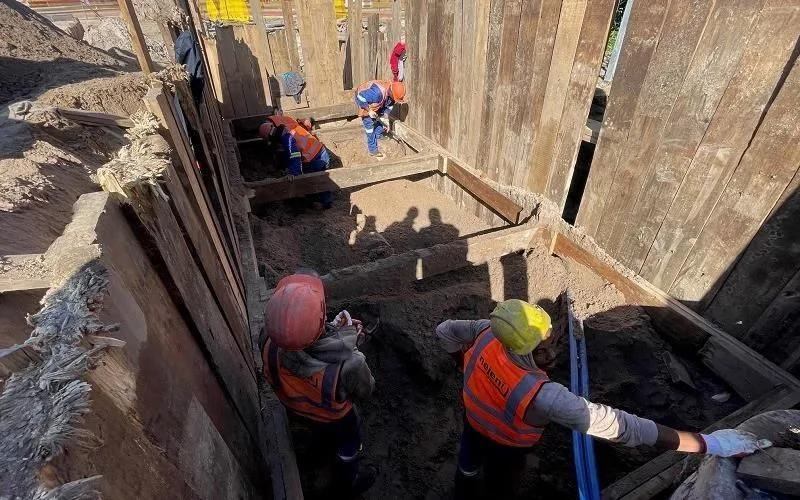
Councillor Beverley van Reenen, Mayoral Committee Member for Energy, clarified the City’s strategy to repair and replace stolen cables and damaged street lights at an unprecedented rate. In April 2024 alone, 1,120 street light cable replacements were made.
Despite these efforts, the situation remains challenging, with repaired streetlight poles being targeted almost instantly for further theft. Hence, the City is soliciting public assistance to aid in catching and convicting cable thieves.
In order to facilitate this, the “Let’s ACT Protect Your Power” campaign motivates residents to serve as protectors of the infrastructure in their local areas, reporting any suspicious activities like theft, vandalism, and illegal connections.
Furthermore, the City is taking leaps to reinforce the infrastructure against vandalism, investing more than R4bn in electricity grid upgrades, maintenance, and security measures over a span of three years.
A Global Challenge and Cape Town’s Way Forward
Cape Town’s concerted effort is part of a larger narrative, where cities globally are wrestling with similar issues. Nonetheless, through a blend of rigorous law enforcement, planned public collaboration, and the application of advanced technology, Cape Town is working diligently to provide a safer and brighter tomorrow for all its inhabitants. This city stands as an example of resilience and innovation in the face of adversity.
1. What measures is Cape Town using to combat metal theft?
Cape Town is using a combination of measures to combat metal theft, including a billboard campaign, a toll-free hotline with a rewarding incentive program, infrared cameras, increased patrols, and public participation.
2. How does the toll-free hotline work?
The toll-free hotline is available 24/7 and encourages citizens to report suspicious activities related to metal theft. The city offers rewards for information that leads to arrests and successful convictions, and anonymity is maintained.
3. What is the “Eye-in-the-sky” system?
The “Eye-in-the-sky” system is equipped with infrared cameras and monitors and documents activities in high-risk areas throughout the night.
4. What is the “Let’s ACT Protect Your Power” campaign?
The “Let’s ACT Protect Your Power” campaign motivates residents to report any suspicious activities like theft, vandalism, and illegal connections and to serve as protectors of the infrastructure in their local areas.
5. What is the city’s strategy to repair and replace stolen cables and damaged street lights?
The city is allocating substantial resources to repair and replace stolen cables and damaged street lights at an unprecedented rate. In April 2024 alone, 1,120 street light cable replacements were made.
6. What is the national situation regarding the unlawful scrap metal trade?
National changes are required to suppress the unlawful scrap metal trade, which is a major challenge faced not only by Cape Town but by cities globally.