
The Pursuit of Justice: Suspected Rwandan Genocide Participant Facing Court in Cape Town

1 min read
rwandan genocide justice

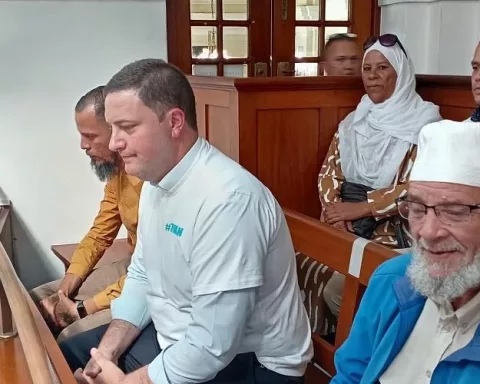
Fulgence Kayishema, a 62-year-old Rwandan national, will appear in court for the third time in the Cape Town Magistrate’s Court on June 9th. Kayishema, who is accused of participating in the Rwandan genocide of 1994, was arrested on May 24th in Paarl, South Africa after evading capture for decades.

Charges and Evidence

Kayishema faces two counts of fraud and three counts of violating the Immigration Act. The State is preparing extensive evidence against him. During his previous court appearance, the State requested a postponement due to the large volume of evidence that needed to be sifted through. State Advocate Nathan Adriaanse mentioned that he had received two lever arch files of evidence on June 1st.

Newsletter

Stay Informed • Cape Town

Get breaking news, events, and local stories delivered to your inbox daily. All the news that matters in under 5 minutes.

Join 10,000+ readers
No spam, unsubscribe anytime

Complete Charge Sheet

According to Eric Ntabazalila, the National Prosecuting Authority (NPA) spokesperson in the Western Cape, Advocate Adriaanse has drafted 17 charges after examining some of the files. The complete charge sheet is expected to be handed over to the defense on June 5th.

Fraud and Immigration-Related Charges

The fraud and immigration-related charges against Kayishema stem from allegations that he pretended to be a Burundian national in January 2000. Similar allegations surfaced in 2004 when he applied for formal refugee status and continued to reside in South Africa illegally. Kayishema plans to apply for bail, but the State intends to oppose it.

Pivotal Role in the Massacre

Kayishema is accused of playing a pivotal role in the massacre of approximately 2,000 Tutsis, including women, children, and elderly people, at the Nyange Catholic Church during the Rwandan genocide in 1994. He was indicted and charged with genocide, complicity in genocide, conspiracy to commit genocide, and crimes against humanity by the United Nations International Criminal Tribunal for Rwanda (ICTR) in 2001.

Arrest and Denial of Involvement

Kayishema was arrested at a small grape farm in Paarl, where he worked as a security guard and lived under an assumed name. During his first court appearance, he denied any involvement in the massacre when questioned by journalists. “What I can say, we are sorry to hear what was happening,” he stated when asked if he had a message for the victims. He continued, “There was a civil war in that time, and people were killing each other… I didn’t have any role.”

Reminder of Atrocities and Search for Truth

This case serves as a reminder of the atrocities committed in the Rwandan genocide and the ongoing efforts to bring the perpetrators to justice. While the search for the truth continues, the world watches as the process unfolds, hoping that justice will be served for the victims and their families.

Emma Botha is a Cape Town-based journalist who chronicles the city’s shifting social-justice landscape for the Mail & Guardian, tracing stories from Parliament floor to Khayelitsha kitchen tables. Born and raised on the slopes of Devil’s Peak, she still hikes Lion’s Head before deadline days to remind herself why the mountain and the Mother City will always be her compass.

Leave a Reply

Your email address will not be published.

Previous Story

Tribute to Joost van der Westhuizen, the Tenacious Scrumhalf Who Shaped Rugby History

Next Story

The Intricate World of Celebrity Relationships: Thando Thabethe and Lunga Shabalala

Latest from Blog

Mandeville Canyon’s Violent Dawn: The Reiner Murders That Shook Hollywood

Hollywood power couple Rob and Michele Reiner were brutally murdered in their fancy Mandeville Canyon home. They were found with many stab wounds, turning their peaceful house into a scary crime scene. Police are looking closely at Michele’s nephew, Caleb Singer, because they found a hatchet in his bag. This shocking event has left everyone wondering if old online fights led to this terrible act.

Twin Peaks, Twin Rescues: One Scorched Western Cape Afternoon

Two dramatic mountain rescues unfolded in the Western Cape on a scorching afternoon. First, an elderly British hiker suffered severe heatstroke on “The Oven” trail and was airlifted to safety. Soon after, a young engineer broke his ankle in the treacherous Witels Canyon, requiring a daring winch rescue. These events highlight how extreme heat and more visitors are making mountain rescues more common, stressing the need for preparation and quick responses.

Redberry Farm Unpeeled: A 24-Hectare Love Letter to Strawberries, Steel and Stories

{“text”: “Redberry Farm is not just a farm; it’s a magical place where strawberries, steel, and stories come alive! You’ll see a giant gate that \”breathes\” and hear whispers of tales to come. The farm grows delicious strawberries using clever tricks like special scents and tiny \”beebots\” to help them get super sweet. You can even stay in unique rooms or get lost in a huge maze, all while the farm uses smart tech to make sure everything is good for the earth and full of flavor. It’s a place that never truly sleeps, always working to bring you the best, sweetest stories and strawberries.”}

From SABC to SARS: South Africa’s Leap Toward a Streaming-Age Public-Media Levy

South Africa is ditching its old TV license for a new, smarter way to fund public media by 2027. Instead of paying for a TV, everyone will pay a small, regular amount, like a household bill, collected by SARS. This change aims to give the SABC steady money to keep telling our stories and sharing news, even if we watch on phones or computers. It’s a big leap from dusty old TVs to the modern streaming world, making sure public broadcasting stays alive and well for everyone.

When Gold Turns to Groceries: The Afterlife of a 1995 Springbok Medal

Adriaan Richter, a 1995 Springbok rugby hero, had to auction his World Cup medal because life tackled him hard. After business dreams crashed and debts piled up, that shining medal became his last hope. It wasn’t just gold; it was a lifeline, sold to cover his children’s school fees and keep his family afloat. This onceproud symbol of victory became a stark reminder of life’s tough scrums, showing how even a hero’s glory can turn into groceries.