Gham is a lively and unique way of speaking and living in the Cape Flats, full of energy, creativity, and community spirit. It’s much more than just words—it’s a mix of language, gestures, food like the famous gatsby sandwich, games, and art that bring people together and turn tough times into pride and joy. Gham grew from history and struggle but shines as a symbol of belonging, cleverness, and resilience. It’s a living culture that you feel in every smile, story, and shared meal, showing the true heart of the Cape Flats.
What is Gham and why is it important in the Cape Flats?
Gham is a vibrant dialect and cultural code unique to the Cape Flats, expressing identity, resilience, and community. It combines language, gestures, food, games, and art to create a living tradition that connects people, celebrates creativity, and transforms hardship into pride and belonging.
A Living Code: Gham in the Streets and Spirit
The Cape Flats resonates with a distinct pulse—a blend of history, community, and streetwise intuition that colors every interaction. From the bustling corner shops to schoolyards alive with laughter, this energy finds its clearest expression in gham. More than just slang or dialect, gham serves as a living code, a vibrant choreography of speech, gesture, and attitude that binds the people of this storied Cape Town region.
Anyone who steps into the Cape Flats quickly realizes that gham defies strict definitions. It emerged not simply as a reaction to adversity, but as an assertion of presence—a uniquely local answer to decades of displacement and marginalization. During apartheid, when forced removals scattered families to the city’s edges, gham developed as both survival mechanism and cultural anchor. It offered a way to connect, to belong, and to distinguish oneself in a world turned upside down.
Gham thrives on the streets, shaped as much by wit and improvisation as by hardship. It’s not just a set of words, but a collective performance. Locals infuse even casual greetings—“Howzit, my bru?”—with layers of meaning. The language lives in body language, the sly grin, the exaggerated retelling of a neighbourhood legend. Storytelling in gham is a spectacle; without drama, a tale doesn’t survive. Here, narration merges with performance, echoing the oral traditions of many African cultures, where movement and voice blend to create living, communal art.
Food and Games: The Culture of Ingenuity
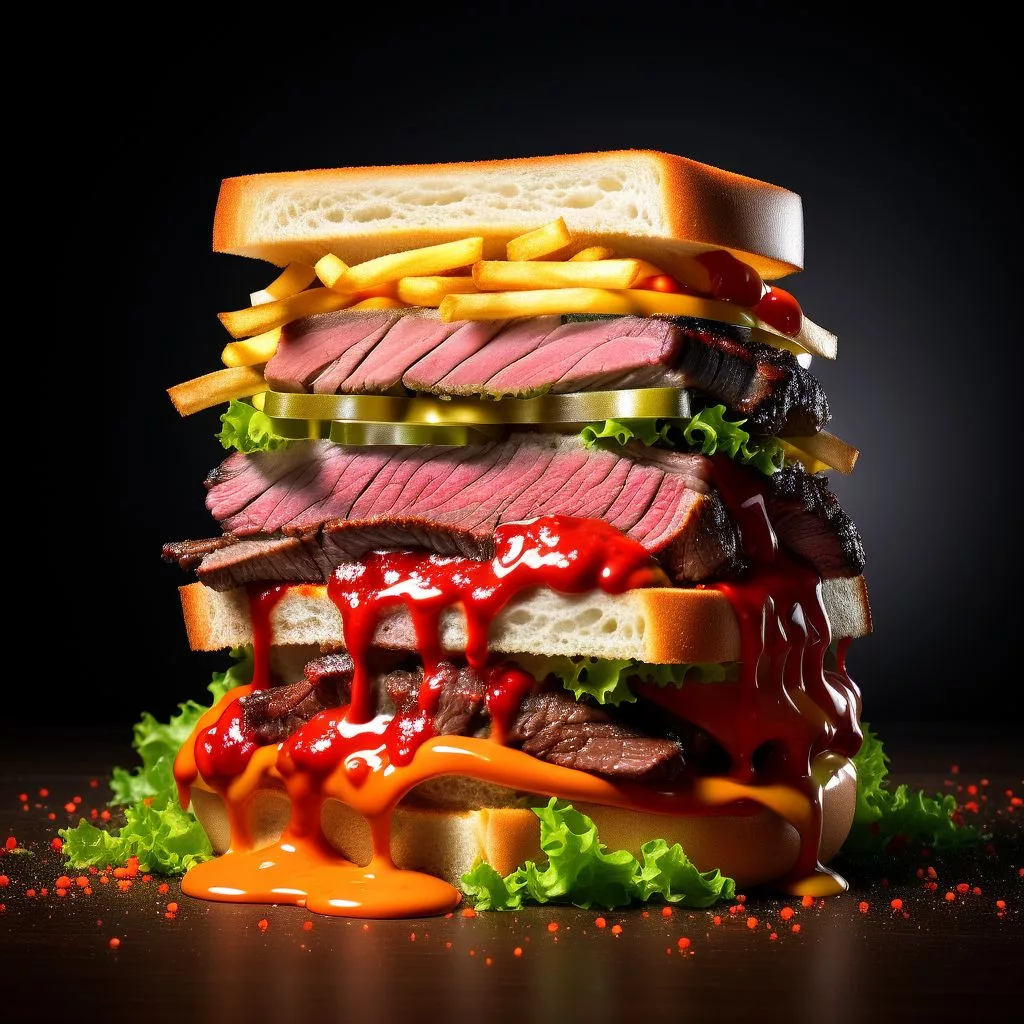
Shared meals and playful competition also reflect the inventive heart of the Cape Flats. Take the legendary gatsby: more than a meal, it’s a testament to community and resourcefulness. The gatsby—a massive roll crammed with fries, spicy steak, calamari, or polony, and doused in sauce—transcends mere nourishment. Friends huddle together, tearing into the sandwich atop a car bonnet, paper wrappers in place of plates. The ritual of sharing—insisting on the right type of bread, the correct way to cut and eat—rivals the ceremonial etiquette of the world’s most refined cuisines. To ignore these rules is to risk ridicule, or even social exile.
This culinary tradition grew from necessity. In a place where resources often ran thin, the gatsby symbolizes transformation—making plenty from little, turning scarcity into an opportunity for celebration. Every bite tells a story of adaptation and flair, where constraints become chances for creativity and joy.
Games, too, reveal the Cape Flats’ knack for turning the ordinary into something extraordinary. Playground classics like kennetjie transform a broken broomstick into the main prop of a lively contest. Drie blikkies, which requires little more than three old tins and a tennis ball, exemplifies how children invent fun from everyday objects. Card games like klawerjas, with roots reaching back to Dutch settlers, have become a social touchstone, eclipsing more familiar games in both passion and complexity. And dominoes—known affectionately as dumms—ignite fierce rivalries. The sound of a domino slammed on a table is more than a move; it’s a declaration, a performance, and sometimes a challenge.
Transmission, Belonging, and Authenticity
The customs, slang, and rituals of the Cape Flats spread not through formal instruction but by lived experience. Before the age of social media, children soaked up gham during school holidays, learning the latest turns of phrase from cousins or neighbors while adults sipped tea and shared stories in the kitchen. Gham seeps into daily life through these moments—passed along with laughter, games, and shared meals. As it travels from one suburb to another, it evolves, but always preserves its essence: a signifier of belonging and difference.
Learning gham is a gradual process, not something one can simply adopt. Outsiders who try to imitate its nuances often miss the mark, unable to capture the rhythm, attitude, or humor that give it life. The language’s authenticity stems from deep roots in local history and experience—something that cannot be manufactured or commodified for radio ads or stage shows. Gham is not a performance for tourists; it is the soundtrack of an insider’s world, a marker of those who carry the Cape Flats in their bones.
Commercial efforts to appropriate or repurpose gham often fall flat. Stripped of context or reduced to stereotypes, these attempts misunderstand its nature. For residents, gham serves as both shield and handshake—conveying status, camaraderie, and sometimes warning. Its magic lies in the interplay between speaker and listener, in the shared context and experience that outsiders cannot easily access. It’s a living emblem of resilience, creativity, and pride.
Artistic Expression and the Spirit of Resilience
Beyond words and games, gham infuses the artistic legacy of the Cape Flats. Visual artists turn the region’s walls into vibrant canvases, their murals telling stories of struggle, hope, and everyday triumph. Musicians, whether jazz icons or contemporary hip-hop voices, integrate gham into their lyrics, weaving the dialect into South Africa’s broader cultural fabric. Theatre troupes channel its bravado and humor, drawing on a collective memory that resonates with local audiences.
The daily realities of the Cape Flats—economic uncertainty, shifting social landscapes—demand adaptability and grit. Gham equips its speakers to navigate these challenges with humor, style, and quick thinking. Exchanges become a kind of game, where words act as armor and clever repartee can protect or unite. This improvisational spirit echoes in all aspects of Cape Flats life, from a domino match to family gatherings.
Even as scholars attempt to document and analyze gham, its true nature eludes full capture. Like jazz improvisation or street art, gham cannot be pinned down by definitions or preserved in academic footnotes. It survives in the dynamic flow of conversation, the shared laughter of a meal, the playful rivalry of a game. Wherever the people of the Cape Flats gather, the language continues to evolve—asserting their place as innovators, storytellers, and survivors.
Gham stands as both legacy and ongoing creation for the Cape Flats. It binds a community shaped by adversity, yet defined by creativity and humor. Through language, food, games, and art, the people of this region transform hardship into ingenuity and exclusion into pride. Every phrase, every gesture, every shared meal pulses with energy and meaning.
To witness gham in action is to glimpse the beating heart of the Cape Flats—not as a distant stereotype or historical footnote, but as a living epicenter of culture and humanity. In its rhythms, improvisations, and rituals, gham affirms the enduring vitality of a community, offering lessons in resilience and creativity to all who take the time to listen.
What is Gham and why is it important in the Cape Flats?
Gham is a vibrant dialect and cultural code unique to the Cape Flats, South Africa. It expresses the identity, resilience, and community spirit of its people through a blend of language, gestures, food, games, and art. More than just a way of speaking, Gham is a living tradition that connects people, celebrates creativity, and transforms hardship into pride and belonging, reflecting the true heart of the Cape Flats.
How did Gham develop historically?
Gham grew out of the history and struggles of the Cape Flats, particularly during apartheid when forced removals displaced many families to this area. It started as a survival mechanism and cultural anchor—a unique local response to marginalization. Over time, it evolved into a dynamic code of communication full of wit, improvisation, and performance, allowing residents to assert their presence and build community despite adversity.
What role do food and games play in Gham culture?
Food and games are central to Gham’s expression of community and creativity. The famous gatsby sandwich, a large roll stuffed with fries, meats, and sauces, is more than just food—it’s a communal ritual symbolizing resourcefulness and sharing. Traditional games like kennetjie, drie blikkies, klawerjas, and dominoes (dumms) transform everyday objects into tools of fun and social bonding, showcasing the ingenuity and spirit of Cape Flats residents.
How is Gham transmitted and preserved within the community?
Gham is passed down informally through lived experience rather than formal teaching. Children learn it during school holidays, family gatherings, and neighborhood interactions, absorbing its slang, gestures, and humor organically. Its authenticity is deeply tied to local history and shared experiences, making it difficult for outsiders to replicate genuinely. This transmission ensures Gham remains a powerful sign of belonging and cultural identity.
Can Gham be commercialized or appropriated?
Attempts to commercialize or appropriate Gham often miss its essence. When stripped of context or reduced to stereotypes in media or advertising, it loses the depth and authenticity that come from lived experience. For locals, Gham is a form of camaraderie and cultural resilience—not a commodity. It thrives in interaction and shared understanding, and its true meaning cannot be bought or performed for outsiders.
How does Gham influence artistic expression in the Cape Flats?
Gham enriches many forms of artistic expression, including visual art, music, and theatre. Murals across the Cape Flats vividly tell stories of struggle and hope infused with Gham’s spirit. Musicians blend it into lyrics, especially in jazz and hip-hop, connecting local culture to broader South African narratives. Theatre troupes use Gham’s humor and bravado to reflect community realities. These art forms embody Gham’s improvisational energy and resilience, keeping the culture alive and evolving.