Football coaching involves more than just game plans, as even small actions and words hold significant importance. The ongoing debate between Mamelodi Sundowns’ coach Rhulani Mokwena and SuperSport United’s Gavin Hunt highlights the balance between pragmatic coaching and emotional bonding with players. This clash of coaching styles sheds light on different philosophies within football coaching and the delicate balance between maintaining professional boundaries and nurturing a supportive atmosphere for athletes. Ultimately, this debate adds another layer of fascination to an already gripping season.
What is the dual coaching approach in football?
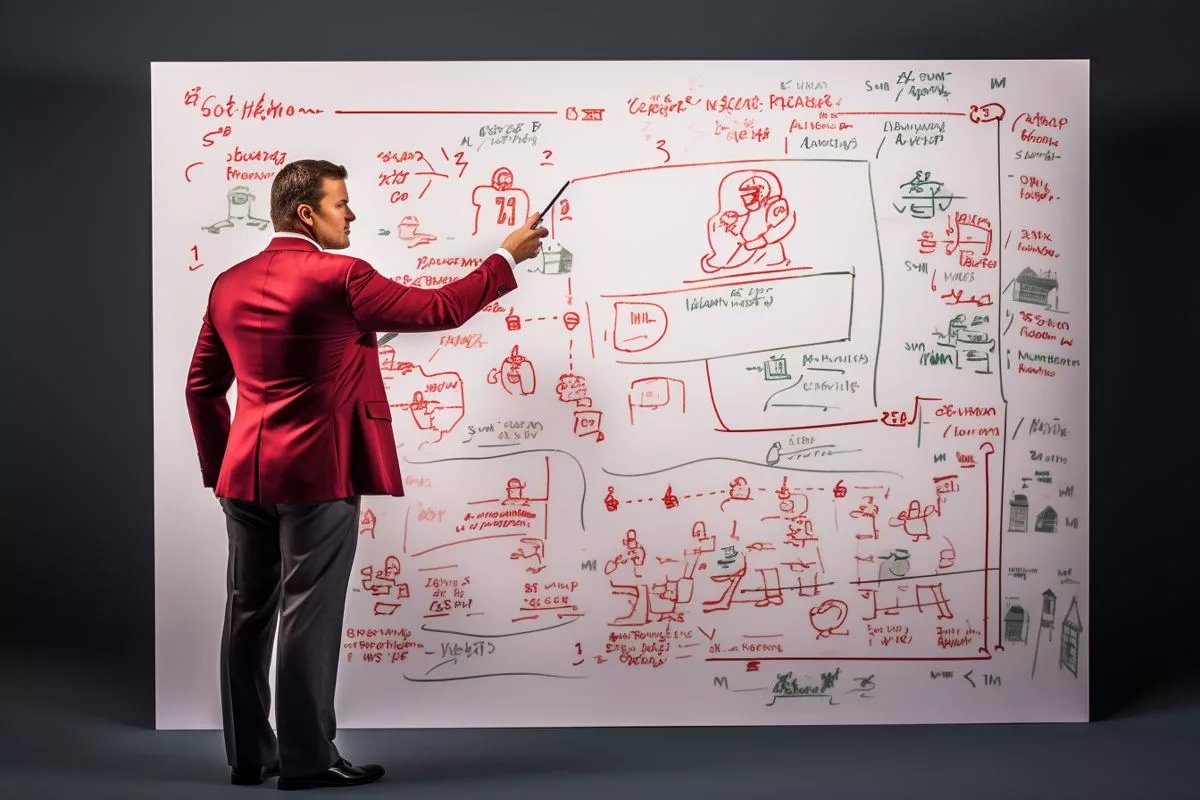
Football coaching involves more than just strategies and game plans. It also involves psychology, where even small actions and words have significant importance. The dual coaching approach refers to the balance between pragmatic coaching and emotional bonding with players. Coaches like Gavin Hunt prefer straightforward coaching, while others like Rhulani Mokwena prioritize emotional bonding with players. The debate sheds light on different philosophies within football coaching and the delicate balance between maintaining professional boundaries and nurturing a supportive atmosphere for athletes.
Football Coaching: More than Just Tactics and Gameplans
In the intensely rivalrous world of football, the craft of coaching often transcends beyond strategies, formations, and match plans. It plunges into the sphere of psychology, where every word and action bears substantial importance. A clear demonstration of this is the ongoing conversation and ensuing controversy stirred by Mamelodi Sundowns’ coach Rhulani Mokwena and SuperSport United’s Gavin Hunt.
In a setting brimming with adrenaline and fervor, Mokwena humorously ridiculed Hunt’s disapproval of coaches who comfort their players after a loss. This comical incident took place following Sundowns’ slim 1-0 victory over AmaZulu in a thrilling DStv Premiership game on December 6th, 2023. The venue for this was a post-match conversation with SuperSport Television.
The initiation of this dialogue can be traced back to Hunt, who lambasted unnamed coaches for what he believed to be disingenuous displays of compassion towards their players after a defeat. During a conversation with Peter Du Toit on “This Is Football Africa,” Hunt queried, “Are they consoling their players when they lose? I see that guy; Sir Alex Ferguson never consoled his players.” His remarks showed a distaste for what he sees as feigned empathy.
A Clash of Coaching Styles
Even though Hunt abstained from mentioning the coaches he was criticizing, his statement echoed throughout the football world. His denunciation directed at anonymous coaches unintentionally sparked a storm of conjecture. Intriguingly, Mokwena, who seemed amused by this, chose to respond indirectly during his post-match conversation.
The trigger for this reply was a throwaway comment by a SuperSport Television anchor who observed that the Sundowns coach had given player Themba Zwane a congratulatory hug. The anchor’s casual remark induced laughter from Mokwena, who wittily retorted, “Did you just mention that I hugged Themba Zwane? I thought I wasn’t supposed to hug players.”
Mokwena’s sarcastic retort emphasizes the friction between the pragmatic facets of coaching and the emotional dynamics involved. It also portrays the divergent methods coaches employ in expressing empathy and inspiring their players. Hunt personifies the traditional, straightforward style, reminiscent of iconic coach Sir Alex Ferguson, while Mokwena symbolizes a more contemporary approach that esteems emotional bonding with players.
The Impact on Field and Beyond
The context to this debate was Sundowns’ victory at the King Zwelithini Stadium, which cemented their lead in the DStv Premiership. The win, propelled by Lucas Ribeiro Costa’s lone goal, elevated their remarkable score to an unblemished 30 points from 10 games. In contrast, the defeated AmaZulu found themselves in the 12th position, amassing a total of 15 points from 12 matches.
The discourse circling the handshake controversy sheds intriguing light on the different philosophies within football coaching. It further unravels the delicate equilibrium between maintaining professional boundaries and nurturing a supportive atmosphere for the athletes.
The Story Continues
As we maintain our vigilance over the unfolding DStv Premiership, it’s apparent that the storyline stretches way beyond the field. It ventures into the domain of coaching styles, philosophy, and motivational strategies. It pledges to infuse another layer of fascination into an already gripping season where mental strategies and tactics are as pivotal as the on-field performance.
1. What is the dual coaching approach in football?
The dual coaching approach in football refers to the balance between pragmatic coaching and emotional bonding with players. It involves not only game plans and strategies but also psychological elements, where small actions and words hold significant importance.
2. What is the ongoing debate between Rhulani Mokwena and Gavin Hunt?
The ongoing debate between Rhulani Mokwena and Gavin Hunt involves the balance between pragmatic coaching and emotional bonding with players. The debate sheds light on different philosophies within football coaching and the delicate balance between maintaining professional boundaries and nurturing a supportive atmosphere for athletes.
3. Why did Gavin Hunt criticize unnamed coaches for consoling their players after a defeat?
Gavin Hunt criticized unnamed coaches for consoling their players after a defeat because he believes that it is disingenuous and feigned empathy.
4. How did Rhulani Mokwena respond to Gavin Hunt’s criticism indirectly?
Rhulani Mokwena responded to Gavin Hunt’s criticism indirectly during his post-match conversation by wittily retorting, “Did you just mention that I hugged Themba Zwane? I thought I wasn’t supposed to hug players.”
5. What does the debate between Rhulani Mokwena and Gavin Hunt shed light on?
The debate between Rhulani Mokwena and Gavin Hunt sheds light on the different philosophies within football coaching. It highlights the delicate balance between maintaining professional boundaries and nurturing a supportive atmosphere for athletes.
6. What is the impact of the debate on field and beyond?
The impact of the debate on field and beyond sheds intriguing light on the different philosophies within football coaching. It further unravels the delicate equilibrium between maintaining professional boundaries and nurturing a supportive atmosphere for the athletes.