Hypertension, also known as high blood pressure, is a dangerous condition that has been labeled as the “silent killer” due to its absence of visible symptoms. It is becoming an alarming trend in the City, with nearly half of the diagnosed patients being under the age of 45. This emerging pattern challenges the conventional belief that hypertension mostly affects older individuals. However, with appropriate measures, this condition is entirely manageable.
The Prevalence of Hypertension in the City
Between April 2022 to March 2023, 190,295 clients were screened for hypertension in City clinics, with 3,942 new cases detected. Surprisingly, 49% (1,932) of these cases were people aged between 18 to 44 years. The occurrence of risk factors such as smoking and obesity has contributed to the consistent high number of young adults diagnosed with hypertension. These statistics underscore the importance of health ownership and awareness for all age groups.
City Health Prioritizes the Younger Population
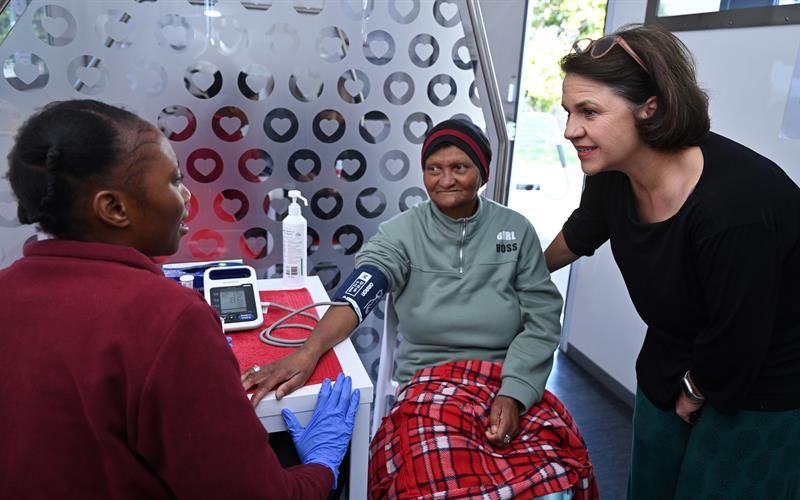
City Health has recognized the growing issue of hypertension and prioritized individuals under the age of 40 who are at risk. Mayoral Committee Member for Community Services and Health, Councillor Patricia Van der Ross, emphasized the importance of regular blood pressure checks, stating, “It takes two minutes to check someone’s blood pressure – two minutes that could mean the difference between life and death.”
The Consequences of Hypertension
Hypertension is characterized by a consistent blood pressure reading of 140/90 or higher. If untreated for extended periods, it can cause significant harm to blood vessels, the heart, brain, and kidneys. It is the leading cause of death globally, responsible for over 28,000 fatalities daily. The potential consequences of hypertension could lead to severe complications such as heart attack, stroke, and kidney disease. It could also negatively impact a person’s quality of life by increasing the need for regular medical care and medication, while also putting additional strain on healthcare systems.
Taking Control of Hypertension
Chairperson of the City’s Portfolio Committee on Community Services and Health, Councillor Ronel Viljoen, urged individuals at risk to undergo screening and adopt a healthier lifestyle. “A healthy lifestyle, together with appropriate medication, can prevent complications and put you in control,” she said.
To reduce the risk of hypertension or manage the condition effectively, individuals should:
- Engage in at least 30 minutes of physical activity daily
- Maintain a healthy weight
- Limit salt intake to less than 5g daily
- Abstain from smoking or using tobacco
- Reduce alcohol consumption
- Consume a balanced diet low in unhealthy fats
Community-Wide Efforts in Raising Awareness
Apart from personal lifestyle changes, community-wide efforts are required to raise awareness about hypertension and its possible complications. Public health campaigns, screenings, and educational programs can be effective means to increase awareness of the condition and encourage individuals to take appropriate actions to protect their health.
The rising prevalence of hypertension among the City’s younger population demands attention, proactive measures, and a call for action. By increasing awareness, emphasizing the importance of regular screening, and promoting healthier lifestyles, we can work together to reduce the impact of this silent killer and improve overall public health.