Ten years ago, on February 24, 2013, the Peace, Security and Cooperation (PSC) Framework for the Democratic Republic of Congo (DRC) and the Great Lakes Region was signed, with the aim of bringing peace, security, stability, and development to the region. However, a decade later, the situation remains far from the goals the Framework set out to achieve.
Ongoing Conflict and Violence in the Eastern DRC
The eastern DRC is still plagued by conflict and violence committed by both Congolese and foreign armed groups. The resurgence of the M23, a thought-to-be-dismantled armed group, has led to a growing concern. In the past year alone, the conflict has resulted in gross violations of human rights, leading to a humanitarian catastrophe with over 800,000 people displaced.
Assessing the Successes and Ongoing Challenges of the PSC Framework
The tenth anniversary of the PSC Framework presents an opportunity to evaluate its successes and challenges. South African President Cyril Ramaphosa urges all parties to demonstrate political will and reaffirm their commitment to the Framework’s successful implementation.
Ramaphosa highlights several areas of focus, including addressing the root causes of conflict, combating illegal exploitation of resources, and investing in border management and good governance. He stresses the need for increased cooperation between regional forces and MONUSCO.
Harmonizing Efforts to Address the Situation in the DRC and the Region
To harmonize various initiatives aimed at addressing the situation in the DRC and the region, Ramaphosa calls for the PSC Framework to be the focal point of all efforts. He commends facilitation efforts undertaken by the African Union, ICGLR Chair, and EAC Regional Force. These efforts include the Nairobi Process and the Luanda Roadmap, which have made progress in fostering peace and stability.
Renewed Commitment to Achieving Peace and Security
As the PSC Framework enters its second decade, there is a renewed sense of urgency to bring about meaningful change in the DRC and the Great Lakes Region. Efforts should be made to address humanitarian needs, restore state authority and provide essential services. Strengthening the DRC’s justice system and supporting the ongoing process of decentralization should also be prioritized.
The Role of Regional and International Actors
The importance of regional and international actors in supporting the DRC’s efforts to achieve peace and security should not be underestimated. The African Union, ICGLR, and EAC, as well as the United Nations, European Union, and other partners, can provide valuable support in capacity-building, technical assistance, and financial resources.
Dialogue and Reconciliation
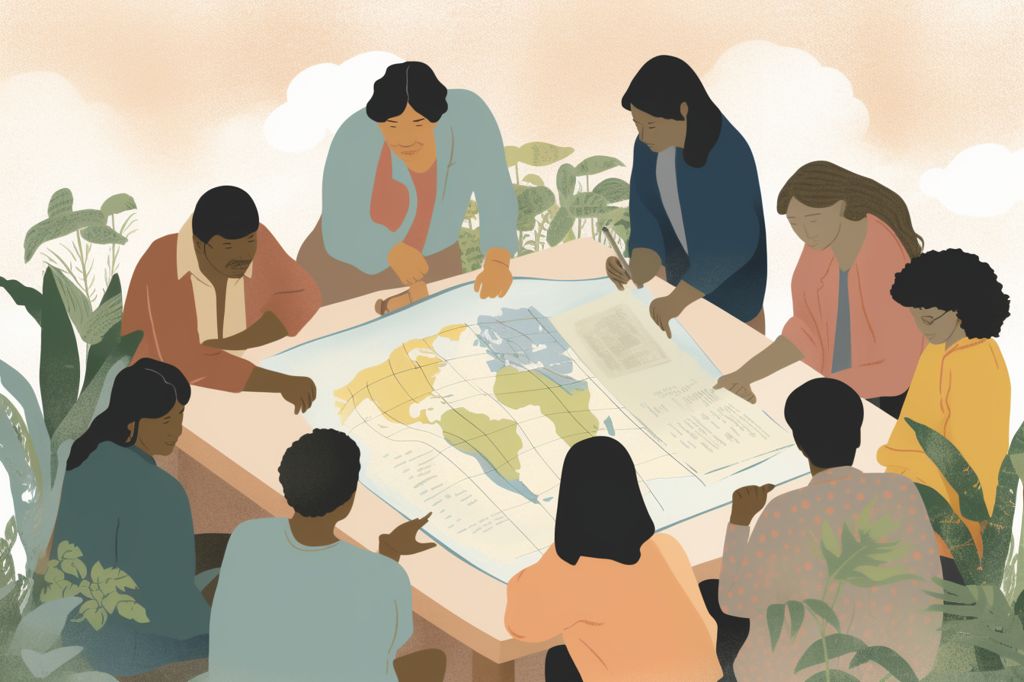
Inclusive dialogue and reconciliation should be prioritized, involving governments, civil society, religious leaders, and traditional authorities. This can help foster a shared vision and commitment to peace, security, and development in the DRC and the Great Lakes Region.
The achievement of peace and security in the DRC and the Great Lakes Region remains a complex and multifaceted challenge. However, with the renewed commitment of all stakeholders, a focus on addressing root causes and promoting good governance, and the support of regional and international actors, the goals set forth in the PSC Framework can still be realized.