
Naturalized citizens are facing tough times trying to get the 2025 SA Smart ID Card. They struggle with slow computer systems, hard-to-reach old ID booklets, and long waits at home affairs offices. Many feel left out and frustrated as they are turned away without help. Although there’s hope for better technology and new features in the ID cards, the process is still a long and rocky road for those seeking to feel truly at home in South Africa.
What are the struggles faced by naturalized citizens in obtaining the 2025 SA Smart ID Card?
Naturalized citizens encounter significant challenges when applying for the 2025 SA Smart ID Card, including severe IT constraints that complicate the process, limited accessibility to old ID booklets, and bureaucratic delays at DHA offices. These issues exacerbate feelings of exclusion and frustration.
Overview of the Current Situation
The Department of Home Affairs (DHA) has been facing significant challenges in processing 2025 SA smart ID card applications for naturalized citizens and permanent residents. This issue has been a topic of widespread concern, highlighted by numerous messages and complaints from the public. Unlike South Africans born in the country, naturalized citizens often encounter unique hurdles with the authorities. Addressing this, Home Affairs Minister Dr. Leon Schreiber has recently spoken about the ‘technical constraints’ that hinder non-SA-born applicants from obtaining these smart ID cards, as reported by BusinessTech. Schreiber’s acknowledgment of the problem is a significant step, as it brings to light the distress caused to these applicants.
Despite ongoing discussions by the department and President Ramaphosa about fully digitizing 2025 SA smart ID card applications, these advancements still predominantly benefit South African citizens. Naturalized citizens and permanent residents frequently report being turned away at DHA branches, adding to their sense of frustration and exclusion. Additionally, the old ‘green mamba’ ID booklets are only available at select, often remote, locations, further complicating the process for those affected.
Technical Constraints and Their Impact
Dr. Leon Schreiber has openly discussed the reasons behind the persistent issues. According to him, severe IT constraints are a significant barrier to processing 2025 SA smart ID card applications. “Since assuming office, I have sped-up the work to enable all qualifying persons to obtain smart ID cards. However, severe IT constraints have emerged as a major obstacle in this regard,” stated Schreiber. This candid admission highlights a systemic problem that extends beyond mere administrative inefficiencies and points to longstanding infrastructural issues.
For naturalized citizens and permanent residents, the application process for smart ID cards is not just an upgrade; it’s an arduous journey. Due to technological shortcomings, their information must be manually updated, making the procedure both time-consuming and error-prone. This manual process starkly contrasts with the government’s ambition of a fully digital application system by 2025. The irony is not lost on those who have been turned away from DHA branches, feeling marginalized in the country they now call home.
The ‘green mamba’ booklets, although nostalgic for some, are becoming relics of a past era that South Africa is eager to leave behind. These old ID booklets are now issued only at selected locations, which are often difficult to reach, adding another layer of inconvenience for those in need. The digital divide here isn’t just about technology; it’s about accessibility, equity, and dignity.
Public Frustration and Hope
Public frustration over the delays and complications in obtaining smart ID cards is palpable, especially on social media platforms. In various online communities, affected individuals share their grievances and seek advice. For example, one naturalized citizen lamented on a Facebook group, “I’ve been to the DHA office four times this month. Every time, I’m told to come back later because their system is down. It’s like they don’t want us to have these IDs.” Such stories add a human dimension to the technical explanations provided by the DHA, painting a clearer picture of the bureaucratic delays’ human cost.
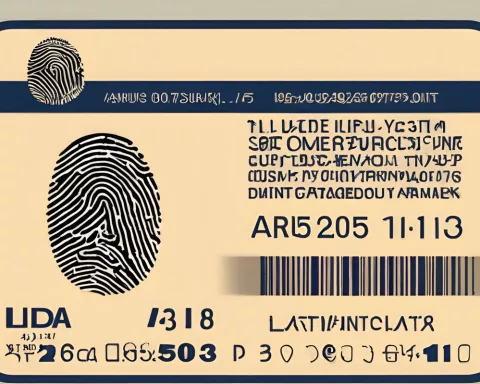
Despite the frustrations, there is a glimmer of hope. The DHA has initiated a campaign to promote the benefits of the 2025 smart ID cards, emphasizing their advanced biometric features, such as facial recognition and fingerprint authentication. These technological advancements promise to mitigate the risks of identity theft, a persistent issue in the handling and processing of ID documents. The new cards also feature a chip-storage facility for the holder’s data, laser-engraved to prevent tampering, thereby modernizing the issuance process and eliminating human vulnerabilities.
The Road Ahead
While the department’s goals are ambitious, the path forward remains challenging. Over the past decade, only 26 million smart ID cards have been issued, falling short of the government’s 38 million target. As the 2025 deadline approaches, the pressure mounts, not just on the DHA but on every individual waiting in those long queues, hoping their turn will come sooner rather than later.
The journey to obtain a smart ID card can be likened to the existential struggles depicted in Franz Kafka’s “The Trial,” where navigating an impersonal system becomes a labyrinthine quest for identity and recognition. This struggle also recalls the Dadaist movement’s rebellion against early 20th-century norms and structures, a poignant reminder that systems, whether governmental or artistic, must evolve to remain relevant and just.
In conclusion, the smart ID card represents more than just a piece of plastic; it signifies belonging, security, and modernity. For naturalized citizens and permanent residents, it is a tangible affirmation of their place in the socio-political fabric of South Africa. While the journey to obtain it is fraught with challenges, the destination promises a more inclusive and secure future for all.
“`markdown
What challenges do naturalized citizens face when applying for the 2025 SA Smart ID Card?
Naturalized citizens face significant hurdles including slow computer systems, difficulty accessing old ID booklets, and long wait times at Department of Home Affairs (DHA) offices. This leads to feelings of frustration and exclusion as many are often turned away without assistance.
Why is the application process for the 2025 SA Smart ID Card particularly difficult for naturalized citizens?
Naturalized citizens encounter unique challenges due to severe IT constraints and bureaucratic inefficiencies at the DHA. Their applications often require manual updates, which are time-consuming and prone to errors, contrasting with the government’s goal of a fully digitized system by 2025.
What is the government’s stance on the challenges faced in the application process?
Minister of Home Affairs, Dr. Leon Schreiber, has acknowledged the technical constraints hindering the processing of smart ID card applications for non-SA-born citizens. He has indicated that efforts are underway to expedite the issuance of smart ID cards, although significant issues remain.
How are old ID booklets affecting the application process?
The old ‘green mamba’ ID booklets are available only at select and often hard-to-reach locations, complicating the process for naturalized citizens. As these booklets become outdated, they pose additional accessibility challenges for those trying to obtain their smart ID cards.
Are there any technological advancements planned for the 2025 SA Smart ID Cards?
Yes, the new smart ID cards will feature advanced biometric capabilities, such as facial recognition and fingerprint authentication, designed to enhance security and prevent identity theft. These improvements are part of a broader initiative to modernize the ID issuance process.
What does the future look like for naturalized citizens seeking smart ID cards?
While the DHA aims to issue millions of smart ID cards by the 2025 target, challenges remain. The journey to obtain these cards is difficult but represents a critical step toward belonging and security for naturalized citizens. The hope for a more inclusive future hinges on overcoming these systemic obstacles.
“`