South African humour is rich and colorful, mixing many languages and cultures into lively jokes and stories. It helps people connect, stay strong, and even fight back against tough times. From busy city cafés to quiet townships, laughter is everywhere—lightening heavy hearts and bringing people together. Famous comedians like Trevor Noah show how humour can turn pain into hope, while everyday jokes keep communities close. This unique blend of playfulness and resilience makes South African humour a powerful and joyful part of life.
What makes South African humour unique and significant?
South African humour is diverse, blending eleven languages and cultural traditions. It serves as a coping mechanism, a social bond, and a form of resistance. Key styles include affiliative, self-enhancing, aggressive, and self-defeating humour, reflecting resilience and unity across communities.
Everyday Laughter: The Pulse of South African Life
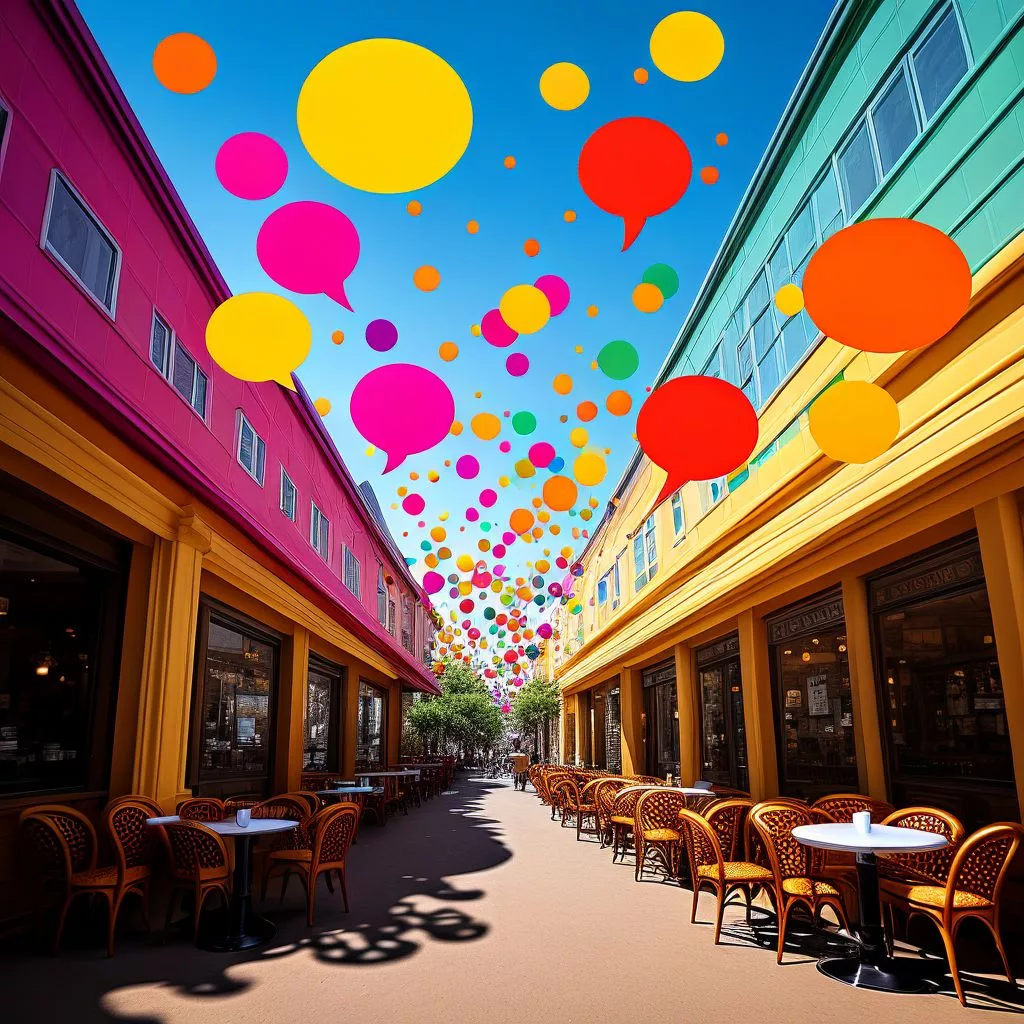
In the lively heart of Johannesburg, cafés buzz with energy as laughter spills across tables and into the city streets. Patrons converse in a colorful medley of languages—English, Afrikaans, isiZulu, Xhosa—reflecting a nation where linguistic diversity and humour intertwine seamlessly. Whether shared over a morning coffee or whispered between friends during a late-night commute, jokes and witty remarks form the fabric of daily interaction. South Africans, known for their resilience and adaptability, use humour not just for entertainment, but as a vital coping mechanism in a country where history has often swung between extremes.
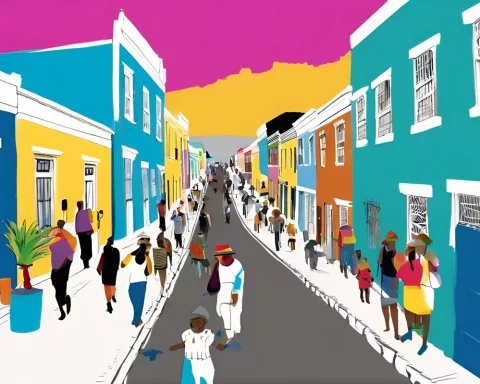
Walking through the marketplaces of Durban or the townships of Cape Town, one senses that laughter is not reserved for special occasions. Vendors banter with customers, poking fun at weather or politics. Taxi drivers defuse tense traffic with well-timed quips. Even in the workplace, playful exchanges break up the monotony, bridging gaps between colleagues from vastly different backgrounds. In these ordinary moments, humour serves as both a release valve for stress and a thread that weaves together the nation’s complex social tapestry.
This cultural inclination toward laughter has not escaped the attention of international researchers. A recent survey conducted by the global financial platform Remitly spotlighted South Africa as a leading nation of wit. The study, which analyzed responses from over 6,000 individuals across 31 countries, placed South Africa nineteenth in the world for sense of humour—outperforming comedic heavyweights such as Sweden, Norway, and even the United States. But these rankings only hint at the deeper roots and varied expressions of South African comedy.
Understanding Humour: Styles and Social Functions
The Remitly survey drew on the Humour Styles Questionnaire, a psychological framework developed by Dr. Rod Martin. This tool identifies four distinct approaches to humour: affiliative, self-enhancing, aggressive, and self-defeating. Each style plays a unique role in social interaction. Affiliative humour, for example, breaks the ice among strangers and cements group bonds through shared laughter. This is the warmth behind a neighbour’s open joke or a spontaneous punchline that unites a table for a moment.
Self-enhancing humour, on the other hand, helps individuals maintain optimism during adversity. In a country where recent history includes both the pain of apartheid and the challenges of nation-building, this form of humour remains especially potent. South Africans have long learned to lighten heavy moments with a well-placed jest, transforming despair into hope, and uncertainty into solidarity. Aggressive humour cuts sharper, skewering authority figures or poking fun at social taboos—an echo of the satirical theatre and protest art that flourished during political struggles.
Perhaps most distinctively, self-defeating humour finds South Africans making themselves the butt of their own jokes. This technique, rooted in humility, not only deflects envy but also fosters group acceptance. It is common at family gatherings, where relatives tease each other affectionately, or in schoolyards, where children learn to laugh at their own foibles. Across generations, humour in South Africa operates as a kind of social currency—traded, adapted, and continually renewed.
Humour in History: Resistance and Storytelling
The country’s comedic tradition draws influence from an array of historical sources. Indigenous storytelling, passed down through oral traditions among groups like the Khoisan, Zulu, and Xhosa, features cunning tricksters and playful wordplay. These tales served both as entertainment and moral instruction, teaching listeners how to navigate life’s challenges with creativity and wit. Under colonial rule, South Africans adapted their humour, layering it with subtle satire that could fly under the radar of censors and authorities.
During the apartheid years, laughter became both shield and sword. In the crowded homes and communal spaces of Soweto, neighbours swapped stories that lampooned officialdom and mocked the absurdities of racial segregation. Dark, irreverent jokes eased the burdens of daily life. “If you didn’t laugh, you cried,” says Thandi, a retired teacher from Cape Town, recalling how laughter helped families endure curfews and shortages. In this context, comedy became a quiet act of defiance—a way to reassert dignity and agency in the face of oppression.
Writers and performers have long drawn inspiration from global artistic movements. Parallels can be found with the satire of French playwright Molière or the slapstick of commedia dell’arte. South African authors and dramatists wove biting humour into their works, echoing the experimental bravado of the Dadaists and the existential irreverence of the Absurdists. Satirical poems and plays, performed in both urban theatres and rural halls, critiqued social norms while entertaining audiences hungry for both laughter and change.
Modern Comedy: From Stand-Up to Social Media
Today, South African humour thrives in new forms, reaching ever-wider audiences. The stand-up comedy scene in cities like Durban and Johannesburg has exploded in recent decades, drawing influence from American late-night shows, British sketch comedy, and local oral storytelling. Comedians riff on everything from politics to everyday frustrations, holding up a mirror to society’s quirks and contradictions. Trevor Noah, perhaps the nation’s best-known comedic export, epitomizes this blend. His routines weave together personal anecdotes from apartheid-era Soweto and wry observations on global culture, offering insight that resonates far beyond his homeland.
Noah’s memoir, “Born a Crime,” brims with stories that balance the absurd and the poignant—demonstrating how humour helps South Africans process trauma and navigate ambiguity. He once remarked, “Comedy is the way we process pain. It’s how we make sense of chaos.” His international success has inspired a new generation of performers who use laughter to interrogate identity, challenge injustice, and celebrate resilience.
Beyond the stage, digital media amplifies the reach of South African wit. Memes, viral videos, and social commentary spread rapidly—especially in moments of crisis. During the COVID-19 pandemic, jokes about lockdowns, government regulations, and daily mishaps proliferated across WhatsApp groups and Twitter feeds. Medical workers shared humorous anecdotes to stave off fatigue, while families used laughter to maintain morale through months of isolation. In these digital spaces, humour continues its age-old function: binding communities, soothing stress, and sparking much-needed joy.
The Remitly survey’s findings underscore what South Africans have long understood intuitively. In a country defined by diversity, humour bridges divides—be they linguistic, cultural, or economic. With eleven official languages and a dizzying array of identities, the ability to laugh across boundaries has become not just a survival skill, but a shared inheritance. Visitors and newcomers often find that learning the local sense of humour opens doors to genuine connection, offering a foothold in communities that prize quick wit and generous laughter.
International Perspectives: South Africa on the World Stage
Cross-cultural comparisons further highlight the uniqueness of South African comedy. According to the same Remitly study, the Czech Republic claims the top spot for sense of humour, leaning heavily on irony and dry wit honed during eras of political upheaval. Portugal’s gentle, lighthearted jokes earn it second place, while Ireland’s blend of whimsy and melancholy secures third. Belgium, Chile, and Greece each bring their own comedic specialities to the table—proving that while humour is universal, its expression remains delightfully local.
South Africa’s placement above the United Kingdom and ahead of the United States signals an understated but powerful comedic tradition. While British humour often emphasizes irony and understatement, and American comedy leans toward self-reinvention, South African jokes embrace the full spectrum—from the playful to the provocative, the communal to the self-effacing. This flexibility reflects the nation’s historical journey and the ongoing project of forging unity from diversity.
Ryan Riley, a senior executive at Remitly, notes that a country’s humour often serves as a passport for newcomers. “Understanding the jokes is the quickest way in,” he explains. “It’s an invitation to join the group.” For South Africa’s expanding community of expatriates, remote workers, and digital nomads, this insight proves invaluable—offering a path to friendship and belonging in a place where laughter remains a vital part of daily life.
As South Africans continue to adapt and innovate, their humour evolves, blending old traditions with new influences. In every province and city, from Cape Town’s beaches to the rolling hills of KwaZulu-Natal, laughter echoes. It carries the memory of folktales, the bite of satire, and the restless optimism of a nation always moving forward. The world may have only recently recognized South Africa’s comedic prowess, but within its borders, the art of laughter has long served as a source of strength, identity, and hope.
What makes South African humour unique and significant?
South African humour is unique because it blends eleven official languages and a wide range of cultural traditions, creating a rich, multifaceted comedic style. It serves not just as entertainment, but also as a coping mechanism during difficult times, a social bond that unites diverse communities, and a form of resistance against oppression. This humour encompasses various styles, including affiliative (bringing people together), self-enhancing (maintaining optimism), aggressive (satirizing authority), and self-defeating (using humility to foster acceptance), reflecting resilience and unity across the nation.
How does humour play a role in everyday South African life?
Humour is woven into the fabric of daily interactions in South Africa—from bustling city cafés to township markets. It helps lighten heavy moments, ease social tensions, and build connections among people from different backgrounds. Taxi drivers use witty remarks to diffuse stress, vendors engage in playful banter with customers, and colleagues share jokes to break work monotony. This daily laughter acts as a vital release valve for stress and strengthens social ties in a culturally diverse society.
In what ways has South African humour been a tool for resistance and storytelling throughout history?
South African humour has deep roots in indigenous oral traditions featuring tricksters and playful narratives that combine entertainment with moral lessons. Under colonialism and apartheid, humour became a subtle form of protest and a survival strategy. People told satirical stories and dark jokes to mock oppressive authorities and cope with harsh realities. This tradition of using comedy as both shield and sword helped maintain dignity and foster solidarity during times of political and social upheaval.
How do different humour styles manifest in South African comedy?
South African comedy incorporates four main humour styles identified by the Humour Styles Questionnaire:
- Affiliative humour: Creates bonds and breaks the ice with inclusive jokes.
- Self-enhancing humour: Maintains optimism during adversity by finding light in dark situations.
- Aggressive humour: Challenges authority and social taboos through sharp satire.
- Self-defeating humour: Involves making oneself the subject of jokes to promote humility and group acceptance.
These styles reflect the country’s complex social dynamics and help communities navigate challenges with laughter.
What role do modern platforms and comedians play in South African humour today?
Today, South African humour thrives on stage and online. Stand-up comedy scenes in Johannesburg and Durban blend local storytelling with global influences. Trevor Noah, the world-renowned comedian, exemplifies this by weaving personal history and social commentary into his acts, turning pain into hope. Digital media—memes, viral videos, and social commentary shared on platforms like WhatsApp and Twitter—amplify South African wit, especially during crises such as the COVID-19 pandemic. These new channels help humour continue its traditional role in connecting people and easing stress.
How is South African humour perceived internationally compared to other countries?
Internationally, South Africa ranks impressively high for its sense of humour—placing nineteenth in a Remitly survey that included 31 countries, ahead of comedic powerhouses like the United States and the United Kingdom. While countries like the Czech Republic and Ireland have distinctive comedic styles (irony and whimsy, respectively), South African humour is praised for its flexibility, ranging from playful and communal to provocative and self-effacing. This versatility mirrors the nation’s diverse cultural landscape and its ongoing efforts to build unity through shared laughter.