The Swift Recovery of a Stolen Electrical Transformer: A Tale of Teamwork and Vigilance

1 min read
teamwork crime intelligence

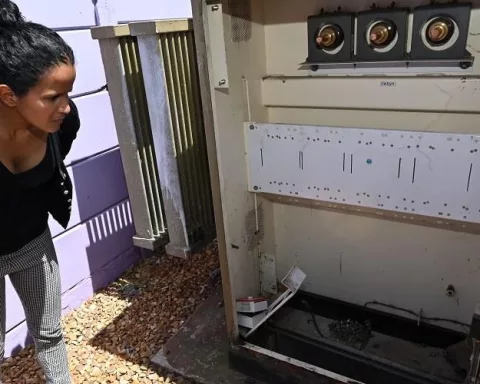
In a recent incident, a valuable electrical transformer worth approximately R600,000 was stolen by thieves who intended to extract the valuable copper components. However, the City of Cape Town’s Metal Theft Unit, the Swartland municipality, and the general public worked together in a remarkable display of teamwork and vigilance to recover the stolen property.

The Recovery Process

Upon receiving a tip-off about the location of the stolen transformer, the Metal Theft Unit collaborated with their counterparts in the Swartland municipality, and they soon zeroed in on a store building nestled in a farm. As the team of officers approached the premises, a male suspect was spotted attempting to escape, but he was quickly caught and apprehended.

Newsletter

Stay Informed • Cape Town

Get breaking news, events, and local stories delivered to your inbox daily. All the news that matters in under 5 minutes.

Join 10,000+ readers
No spam, unsubscribe anytime

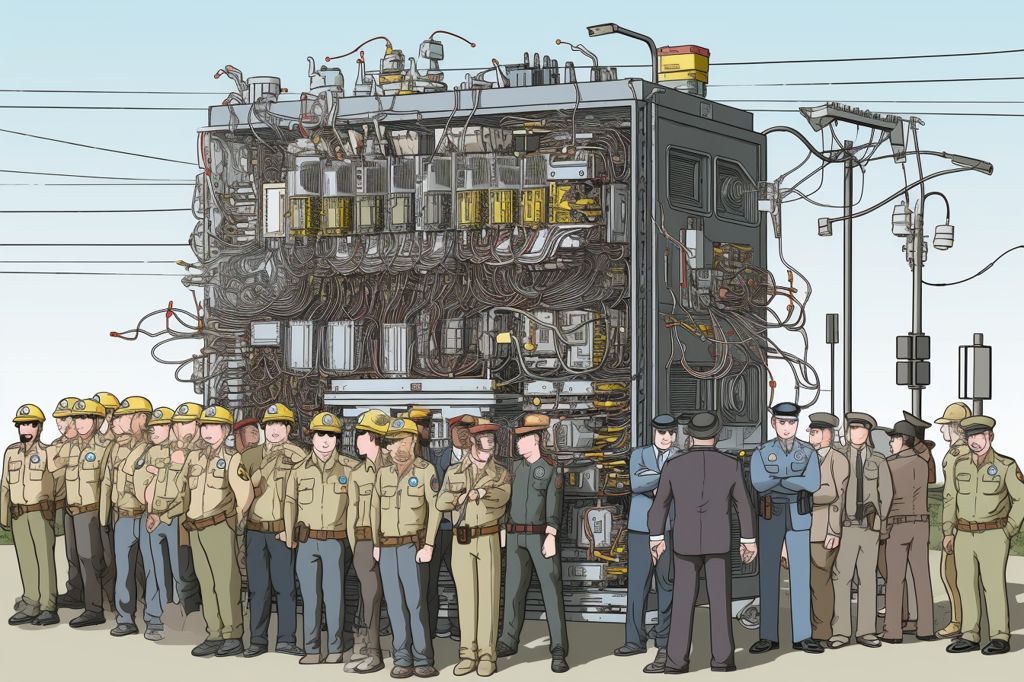
On entering the building, the authorities discovered a second suspect hiding amidst an assortment of machines. The search led them to the disassembled frame of the high-voltage electrical transformer, which weighed a staggering 3,000 kilograms. By this point, 210 liters of the transformer oil had been drained into plastic drums, while the remaining components and switchgear had already been dismantled and readied for sale.

The Role of the Public

Alderman JP Smith, Cape Town’s Mayoral Committee Member for Safety and Security, expressed immense pride in the swift action displayed by the members of the City’s Metal Theft Unit, as well as the LEAP members and the Metro Gang and Drug Task Team. Remarkably, Smith acknowledged the pivotal role played by the general public, who provided crucial information that led to the arrest of the suspects.

The Importance of Crime Intelligence

In emphasizing the importance of crime intelligence within crime-fighting organizations, Smith drew inspiration from Sun Tzu’s teachings. He highlighted the need to protect and respect spies during times of battle, noting that while the City’s authorities do not command an army of soldiers, they are engaged in an unending battle against crime.

The Significance of Cooperation

The successful recovery of the stolen electrical transformer underscores the significance of cooperation, not only among various law enforcement agencies but also with the public. By fostering an atmosphere of trust and unity, the City of Cape Town has demonstrated its commitment to safeguarding its inhabitants and their resources.

The Importance of Vigilance

This incident also serves as a timely reminder that vigilance is of utmost importance in the fight against crime. As the world becomes increasingly interconnected, authorities must remain alert and responsive, adapting to new and evolving threats. It is through the collective efforts of both law enforcement and the public that we can hope to maintain the safety and security of our communities.

Through the swift action and cooperation of law enforcement agencies and the public, the stolen electrical transformer was successfully recovered, highlighting the importance of teamwork, crime intelligence, cooperation, and vigilance in the fight against crime.

Isabella Schmidt is a Cape Town journalist who chronicles the city’s evolving food culture, from Bo-Kaap spice merchants to Khayelitsha microbreweries. Raised hiking the trails that link Table Mountain to the Cape Flats, she brings the flavours and voices of her hometown to global readers with equal parts rigour and heart.

Leave a Reply

Your email address will not be published.

Previous Story

The Red Cross War Memorial Children’s Hospital: A Ray of Hope Amidst Child Abuse and Neglect

Next Story

Nigeria’s Megacity Lagos Faces Fuel Price Surge and the Impact on Daily Life

Latest from Blog

Cape Town’s “Red Wedge”: How a 900-Metre Airport On-Ramp Became South Africa’s Most Watched Kill-Zone

{“summary”: “The \”Red Wedge\” in Cape Town is a dangerous 900meter stretch of airport road. It’s famous for terrible crimes like carjackings and smashandgrabs, making it South Africa’s most watched ‘killzone.’ This area was poorly designed in the 1970s, which now helps criminals ambush cars. Even with many cameras, police struggle to stop the quick attacks. Now, a big wall is being built, and new tech like drones and special apps are helping to fight back against the robbers.”}

South Africa’s 2025 Beef Surge: When Biology, Red Tape and a Thirsty Planet Collide

South African beef prices shot up in 2025, not because of local good news, but because the world ran short of red meat. Fewer cattle everywhere and China’s pork problems made other countries hungry for South African beef. Even with local sickness and people here buying less, farmers made more money. They sold to new places like the Middle East, using special tricks to get around problems. But the future is tricky, with animal sickness, changing weather, and how much money is worth all playing a part in what happens next for South African beef.

A Province That Won’t Stop Knocking on the Constitutional Door

The Western Cape really wants to break away from South Africa, but it’s super hard because of the law. The country’s main rule says South Africa must stay as one, and changing that is almost impossible. Even though many people in the Western Cape feel left behind and want to control their own future, the government keeps saying ‘no’. So, for now, the Western Cape has to find other ways to get more power without leaving the country.

The Invisible Poison Lurking Beneath Sapphire Waves

{“summary”: “Imagine tiny, invisible sea bugs that create a deadly poison. Mussels eat these bugs and become full of this poison, called saxitoxin. If people eat these poisoned mussels, their nerves stop working, and they can’t breathe. This hidden danger is causing big problems for people who gather mussels and for the sea itself, killing lots of sea creatures and making the ocean sick. Scientists are working hard to find ways to spot this silent killer and keep everyone safe.”}