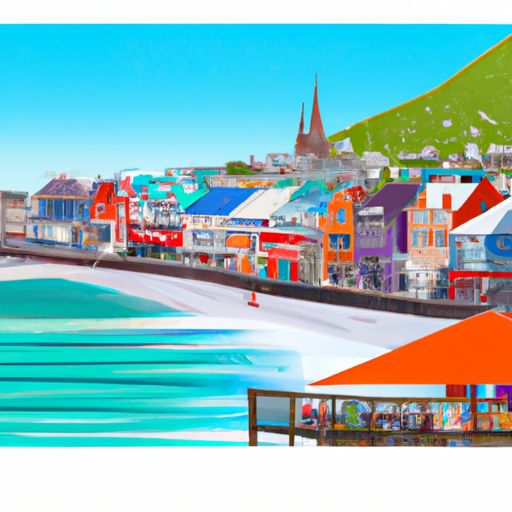
The Two Oceans Marathon is one of the most iconic and highly anticipated annual events in Cape Town. This prestigious marathon has been taking place for over five decades, attracting local and international participants. The race provides a unique opportunity for runners and spectators to experience the beauty of Cape Town’s coastal landscapes while pushing boundaries and exploring personal limits.
A Scenic and Challenging Route
The Two Oceans Marathon offers a picturesque and challenging route that spans the Atlantic and Indian oceans. The 56km ultra-marathon, which takes place on the Saturday before Easter, starts in the city center and winds through Cape Town’s southern suburbs before heading south to the coast. The half-marathon, held the following day, starts and ends at the University of Cape Town.
The race route showcases some of the most beautiful and iconic landmarks of Cape Town, including Chapman’s Peak, Hout Bay, Constantia Nek, and Southern Cross Drive. Runners and spectators can enjoy breathtaking views of the sea, mountains, and lush greenery.
A Festive Atmosphere
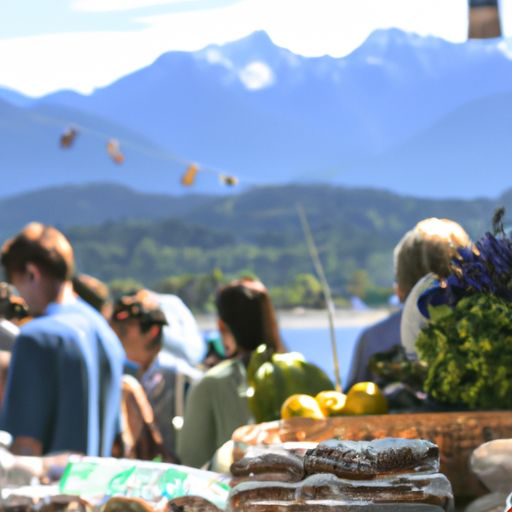
The Two Oceans Marathon is a platform for athletic competition and a celebration of the community and the beauty of Cape Town. The race attracts thousands of enthusiastic supporters who line the route, cheering on runners and providing words of encouragement.
The event’s festive atmosphere is palpable, with live music, food vendors, and various entertainment activities along the route. In addition, the spirit of camaraderie and shared passion for running make the Two Oceans Marathon a unique and memorable experience.
A Sustainable Event
The Two Oceans Marathon organizers take sustainability seriously and aim to minimize the event’s environmental impact. The organizers encourage participants and spectators to adopt eco-friendly practices by reducing waste, using public transport, and carpooling. The route is also designed to minimize disruption to residents and businesses in the area.
Participants and spectators alike will have the opportunity to get an understanding of the significance of maintaining a sustainable ecosystem and protecting the natural world. To guarantee that the event has a good and long-lasting influence on the community and the surrounding environment, the event’s organizers collaborate closely with the relevant local authorities, non-profit organizations, and community groups.
Spectator Guide: Where to Watch the Race
The Two Oceans Marathon provides a wealth of options for spectators, whether they are seasoned racegoers or attending the event for the first time, to experience the event’s excitement and take in the breathtaking surroundings. Here are some of the most valuable vantage points from which to observe the race:
-
Rondebosch: The Main Road in Rondebosch is a great starting point for runners and supporters to experience the event’s excitement. Supporters typically line the route between Protea and Paradise Roads with coffee and words of encouragement.
-
Muizenberg and Kalk Bay: This stretch offers the best ocean view on the first 20km route. This flat section of the route also has several coffee shops and restaurants, offering spectators a place to relax once the runners have passed.
-
Fish Hoek and Kommetjie Road: While still being able to keep an eye on the racers, spectators are welcome to take a refreshing plunge in the water or unwind with a good book on the beach.
-
Noordhoek and Chapman’s Peak: The climb starts at Noordhoek Village, winding down along the mountain’s edge to Hout Bay. At the 28-kilometer point, runners will be able to take in some spectacular vistas, while spectators may pack a picnic basket and get an early start on their ascent of the mountain to take in the scenery. Please be aware that you cannot get a car into this location.
-
Hout Bay and Constantia Nek: Residents typically line the Hout Bay Main Road, offering their support to runners as they reach the top of Constantia Nek. Spectators can fully immerse themselves in the race here, where fields and dirt tracks line the route.
-
Southern Cross Drive and Cecilia Forest: Southern Cross Drive typically boasts cheering crowds and even bands supporting runners. Cecilia Forest along Rhodes Drive also offers an excellent and shady viewing point for spectators to cheer the runners on.
The Two Oceans Marathon is more than just a race; it celebrates Cape Town’s natural beauty, community spirit, and commitment to sustainability. The event offers a unique opportunity for runners and spectators to experience the city’s scenic landscapes while pushing boundaries and testing their limits.
The Two Oceans Marathon is a testament to the power of sports to bring people together, promote healthy living and environmental awareness, and create positive and lasting impacts on communities. We look forward to the next edition of this iconic event and the many unforgettable moments it will bring.