The Two Oceans Marathon in Cape Town is a breathtaking 56-kilometer race where runners race between two oceans, through stunning mountains, forests, and cliffs. Since 1970, it has brought together people from all walks of life to celebrate strength, community, and the city’s natural beauty. Despite tough challenges in 2025, the race is bouncing back stronger with new organizers and fresh ideas to keep runners safe and inspired. This marathon is more than a race – it’s a vibrant story of courage, connection, and Cape Town’s spirit.
What is the Two Oceans Marathon in Cape Town?
The Two Oceans Marathon is a scenic ultramarathon held annually in Cape Town, featuring a 56-kilometer route that showcases spectacular landscapes where the Indian and Atlantic oceans meet. It celebrates endurance, community spirit, and the city’s natural beauty, attracting thousands of runners worldwide.
Where Land and Sea Converge
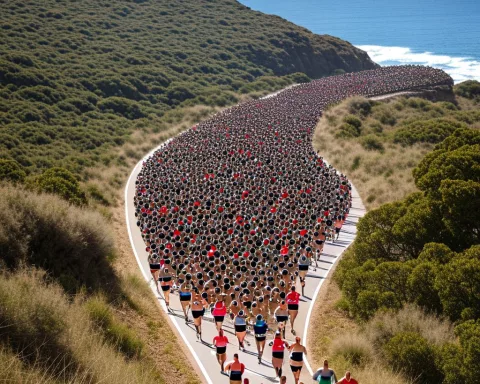
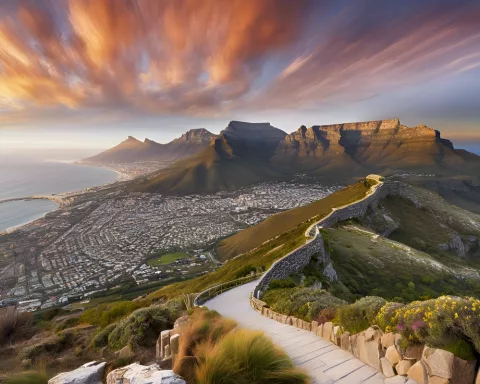
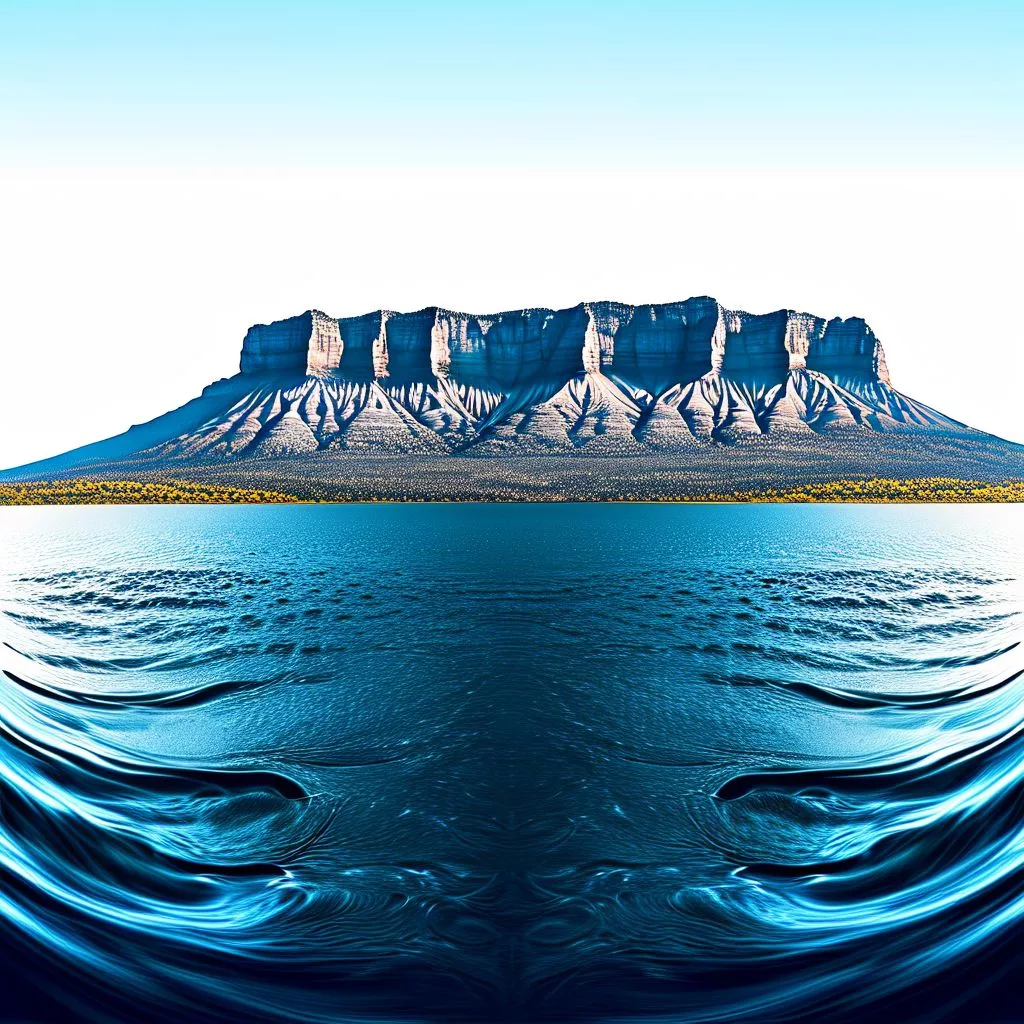
Every autumn, the city of Cape Town wakes to an electric anticipation. The Totalsports Two Oceans Marathon, anchored between the wild slopes of Table Mountain and the restless tides where the Indian and Atlantic oceans meet, is far more than a test of stamina. Since 1970, this iconic race has woven together the region’s breathtaking landscapes, the unyielding determination of athletes, and a palpable sense of community. What began as a local ultramarathon now draws thousands – elite competitors and novices alike – each April, all eager to challenge their limits on a course hailed as the world’s most scenic.
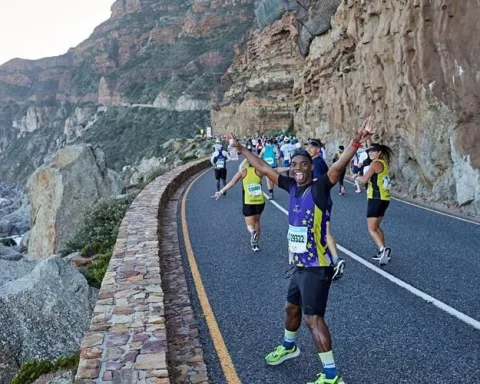
The marathon route, stretching beyond 56 kilometers, is a living gallery of the Western Cape’s natural riches. Runners travel through the leafy avenues of Newlands, slip beneath the ancient shadows of Tokai Forest, and ascend the dramatic cliffs of [Chapman’s Peak ](https://capetown.today/the-ultimate-guide-to-chapmans-peak-drive-in-cape-town/)and Noordhoek. These dramatic vistas echo the works of Romantic artists, who sought to capture the sublime interplay of earth, sky, and sea. For participants, the marathon becomes a moving meditation on the coexistence of the wild and the cultivated, the solitary and the communal.
But the Two Oceans Marathon is not only about individual achievement or natural beauty. It has become a pilgrimage for many South Africans – an annual ritual that celebrates perseverance, unity, and the city’s eclectic spirit. On these roads, legends are born, such as Thompson Magawana’s legendary 1988 run, while countless ordinary runners also carve their own stories of triumph and transformation.
A Race Tested by Turbulence
However, the journey of the Two Oceans Marathon has not followed a path free of obstacles. In 2025, the event faced perhaps its greatest challenge in decades: the City of Cape Town unexpectedly withdrew both sponsorship and critical logistical support. This rupture did not spring from a simple misunderstanding but emerged from intricate negotiations over safety regulations and organizational capacity.
The city’s permit for 2025 capped entries at 14,000 for the ultra-marathon and 17,000 for the half-marathon. Yet, registration numbers soared beyond these limits. More than 20,600 runners signed up for the half-marathon, and 17,677 ultimately crossed the finish line. City officials voiced concerns about overcrowding, insufficient medical preparation, and the ability to keep emergency routes open – issues that resonate with the historical challenges faced by mass sporting events worldwide. The breach of permit conditions led the city to reexamine its involvement, leaving the marathon’s future hanging in the balance.
This decision triggered a wave of uncertainty. Organizers suddenly faced the mammoth task of managing traffic, hydration stations, medical assistance, volunteer coordination, and security without municipal backing. The complexity and cost of staging such a large-scale athletic event grew overnight. Despite these obstacles, the marathon’s custodians refused to let the event falter. Instead, they began to chart a new course, determined to safeguard the marathon’s standing as a world-class fixture on the international running calendar.
Reinvention and Renewal
Rather than surrendering to adversity, those at the helm of the Two Oceans Marathon embarked on a process of reinvention. In a move that signaled new beginnings, the organizers appointed Stillwater Sports as the official Staging and Commercial Partner for the 2026 edition. With a proven track record in orchestrating complex sporting events, Stillwater Sports brings fresh expertise in logistics, marketing, and athlete engagement – foundations critical for the marathon’s resurgence.
Momentum has already begun to build for the 2026 race. Organizers promise not only the return of the ultra and half-marathon distances but also a robust emphasis on safety, participant experience, and community involvement. Preliminary announcements suggest the integration of advanced digital tools – real-time tracking, streamlined communication, and data-driven athlete support – mirroring trends seen in premier marathons around the globe. These innovations aim to ensure that both athletes and spectators can fully immerse themselves in the marathon’s unique atmosphere, while maintaining rigorous safety standards.
The marathon’s capacity to weather such storms is rooted in its deep connection to Cape Town’s identity. The route encapsulates the city’s diversity, threading urban neighborhoods and wind-sculpted coastal roads alike. With every step, runners experience the shifting moods of the Mother City – from Newlands’ cool dawn mist to the sunlit embrace of the Southern Peninsula. This journey mirrors the varied backgrounds and aspirations of each participant, weaving a tapestry that reflects the complex social fabric of South Africa itself.
Stories, Culture, and Community Impact
Personal stories breathe life into the Two Oceans Marathon and set it apart on the global stage. One remembers the determination of a barefoot runner from Khayelitsha, finding strength in encouragement from strangers who offered orange slices and cheers. Another recounts a French entrant pausing mid-race, compelled to capture the panoramic view from Chapman’s Peak – momentarily trading speed for awe. These moments illustrate how the race transforms bystanders into allies, and competitors into members of a larger shared drama.
The visual identity of the marathon has also evolved over time. From the minimalist race graphics of the 1970s, the branding now bursts with the vibrant colors and multicultural influences of modern South Africa. Each year’s medal, a coveted prize for finishers, carries motifs inspired by local culture, indigenous heritage, and contemporary design – making it both a trophy and a piece of wearable art.
Beyond the running, the marathon leaves a significant economic and social footprint on Cape Town. The influx of athletes and supporters fuels local businesses – hotels, restaurants, shops – while charities benefit from the funds many runners raise along the way. This mutual exchange between the event and the city evokes the ancient Greek notion of agôn – not just competition among individuals, but a broader contest that lifts entire communities.
Environmental stewardship has become a guiding principle for organizers in recent years. The marathon has cut plastic waste, promoted responsible hydration, and launched initiatives to protect the delicate ecosystems along the course. In doing so, the event honors a tradition where aesthetic enjoyment and ethical responsibility go hand in hand, echoing the ideals of the British Arts and Crafts movement.
Looking Ahead: Tradition Meets Innovation
The turbulence of 2025 stands as a pivotal chapter, not a closing act, in the Two Oceans Marathon’s history. By embracing challenge as an opportunity for growth, the event’s leaders reaffirm values that have guided the race for more than half a century: resilience, creativity, and a profound respect for both people and place.
As excitement grows for the 2026 edition, the anticipation is palpable – not only among runners, but also the volunteers, sponsors, and fans who breathe life into this annual celebration. The prospect of returning to the course – under the shadowed Tablecloth, alongside the rolling surf, cheered on by the city’s diverse residents – promises an experience that transcends mere athletic competition. In every stride, the Two Oceans Marathon continues to embody the spirit of Cape Town: enduring, inclusive, and ever-evolving, where the bond between runner, road, and city remains unbreakable.
What is the Two Oceans Marathon in Cape Town?
The Two Oceans Marathon is an iconic ultramarathon held annually in Cape Town, South Africa. It covers a challenging 56-kilometer route that runs between the Indian and Atlantic Oceans, passing through stunning landscapes such as Table Mountain, forests, cliffs, and coastal roads. Since its inception in 1970, the race has become a symbol of endurance, community spirit, and Cape Town’s breathtaking natural beauty, attracting thousands of runners from around the world.
What makes the Two Oceans Marathon route unique?
The marathon route is renowned for its spectacular scenery and diversity. Runners traverse through the leafy suburbs of Newlands, the ancient Tokai Forest, the dramatic cliffs of Chapman’s Peak, and the serene coastal village of Noordhoek. This course offers a moving experience that combines the wild natural environment with urban culture, showcasing the convergence of two oceans and the varied moods of Cape Town – from misty mountain dawns to sunlit ocean views.
What challenges did the Two Oceans Marathon face in 2025?
In 2025, the marathon encountered significant difficulties when the City of Cape Town withdrew sponsorship and logistical support due to concerns about overcrowding, safety, and emergency preparedness. The number of registrants exceeded official permit limits, raising worries about medical readiness and security. This unexpected withdrawal created uncertainty about the marathon’s future and forced organizers to manage the event without municipal backing, increasing complexity and costs.
How is the Two Oceans Marathon adapting and evolving for the future?
For the 2026 edition, the marathon has entered a new phase under the stewardship of Stillwater Sports, a company with proven expertise in major sporting events. They are introducing fresh ideas focused on safety, participant engagement, and community involvement. Innovations include digital tools like real-time runner tracking and improved communication systems to enhance the experience for athletes and spectators alike. These changes aim to preserve the marathon’s world-class status while ensuring a safe and inspiring event.
What is the cultural and community significance of the Two Oceans Marathon?
Beyond being a race, the Two Oceans Marathon is a vibrant celebration of courage, connection, and Cape Town’s diverse spirit. It fosters a sense of unity among participants and spectators, with personal stories of perseverance and solidarity often shared. The event also provides an economic boost to local businesses and supports charitable causes. Furthermore, the marathon promotes environmental responsibility by reducing waste and protecting the fragile ecosystems along the course.
How does the Two Oceans Marathon balance tradition with innovation?
While honoring more than five decades of history and tradition, the Two Oceans Marathon embraces innovation to meet modern challenges. The race’s identity reflects South Africa’s rich cultural tapestry through its evolving branding, medals, and community engagement. At the same time, organizers incorporate advanced logistics, safety protocols, and digital technology to enhance the experience. This dynamic approach ensures the marathon remains a resilient, inclusive, and iconic event that continues to capture the spirit of Cape Town.