
Mogamat is a hero who sifts through discarded waste in Cape Town’s wealthy neighborhoods, looking for recyclables. He is part of a group of unsung heroes who recycle waste, ensuring that plastic and metal do not end up in landfills. Despite the challenges he faces, Mogamat is driven by a dedication to his family and a desire to avoid turning to crime. His work highlights the potential for an alternative waste economy and reminds us of our collective duty towards the planet.
Who is Mogamat, the Man with a Mission?
Mogamat is an unsung hero who scours discarded waste in opulent neighborhoods of Claremont and Athlone, searching for recyclables. He constitutes a vital segment of the unnoticed warriors of the environment who recycle our discarded waste, ensuring that plastic and metal do not end up in landfills for ages. Despite his challenging conditions, Mogamat’s labor is driven by an unwavering dedication to his family and a stern decision not to turn to crime.
In the bustling cityscape, an unconventional hero emerges every day. This hero does not wear a cape but controls a modest rickshaw-style trolley. This hero is Mogamat, hailing from Manenberg, he embarks on a weekly journey, taking him to the opulent neighborhoods of Claremont and Athlone. Before the sun fully rises on bin collection day, he scours through the discarded waste of people, searching for recyclables. His incentive stems not just from personal benefit but a deeper calling to provide for his kin and contribute to the health of our globe.
The Invisible Saviours of the Planet
Mogamat constitutes a vital segment of the unnoticed warriors of the environment. These unsung heroes, often disregarded and unappreciated, provide a crucial service to our society. They recycle our discarded waste, ensuring that plastic and metal do not end up in landfills for ages.
Despite his challenging conditions, the story of Mogamat resonates with the dignified determination of a man resolved to lead an upright life. He openly admits that his earnings from the collection of recyclables are scanty. He manages to make R1 from a bag and a half of plastic bottles, and the same amount of metal cans earns him R2. Despite such meager income, he continues his labour, driven by an unwavering dedication to his family and a stern decision not to turn to crime.
The Bin Scavengers: More Than What Meets the Eye
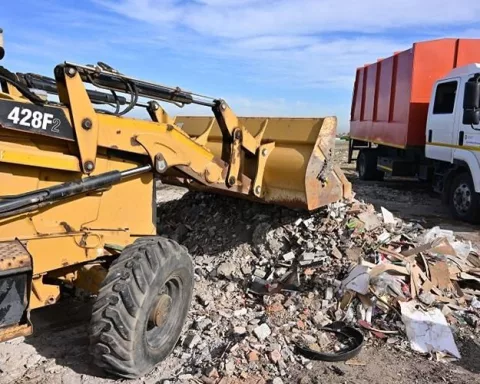
The task these bin scavengers undertake is not merely a means of survival, but a significant service to their communities and the environment. They rummage through heaps of thrown away waste, segregating recyclable materials, thereby reducing the incessant flow of waste to our landfills. Moreover, they unwittingly educate the public about waste disposal and recycling.
However, their noble endeavor is not devoid of hurdles. The fear of being scolded or chased away compels them to work hastily, frequently leaving a mess behind. Nonetheless, these individuals are neither ill-intentioned nor negligent. They are merely individuals entrapped by poverty, striving to make ends meet while contributing to a broader cause.
An Alternative Waste Economy: A Ray of Hope
In their efforts, there lies the possibility for a different waste economy to flourish. With investments in separate bins for different waste categories, cities like Cape Town could foster a more sustainable environment. This undertaking could not only amplify recycling endeavors but also mitigate other societal issues like cable theft.
Mogamat and his companions teach us a valuable lesson about waste. What we often disregard as useless rubbish holds the capacity to drive an alternate economy, provide employment, and conserve our environment. They demonstrate how a simple act like segregating waste can have extensive implications.
Mogamat: A Symbol of Resilience and Ingenuity
Therefore, Mogamat stands as a symbol of tenacity and inventiveness, reminding us of our collective duty towards our planet. His story urges us to reevaluate our assumptions and our actions. It’s a plea for action—to sort our waste, recycle, and recognize the work of these unsung environmental warriors.
So, the next time you dispose of your bin, remember Mogamat. Remember that our waste is not merely trash, but a treasure chest of opportunities. And remember, a little extra effort in discarding waste can transform lives and potentially, the world.
1. Who is Mogamat?
Mogamat is an unsung hero who searches through discarded waste in Cape Town’s wealthy neighborhoods, looking for recyclables. He is driven by a dedication to his family and a desire to avoid turning to crime.
2. What is the role of bin scavengers like Mogamat?
Bin scavengers like Mogamat reduce the incessant flow of waste to landfills by segregating recyclable materials. They also unwittingly educate the public about waste disposal and recycling.
3. What is the potential for an alternative waste economy?
Investments in separate bins for different waste categories could foster a more sustainable environment, amplify recycling endeavors, and mitigate societal issues like cable theft.
4. How much does Mogamat earn from collecting recyclables?
Mogamat’s earnings from the collection of recyclables are scanty. He manages to make R1 from a bag and a half of plastic bottles, and the same amount of metal cans earns him R2.
5. What is the significance of Mogamat’s work?
Mogamat’s work highlights the potential for an alternative waste economy and reminds us of our collective duty towards the planet. He is a symbol of tenacity and inventiveness, urging us to reevaluate our assumptions and actions towards waste management.
6. How can we contribute to waste management?
We can contribute to waste management by sorting our waste, recycling, and recognizing the work of unsung environmental warriors like Mogamat. A little extra effort in discarding waste can transform lives and potentially, the world.