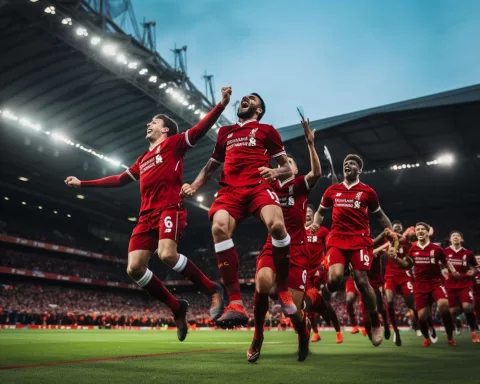

Liverpool FC has experienced a huge increase in commercial revenues for the 2022-23 fiscal year, compensating for declines in media and matchday income. The club’s total revenue remained stable at £594 million, thanks in part to a highly successful pre-season tour and the opening of new venues across Asia. The success of Liverpool FC’s commercial operations underpins their financial stability and allows for sustainable competition at the highest level of football. The club is eagerly awaiting the completion of the new Anfield Road Stand and is optimistic about the remainder of the season for both the men’s and women’s teams.
Liverpool FC’s Financial Standings
Liverpool FC experienced an unprecedented £25 million increase in their commercial revenues for the 2022-23 fiscal year, compensating for the decline in media and matchday income. The club’s total revenue remained stable at £594 million, with the commercial revenue being the most solid. The success of the club’s commercial operations underpins their underlying financial position and allows for sustainable competition at the highest level of football.
Liverpool FC’s Financial Standings
The Liverpool FC, a football institution based in Anfield, has recently made public its annual financial reports for the 2022-23 season. The highlight of the report is an extraordinary boom in commercial revenues. The fiscal year, which ended on May 31, 2023, noted a remarkable increase of £25 million in the commercial revenues. Among the three primary sources of the club’s income, the commercial revenues have proven to be the most solid.
The significant increase in the commercial revenue has effectively compensated for the declining media and matchday income, thereby ensuring the total revenue remains stable at £594 million. This matches the numbers from the previous year. Andy Hughes, the managing director of Liverpool FC, highlighted the club’s financial strength, underscoring the steadfast commitment to running the club in alignment with the rules of football and principles of financial sustainability. This commitment has remained constant since FSG purchased the club in 2010.
The Commercial Success Story
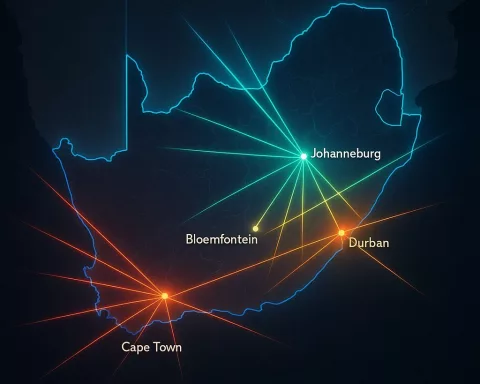
Liverpool FC’s tremendous commercial success during this time can be attributed to a major boost in partnerships and a highly successful pre-season tour. This tour included matches in the dynamic cities of Thailand and Singapore. An unexpected surge in income was also noted in the club’s retail operations. This was triggered by the opening of seven new venues across Asia and the introduction of the LFC Store app. This was the first app of its kind in football and has amassed over 350,000 downloads.
The 2019-20 season was also remarkable due to the high visitor footfall across all global LFC outlets. This included more than 10,000 spectators on matchdays at the iconic Anfield, contributing to a total of 2.5 million visitors. As Hughes elaborated on the club’s sustainability efforts, he stated, “The success of our commercial operations underpins the strength of our underlying financial position, allowing us to operate sustainably while competing at the highest level of football.”
The Road Ahead: New Developments and Expectations
Liverpool FC is eagerly awaiting the completion of the new Anfield Road Stand in the upcoming months. The record league attendance this year is a testament to the progress the club has made since the commencement of the significant capital investment in Anfield’s redevelopment a decade ago. Hughes further highlighted the crucial role of matchday revenue in their overall financial sustainability model. The ability to increase controllable income streams is a key aspect of their long-term strategies.
Such a strategy would ensure ongoing reinvestment in both the men’s and women’s teams to achieve their goals. Hughes also emphasized the continuously growing global popularity of the club by stating, “Thanks to our incredible fan base, LFC continues to be the most globally-followed club in the Premier League.” The leadership of Liverpool FC is optimistic about the remainder of the season. They hope for a robust finish by both the men’s and women’s teams, thereby keeping up their successful momentum.
What was Liverpool FC’s total revenue for the 2022-23 fiscal year?
Liverpool FC’s total revenue for the 2022-23 fiscal year remained stable at £594 million.
What caused the increase in Liverpool FC’s commercial revenues?
The increase in Liverpool FC’s commercial revenues can be attributed to a major boost in partnerships, a highly successful pre-season tour, and a surge in income from the club’s retail operations.
What was the reason for the decline in Liverpool FC’s media and matchday income?
The reason for the decline in Liverpool FC’s media and matchday income was not specified in the information provided.
What is the significance of Liverpool FC’s commercial success to the club’s financial stability?
Liverpool FC’s commercial success underpins their financial stability and allows for sustainable competition at the highest level of football.
What new developments is Liverpool FC eagerly anticipating?
Liverpool FC is eagerly anticipating the completion of the new Anfield Road Stand in the upcoming months, which is expected to increase their matchday revenue.
What is Liverpool FC’s long-term strategy for financial sustainability?
Liverpool FC aims to increase controllable income streams to ensure ongoing reinvestment in both the men’s and women’s teams to achieve their goals.