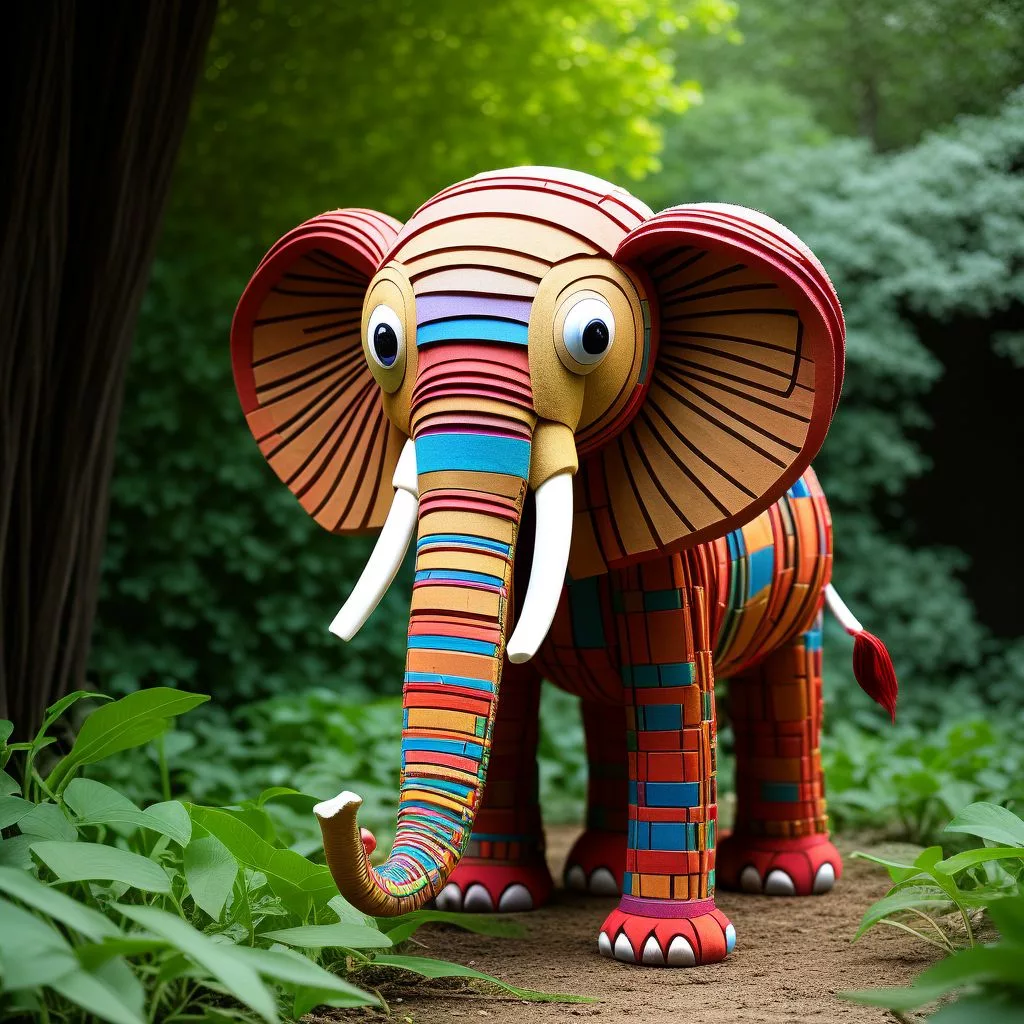
“The Herds” is a vibrant art project using giant animal puppets to raise awareness about climate change. With performances across continents from Africa to the Arctic, these puppets aim to inspire people to take action for the planet. Crafted from recycled materials, they embody the project’s commitment to sustainability. The journey of “The Herds” is not just about entertainment; it’s a powerful message urging everyone to protect our environment and recognize our connection to nature. Through art and activism, this project hopes to ignite a spark of change in hearts around the world.
What is ‘The Herds’ project about?
‘The Herds’ is an innovative public art initiative combining puppetry, choreography, and activism to raise awareness about climate change. Featuring life-sized animal puppets, it aims to inspire action for ecological preservation through performances across multiple continents, highlighting the urgent need for environmental stewardship.
Awakening the World to Climate Change
In the vibrant pulse of African metropolises and the serene stillness of Norway’s Arctic landscapes, something extraordinary is about to unfold. Life-sized animal puppets, brought to life by skilled performers, will soon make their debut. These aren’t just mere performances; they’re a call to arms against the escalating climate crisis. Dubbed ‘The Herds,’ this ambitious public art initiative integrates puppetry with choreography, artistry, music, and activism to deliver a powerful message. Spearheaded by Cape Town’s Ukwanda Puppetry and Design Collective, ‘The Herds’ has been in the making since January 2024.
Initially established in 2019, Ukwanda Puppetry and Design Collective may be relatively new, but it carries the legacy of the illustrious Handspring Puppet Company. Known for groundbreaking productions like ‘Ubu and the Truth Commission’ and ‘War Horse,’ Handspring has mentored Ukwanda, instilling a sense of mastery and mission. The Centre for Humanities Research at the University of the Western Cape also lends its support, highlighting the project’s academic and cultural importance.
Set to launch on April 9 in Kinshasa, Democratic Republic of Congo, ‘The Herds’ will traverse multiple continents, making stops in Nigeria, Senegal, Spain, France, Denmark, and ultimately, the Arctic Circle of Norway. Craig Leo, a puppetry designer with Ukwanda, revealed the eco-friendly methods employed in creating these puppets. Constructed from cardboard, plywood, and recycled tire rubber, the puppets embody the project’s commitment to sustainability.
Crafting the Message of Environmental Sustainability
The project features over a dozen animal species, including zebras, gorillas, chimpanzees, and vervet monkeys. According to Leo, the prototypes are crafted in Cape Town, and a comprehensive digital guide ensures that consistent replicas can be assembled along the journey. The rapid production and intricate design present considerable challenges. Ukwanda must create and test numerous prototypes within a year and train local artisans in each country on the art of puppet construction.
The Walk Productions, famous for the creation of Little Amal, a 10-year-old Syrian refugee puppet, is also behind ‘The Herds.’ Little Amal’s 17-country journey resonated with over two million people, underscoring the profound impact of puppetry. Amir Nizar Zuabi, Artistic Director at The Walk Productions, drew a parallel between their former project and ‘The Herds.’ Many refugees encountered during Little Amal’s journey were escaping climate-induced famines and environmental destruction rather than war. Zuabi poignantly remarked, “There’s loss of biodiversity, there’s loss and loss and loss and loss, and it’s all connected.”
Zuabi aims to evoke a deep emotional response to combat the desensitization many feel towards climate change. He hopes these performances will inspire people to view their cities and the natural world through a renewed lens. The ambitious project aims to create over 250 puppets, cover 20,000 kilometers, and stage performances in 25 cities across 10 countries. This monumental endeavor merges art and activism, emphasizing the urgency of ecological preservation.
The Artistic and Technical Challenges
Siphokazi Mpofu, a seasoned puppetry designer at Ukwanda with more than a decade of experience, explained the technical challenges involved in animating these large puppets. Capturing the natural movements of animals, particularly larger ones like elephants and giraffes, is crucial. These massive puppets require the coordination of three puppeteers, demanding both precision and harmony to move fluidly as a single entity.
‘The Herds’ reflect the grandeur of historical and artistic movements. Comparable to the Renaissance’s humanistic ideals and the dramatic expressions of the Baroque era, this project melds aesthetic appeal with a call to action. Each puppet serves as more than a visual spectacle; it’s a vessel for the message of environmental stewardship and interconnection.
Art has historically mirrored society’s values and concerns. From Monet’s impressionist landscapes, capturing fleeting beauty, to Picasso’s ‘Guernica,’ a lament on the horrors of war, artists have long provoked thought and inspired change. ‘The Herds’ align with this tradition, utilizing puppetry to address the contemporary crisis of climate change.
The Broader Context and Impact
This project resonates with the principles of the 1960s environmental movement, which sparked awareness and activism. Rachel Carson’s seminal work, “Silent Spring,” highlighted the ecological dangers of pesticide use, leading to public outcry and policy changes. Similarly, ‘The Herds’ aim to awaken public consciousness and spur collective action against climate degradation.
Puppetry’s portability and accessibility make it an ideal medium for disseminating this crucial message. Unlike traditional art forms confined to galleries or theaters, these performances will occur in public spaces, reaching diverse audiences. This approach democratizes art, making its powerful message accessible to everyone, regardless of socioeconomic status.
As ‘The Herds’ embark on their journey, they embody the aspirations of countless individuals striving for a sustainable future. This project stands as a testament to the power of collective action and the enduring spirit of creativity. Through the intricate dance of these life-sized puppets, the world will witness a compelling narrative of ecological resilience and the urgent need for change.
A Call to Action Through Art
In essence, ‘The Herds’ project encapsulates the spirit of artistic activism, merging the beauty of performance with a critical environmental message. It underscores the interconnectedness of life and the importance of biodiversity, seeking to inspire a global audience to take meaningful action against climate change. By transforming public spaces into stages for these poignant performances, ‘The Herds’ democratize the conversation around environmental preservation, making it a shared public concern.
As these remarkable puppets traverse continents, they will carry with them stories of hope, resilience, and the urgent need for change. They remind us that, like the natural world they represent, we are all interconnected. The journey of ‘The Herds’ is not just a series of performances but a powerful movement, urging every one of us to recognize our role in safeguarding the planet for future generations.
In conclusion, ‘The Herds’ is more than an art project; it’s a clarion call for climate awareness and action. It bridges the gap between art and activism, offering a vivid and emotional narrative that speaks to the urgency of the climate crisis. Through the craftsmanship of Ukwanda Puppetry and Design Collective, supported by the rich legacy of Handspring Puppet Company and The Walk Productions, ‘The Herds’ promise to leave an indelible mark on the global consciousness.
Frequently Asked Questions (FAQ)
What is the primary goal of ‘The Herds’ project?
‘The Herds’ is an innovative public art initiative aimed at raising awareness about climate change through captivating performances featuring life-sized animal puppets. By blending art with activism, the project seeks to inspire a collective action for ecological preservation across various continents.
Where will ‘The Herds’ performances take place?
The project will kick off in Kinshasa, Democratic Republic of Congo, on April 9, 2024, and will travel to multiple countries including Nigeria, Senegal, Spain, France, Denmark, and even the Arctic Circle in Norway, covering a distance of 20,000 kilometers and staging performances in 25 cities.
How are the puppets created and what materials are used?
The puppets are constructed from eco-friendly materials such as cardboard, plywood, and recycled tire rubber, reflecting the project’s commitment to sustainability. Prototypes are crafted in Cape Town, with a digital guide ensuring consistency across the different locations while training local artisans in puppet construction.
Who is behind the design and execution of ‘The Herds’?
The project is spearheaded by the Ukwanda Puppetry and Design Collective, which carries the legacy of the renowned Handspring Puppet Company. They are collaborating with The Walk Productions, known for their impactful work with puppetry, to bring ‘The Herds’ to life with artistic and technical expertise.
What kind of animal puppets will be featured in the performances?
‘The Herds’ will showcase over a dozen species of animals, including zebras, gorillas, chimpanzees, and vervet monkeys. Each puppet aims to represent the beauty and importance of biodiversity, underscoring the interconnectedness of all living beings in the face of climate change.
How does ‘The Herds’ project connect to historical and cultural movements?
The project draws inspiration from historical artistic movements and aligns with the principles of the 1960s environmental movement, seeking to evoke public consciousness and inspire action against climate degradation. Utilizing puppetry as an accessible art form, ‘The Herds’ democratizes the conversation around environmental issues, making it relevant and engaging for diverse audiences.