Township Labs helps South African teenagers become eco-entrepreneurs. They turn everyday problems into green businesses, like using fly grubs to make fertilizer or old tech to create solar lanterns. These young innovators get training, money, and mentorship, transforming their communities and boosting the country’s green economy. It’s all about simple ideas making a big, positive impact.
What is Township Labs?
Township Labs is a South African initiative empowering teenagers to address environmental challenges through entrepreneurship. It provides training, mentorship, and funding for innovative green projects, transforming townships into hubs for sustainable business and contributing significantly to the informal green economy.
1. Saturday on the Soccer Pitch: Where Flies and Code Converge
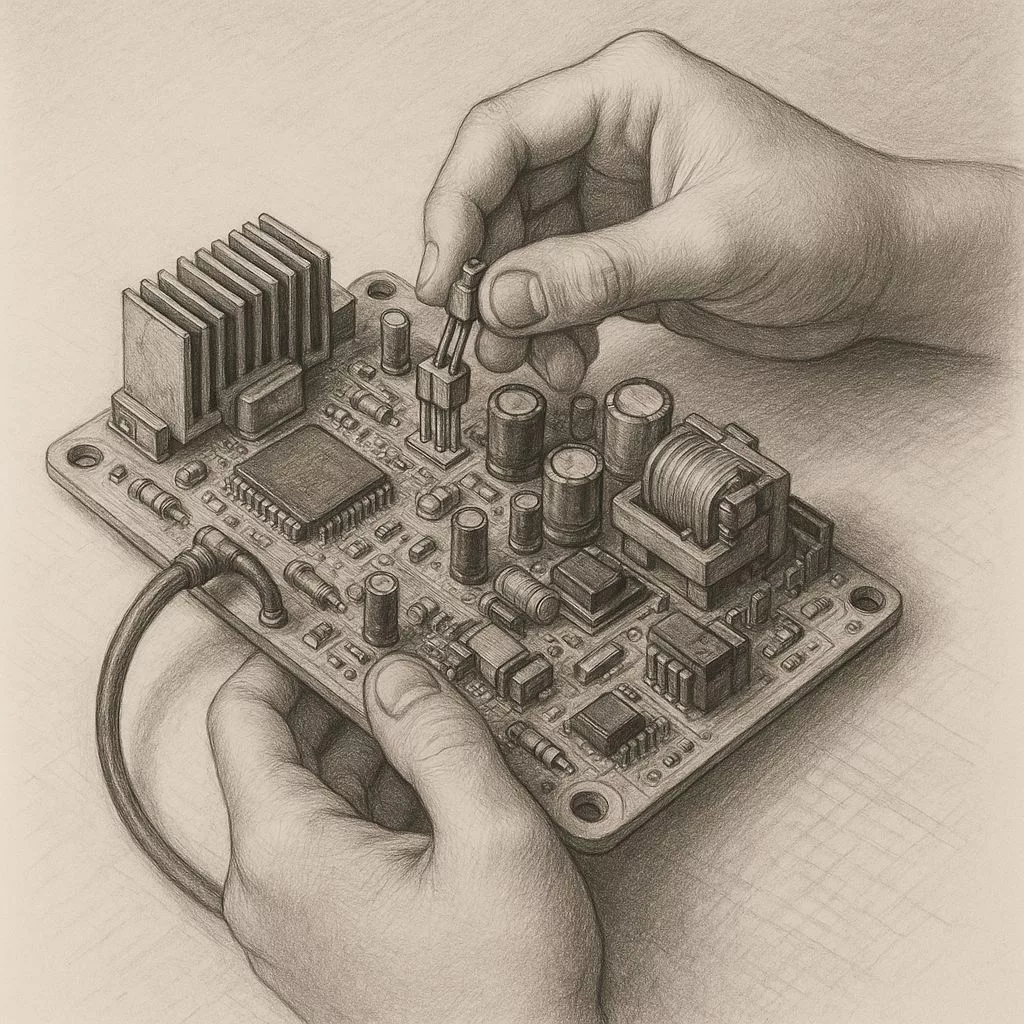
A dusty soccer ground in Ivory Park, north-east of Johannesburg, has become an open-air biotechnology hub. Seventeen-year-old Kgothatso “KG” Mlangeni tightens the last bolt on a plywood crate the size of a large fridge. Inside, a thousand writhing black-soldier-fly grubs erase yesterday’s wilted lettuce from a nearby Shoprite, turning it into high-grade protein and plant food. One step away, Nthabiseng Radebe snaps a Raspberry Pi into a home-made sensor cluster that will soon spit out soil readings every quarter-hour on Twitter. Neither teen has seen the inside of a private science centre; their labs are corrugated-iron classrooms where coat-hanger wire still doubles as circuitry.
Today the pair are grand-finalists in the Primestars National Youth Entrepreneurship Awards, a travelling “Shark Tank” that criss-crosses the townships. Their brainchild, Aqualarv, was built in six months with R3 200 scraped together from family stokvels and a WhatsApp group that pings through the night. Victory would hand them a R50 000 incubation voucher and a guaranteed berth in the national Department of Forestry, Fisheries & the Environment’s graduate pipeline. Defeat changes nothing: the fertiliser has already been pre-ordered by four local spaza shops, and the larvae reproduce faster than gossip. “Trophies look nice,” KG laughs, “but maggots don’t watch prize-giving ceremonies.”
The competition is more than a feel-good talent show. It is the visible tip of a decadelong strategy that began when ex-film producer Martin Sweet persuaded Shoprite to bankroll mobile matric-revision movies in tin-roofed halls. The screens morphed into pop-up innovation studios, and today 1 500 schools, 130 000 learners and 5 000 teachers plug into the “Step Up 2 a Green Start-Up” curriculum each year. Entry is not limited to A-students; any quartet that spots a neighbourhood environmental headache and drafts a prototype that can break even within twelve months is welcome.
2. Boot-Camp at the Wanderers: No Jargon, Just Customers
Every February the best one hundred teams descend on the Wanderers Club in Illovo, the same cricket ground famous for pink-gin corporate brunches. For three days the executives are evicted by teenagers clutching zip-lock bags of soil, battered circuit boards and, once, a live tilapia in an ice-cream tub. Mentors range from NASA-trained remote-sensing doctors to 24-year-old alumni who already keep fifteen cousins on payroll. The golden rule: explain your concept to a twelve-year-old in forty-five seconds or start again. “If a township kid doesn’t buy your story, the market never will,” Sweet insists.
What separates this contest from ordinary science expos is instant access to money. Finalists receive QR-coded “green wallets” that spit out R500 micro-grants each time they hit a verifiable target – first repeat buyer, first positive environmental audit, first supplier contract. The cash is crowdfunded from 38 000 taxi drivers, nurses and security guards who get a two-line SMS update and a snapshot of the prototype. No company logos, no oversized cheques, just capital that lands as fast as an airtime voucher.
Government has moved from applause to active partnership. Four DFFE officials sit full-time inside Primestars’ downtown office with one key performance indicator: cut the licence wait from fourteen months to fourteen days. The Department of Small Business Development has carved 8 % of its R1.8 billion Youth Fund to create copy-and-paste franchise packs – standard operating procedures, food-safety manuals and tax registrations – so a winning team can clone its idea in the next town without drowning in paperwork. One pack, “AquaShop-in-a-Box”, helped 2022 Limpopo champions expand from a single aquaponic container to 42 franchise units run by local co-ops, each netting R4 500 a month.
3. Curriculum That Rewrites Itself and Cash That Plants Trees
Rolling blackouts in 2023 forced a six-week rewrite of module four (“Energy”). Photocopied worksheets on coal were replaced with hands-on teardowns of discarded UPS gadgets and lessons on how to harvest 18650 lithium cells from old laptops. The result: 64 teams now assemble and sell “Load-Shedding Lanterns” for R120 a piece; 42 000 units have flown off kitchen tables in twelve months. Inland teens follow module seven (“Blue Economy”) to build floating fish-attractors from maize stalks and avocado-seed bioplastic. They sell GPS co-ordinates to Durban skippers for R1 a ping, averaging R1 800 a month – triple the child-support grant.
Stringent metrics keep the eco-bragging rights honest. A Stellenbosch-built life-cycle calculator is compulsory: if a project’s carbon payback drags past eighteen months, the team is sent back to the drawing board. Water ventures must beat the incumbent technology by thirty percent on litres-per-rand. Auditors randomly inspect ten percent of the file; so far no one has been caught green-washing. Girls drive more than half of all entries thanks to sanitary-pad stipends, big-sister WhatsApp helplines run by female engineering undergrads, and judging panels that reserve seats for women under thirty. Last year’s national champions, three Mdantsane teens, licensed a solar-cooled breast-milk pouch to a medical-device firm for R1.2 million plus four percent royalties and are now first-years at Fort Hare with their fees prepaid.
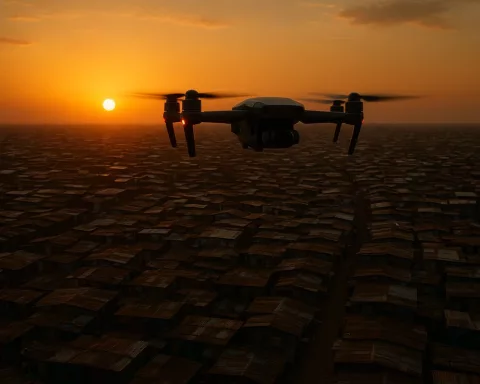
Corporate South Africa has stopped clapping from the sidelines. Sasol ring-fenced R120 million to buy minority stakes in alumni ventures, never exceeding twenty-five percent and exiting after seven years. Standard Bank lends article clerks who spend Saturday mornings balancing spreadsheets on tablets the learners keep once the cashflow balances. Shoprite now sources forty-two percent of its private-label herbs from aquaponic graduates, paying via blockchain invoices that clear in twelve minutes rather than thirty days. When Deputy Minister Narend Singh signed an MoU giving DFFE a thirty-percent equity share in Primestars, the valuation metric was not rand but trees: every business that survives two years must plant 1 000 indigenous specimens, geo-tagged and drone-audited. Target: ten million by 2030; counter already tops one million.
4. After the Final Bell: Planes, Pivots and a Lantern that Won’t Go Off
Long after the dignitaries’ selfies fade, the stadium lights stay on – powered, predictably, by a lantern whose cells were pried out of discarded laptops by fourteen-year-olds in Daveyton. Matric leavers can now spend a paid “gap-year incubator” as junior partners inside established alumni firms, earning R5 500 a month while studying toward NQF-5 diplomas after hours. University-bound grads receive a “green scholarship” that tops NSFAS up to R45 000 annually, provided they mentor new teams forty hours each semester. Dropout rates among Primestars alumni sit at six percent, versus the national tertiary average of thirty-three; thirty-eight percent launch a second company within two years, often in unrelated sectors – proof that the course trains entrepreneurs, not one-trick inventors.
The network is spilling across borders. A Kenyan NGO will beta-test the standardised fly-house in Kisumu; a Senegalese incubator wants the Raspberry code for Dakar oyster monitoring. Back home, the Reserve Bank’s latest Beige Book credits “youth-driven green micro-enterprises” with adding R2.3 billion to informal GDP – triple the value of South Africa’s avocado exports. Even failures feed the machine: when an algae-biofuel reactor exploded in 2022 (green slime on the ceiling, zero injuries), the incident was live-tweeted, autopsied in a webinar and reborn as a fertiliser business that paid for itself in four months.
Critics warn of innovation fatigue and classroom time lost to side-hustle mania; one Limpopo district tried to ban Saturday sessions until parents threatened court. Primestars counters with on-call psychologists and annual “failure retreats” where teens burn prototypes and post letters to their future selves. None of this dims the larger trend: a generation once labelled “lost” is quietly rewriting supply chains, export codes and carbon budgets from the bottom up. As KG and Nthabiseng pack their shoebox of larvae and flash-drive of code, their real prize is already circulating – an open-source blueprint for climate-smart business that fits in a backpack and feeds anyone willing to try.
[{“question”: “What is Township Labs and what is its mission?”, “answer”: “Township Labs is a South African initiative dedicated to transforming teenagers into eco-entrepreneurs. Its mission is to empower young individuals to identify environmental problems within their communities and develop sustainable, green business solutions. This is achieved by providing comprehensive training, mentorship from experts, and crucial financial support, thereby fostering a green economy from the grassroots up.”}, {“question”: “How do teenagers participate in Township Labs programs?”, “answer”: “Teenagers can participate in Township Labs programs through the \”Step Up 2 a Green Start-Up\” curriculum, which is integrated into 1,500 schools and reaches 130,000 learners annually. Entry is open not just to top students, but to any quartet of teens who can identify a local environmental issue and develop a prototype that demonstrates financial viability within twelve months. This inclusive approach encourages broad participation and innovative problem-solving.”}, {“question”: “What kind of support do participants receive?”, “answer”: “Participants receive a wide range of support, including hands-on training, expert mentorship from professionals (including NASA-trained remote-sensing doctors and successful alumni entrepreneurs), and financial backing. Finalists in competitions like the Primestars National Youth Entrepreneurship Awards can receive \”green wallets\” with micro-grants. Government agencies also provide support by streamlining licensing processes and offering franchise packs to help winning teams scale their businesses. Additionally, corporate partners like Sasol and Standard Bank invest in alumni ventures and provide essential business services.”}, {“question”: “Can you give examples of successful projects from Township Labs?”, “answer”: “Certainly! Some notable successes include Aqualarv, a project by Kgothatso Mlangeni and Nthabiseng Radebe, which uses black-soldier-fly grubs to convert food waste into high-grade protein and fertilizer. Another is the \”Load-Shedding Lanterns,\” assembled from discarded UPS gadgets and old laptop batteries, which have sold over 42,000 units. There are also teens building floating fish-attractors from maize stalks and avocado-seed bioplastic, selling GPS coordinates to skippers. In 2022, Limpopo champions expanded their aquaponic container idea to 42 franchise units, highlighting the scalability of these innovations.”}, {“question”: “What impact has Township Labs had on the South African economy and environment?”, “answer”: “Township Labs has made a significant impact on both the economy and the environment. It has contributed R2.3 billion to the informal GDP through youth-driven green micro-enterprises, tripling the value of South Africa’s avocado exports. Environmentally, a compulsory life-cycle calculator ensures projects have a positive carbon payback. Furthermore, businesses that survive two years are required to plant 1,000 indigenous trees, with a target of ten million by 2030, already exceeding one million. The program also boasts a low dropout rate for its alumni in tertiary education and a high rate of launching second companies, indicating a strong entrepreneurial spirit.”}, {“question”: “How is Township Labs ensuring the long-term success and scalability of its initiatives?”, “answer”: “Township Labs employs several strategies to ensure long-term success and scalability. It provides a paid \”gap-year incubator\” for matric leavers within established alumni firms, coupled with scholarships for university-bound grads who mentor new teams. The program’s curriculum is dynamic, adapting to current challenges like rolling blackouts, which led to the development of the popular \”Load-Shedding Lanterns.\” Partnerships with government agencies like the Department of Small Business Development allow for the creation of \”copy-and-paste franchise packs,\” enabling successful models to be replicated across different towns. Furthermore, corporate investment and a focus on open-source blueprints facilitate the spread of climate-smart business ideas, even across national borders to countries like Kenya and Senegal.”}]