The Emergence of Modern Humans: The Pleistocene Occupation Sites of South Africa has been proposed for UNESCO World Heritage status. The technical evaluation mission was recently hosted in collaboration with the National Department of Forestry, Fisheries and the Environment, the Department of Cultural Affairs and Sport (DCAS), Heritage Western Cape, KZN Amafa, and the Research Institute. The mission aimed to assess the three remarkable sites from the Pleistocene epoch in South Africa.
The Sites
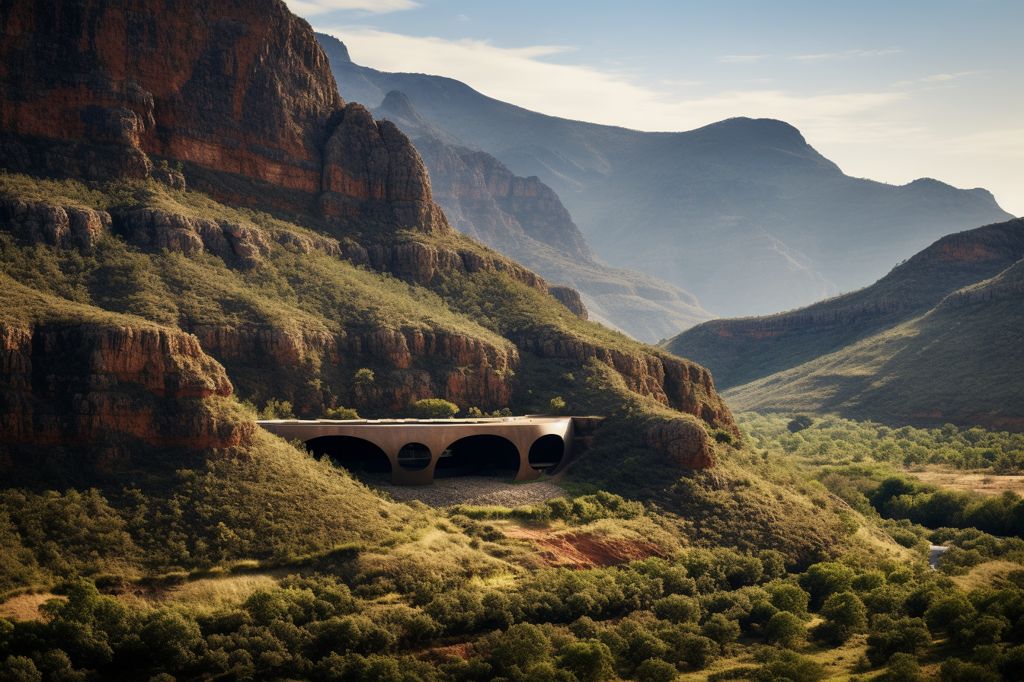
These sites include the Diepkloof Rock Shelter in Piketberg, Western Cape; the Pinnacle Point Site Complex in Mossel Bay, Western Cape; and the Sibhudu Cave in Durban, KwaZulu-Natal. Together, they present evidence of the emergence of modern human behavior dating back around 162,000 years. The rich findings from these sites provide invaluable insight into the essence of human identity and contribute significantly to the field of archaeology.
The Assessment Team
The assessment team consisted of representatives from Wesgro and the South African Heritage Resources Agency (SAHRA), accompanied by two ICOMOS experts who appraised the three sites. Michael Janse van Rensburg, CEO of Heritage Western Cape, highlighted the significance of these site nominations as a remarkable testament to inter-provincial cooperation and collaboration. He added that the nomination showcases South Africa’s unique and precious heritage on the global stage.
Excitement for the Future
Wrenelle Stander, CEO of Wesgro, expressed excitement about having two of the Western Cape’s prized heritage sites included in the UNESCO World Heritage nomination. Stander pointed out that these sites not only provide a unique insight into the history and culture of the region but also promote cultural tourism. She encouraged visitors to embark on a journey back in time to trace the origins and development of human culture over the past 100,000 years and discover some of humanity’s earliest uses of symbolism, art, and technology.
Commitment to Preservation
The Department of Cultural Affairs and Sport (DCAS) remains committed to supporting endeavors that promote and preserve the nation’s natural heritage. This dedication is exemplified in the collaboration between various agencies and organizations in the nomination process, highlighting the importance of unity in preserving and sharing South Africa’s treasured history.
Continuing the Journey
The ongoing evaluation and nomination process for these sites underscores the significance of South Africa’s role in uncovering the origins of modern human behavior. It also provides a platform for the nation to showcase its rich cultural heritage. By preserving and promoting these sites, future generations will remain connected to their past and continue to unravel the mysteries surrounding the emergence of modern humans. As we step into the fascinating world of the Pleistocene epoch, the story of our species’ development unfolds before our eyes, revealing the complex tapestry of human history, ultimately leading to our present-day existence.