
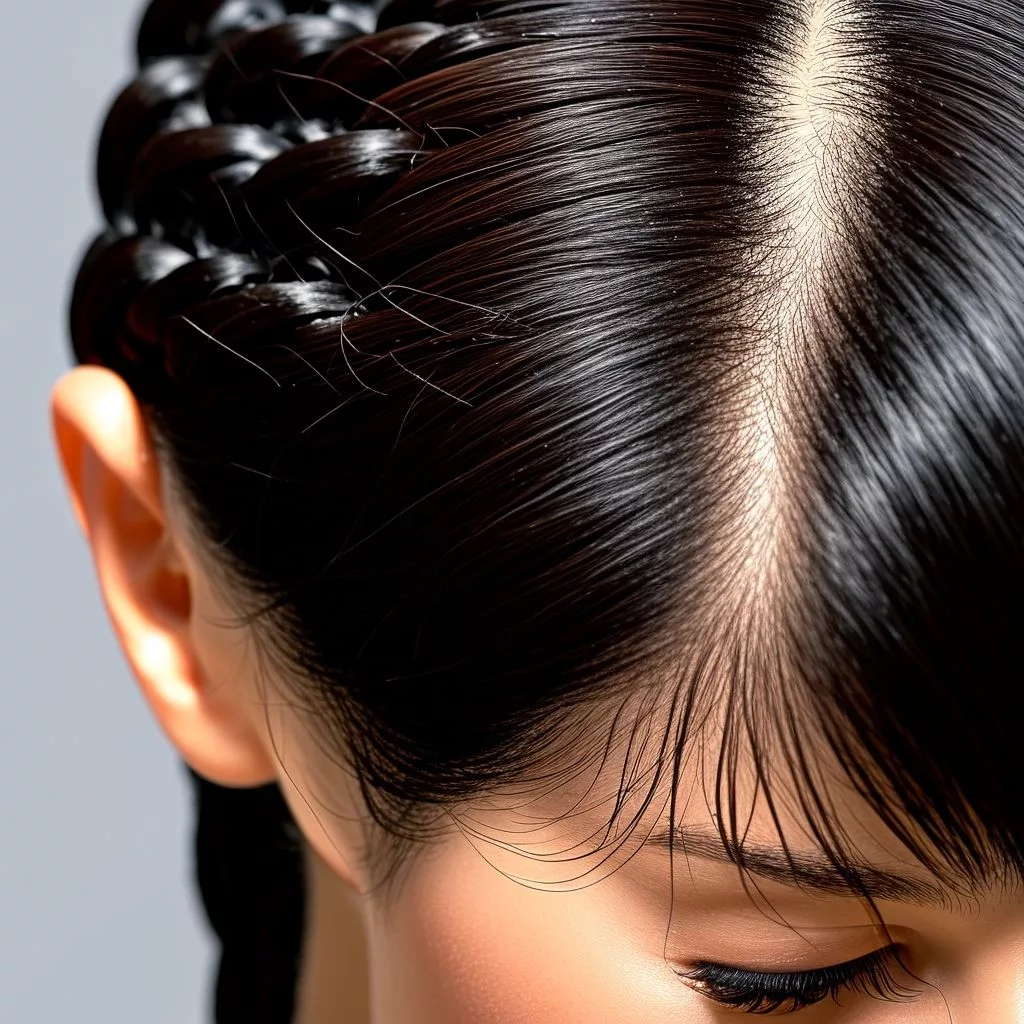
Traction alopecia is hair loss caused by pulling hair too tight in styles like braids, ponytails, or wigs. While these looks celebrate culture and beauty, they can hurt hair follicles if done too tightly or left too long. To keep hair healthy, it’s important to avoid tight styles, change hairstyles often, keep the scalp clean and moisturized, and give the scalp time to rest. With careful care and new treatments, people can protect their hair while still enjoying stylish looks.
What is traction alopecia and how can it be prevented?
Traction alopecia is hair loss caused by repeated tension on hair follicles from tight hairstyles like braids, ponytails, or wigs. To prevent it:
– Avoid overly tight styles
– Rotate hairstyles regularly
– Maintain scalp hygiene with gentle cleansing
– Use moisturizing products
– Allow scalp rest between styles.
The Hidden Costs of Stylish Tension
Across the world, hairstyling serves as a means of expression, celebration, and heritage. From the precise artistry of cornrows to the sleek allure of high ponytails and the seamless application of lace wigs, these looks both define cultural identity and foster individuality. For many, particularly women of African descent, hair becomes a visible testament to lineage and creativity. However, beneath these beautiful exteriors lies a risk that often goes unnoticed until it’s too late: traction alopecia.
Traction alopecia refers to hair loss caused by repeated tension placed on the hair follicles, most commonly along the edges and crown. For centuries, intricate styling, such as braids and cornrows, carried deep social meaning, from signaling marital status to indicating tribal affiliation. Throughout art and history, observers have admired these elaborate designs, but with beauty comes responsibility. The adage “pain is beauty” persists, yet experts now recognize that persistent scalp discomfort signals more than a temporary inconvenience—it heralds potential damage.
Dr. Fawzia Salie, a leading aesthetic physician at Aesthete Medical Aesthetics in Cape Town, has seen countless cases where stylish ambition leads to unintended hair loss. She explains that while protective styles—including wigs, braids, and weaves—shield the natural hair from environmental damage and over-manipulation, they can also inflict harm if installed too tightly or left in place for extended periods. Instead of preserving thickness, these practices often result in thinning hairlines, bald patches, and, in severe cases, irreversible follicle scarring.
Understanding Traction Alopecia: Causes and Culprits
At its core, traction alopecia stems from mechanical stress on the hair follicles. Healthy follicles rely on an intricate network of blood vessels and nerve endings to support growth and vitality. When hair is consistently pulled—whether into tight braids, slicked-back ponytails, or wigs anchored at the same spots—the underlying follicles stretch and weaken. Over time, this chronic tension can disrupt the growing cycle, ultimately causing hair to stop growing altogether in affected areas.
Several factors accelerate this process. First, the intensity and duration of tension matter greatly. Styles left in for too long without proper scalp care can dry out the scalp, prevent adequate cleansing, and stop critical nutrients from reaching the roots. Popular edge gels, particularly those with high alcohol content, may further exacerbate dryness and breakage. Failing to alternate between high-tension and relaxed hairstyles only compounds the issue, continuously exposing the follicles to stress without relief.
Product choice and styling tools also play a role. Many people reach for stiff brushes and strong-hold gels to smooth edges or create defined parts, unaware that these can scratch and irritate the skin. Over time, these seemingly harmless habits can contribute to the cycle of inflammation and hair loss.
The Double-Edged Sword of Protective Styling
Protective hairstyles—such as box braids, faux locs, and cornrows—rose in popularity for the very reason they promised to help: they reduce day-to-day manipulation, keep fragile ends tucked away, and shield the hair from heat and environmental exposure. These styles, deeply connected to cultural pride, can safeguard natural hair when approached thoughtfully.
However, as Dr. Fawzia points out, the true risk lies not in the protective style itself but in how it is installed, maintained, and rotated. She notes, “It’s not the braids or the wigs causing the problem, but how tightly they are done, how long they’re left in, and whether the scalp underneath is cared for.” Even the most protective style becomes hazardous if it causes pain, remains unwashed for weeks, or is reapplied without a period of rest.
Historical and artistic movements have long associated loose, flowing hair with vitality and freedom. In contrast, modern structured styles project strength but also expose the scalp to unique challenges. They serve as a reminder: every choice in styling carries direct consequences for scalp and follicle health.
Integrating Medical Insight: The Aesthete Method
To address the root causes and not just the surface symptoms of traction alopecia, Dr. Fawzia has developed a comprehensive treatment protocol at her clinic. Her approach blends advanced medical therapies with personalized education on hair and scalp care, providing patients with a clear path toward restoration and prevention.
Restoring Growth with Platelet-Rich Plasma (PRP) Therapy
Central to her protocol is PRP therapy, a treatment that taps into the body’s natural healing capabilities. The procedure involves drawing a small amount of the patient’s blood, spinning it in a centrifuge to extract plasma rich in platelets, and then injecting this concentrated solution into areas of thinning. These platelets contain growth factors that promote tissue repair and stimulate dormant follicles. Patients typically undergo monthly sessions over a four-month period, often observing a reduction in hair shedding and initial regrowth within the first few treatments.
Accelerating Recovery with Growth Factor Therapy
For individuals whose follicles require additional support, Dr. Fawzia utilizes topical growth factor treatments. These solutions, rich in more than 150 human-derived growth factors, work as messengers to normalize cell function, boost microcirculation, and foster an optimal environment for hair regrowth. This approach helps regulate the hair cycle, ensuring follicles are well-nourished and more resilient to styling stress.
Customizing Nutritional and Lifestyle Support
Recognizing the uniqueness of each patient, Dr. Fawzia tailors dietary supplementation and lifestyle recommendations according to specific bloodwork, hair type, and hormonal status. This individualized guidance bolsters keratin production, soothes inflammation, and restores depleted nutrients. She emphasizes the value of a balanced diet, adequate hydration, and restorative sleep, highlighting their subtle yet essential roles in maintaining healthy hair.
Practical Scalp Care: Building Healthy Habits
Effective hair care begins well before the first braid or wig is installed. Dr. Fawzia recommends starting with a thorough cleanse using a sulfate-free shampoo, followed by a deep-conditioning treatment to hydrate and strengthen the hair. During the wear of protective styles, she advises washing the scalp every one to two weeks to remove buildup and prevent dryness—especially crucial for those wearing wigs, which can trap sweat and debris.
Maintaining moisture levels remains important. Light oils or hydrating sprays can be misted directly onto the scalp to promote elasticity and comfort. After removing a protective style, gentle detangling and a three-to-four-week break allow the scalp to recover. Using a clarifying shampoo eliminates product residue, and deep conditioning supports the restoration of both strands and follicles. Reinstalling braids or weaves immediately skips this crucial recovery phase and risks ongoing damage.
Rethinking Routine Products and Styling Practices
Everyday rituals can either nurture or sabotage scalp health. Many edge gels, valued for their hold, contain harsh alcohols that dry out the scalp and increase susceptibility to breakage. Hard brushes, often used to create crisp hairlines, may injure delicate skin with repeated use. Dr. Fawzia recommends switching to softer tools, like toothbrushes, and rotating between gels and richer creams or butters to maintain hydration.
Variety in styling also proves essential. Continuously wearing tight ponytails or back-to-back braids subjects the same areas to constant tension. By alternating between structured and relaxed looks, individuals give their follicles necessary respite and reduce the risk of chronic damage.
Addressing Scalp Itch and Flaking
Persistent itching and flaking, particularly under wigs or braids, frequently arise from product buildup, dryness, or inflammation caused by tight styling. These conditions can create an environment hostile to healthy hair growth. Dr. Fawzia advises regular scalp cleansing—at least twice a month—alongside the use of scalp-specific leave-in conditioners and light oils or mists. For those dealing with ongoing discomfort or flaking, growth factor therapies may help restore normal follicle function, addressing both symptoms and underlying causes.
Her holistic approach recognizes that scalp wellness hinges on both proactive maintenance and thoughtful treatment. By treating the underlying irritation and nourishing the follicles, patients can achieve lasting improvements in both comfort and appearance.
Honoring the Art and Science of Hair Health
The path to restoring thinning hairlines draws from both tradition and innovation. Just as artists experiment with fresh techniques to capture new dimensions of beauty, modern physicians incorporate medical advances to solve persistent challenges. Dr. Fawzia’s work at Aesthete Medical Aesthetics demonstrates how blending these perspectives can empower individuals who once believed their hair loss was irreversible.
At its core, the lesson is about more than just restoring hair—it’s about cultivating an ecosystem where hair thrives. The scalp, like fertile earth, requires consistent care, patience, and respect. Only when this foundation is nurtured can the true artistry of styling flourish, allowing hair to grow strong and resilient, strand by strand. By striking a balance between self-expression and well-being, anyone can celebrate their unique beauty without sacrificing long-term health.
What is traction alopecia and what causes it?
Traction alopecia is a form of hair loss caused by repeated tension and pulling on hair follicles, commonly from tight hairstyles such as braids, ponytails, cornrows, and wigs. This continuous mechanical stress weakens follicles, particularly along the hairline and crown, disrupting the natural hair growth cycle and potentially leading to thinning hair, bald patches, or permanent follicle damage.
How can I prevent traction alopecia while still wearing protective or stylish hairstyles?
To prevent traction alopecia:
– Avoid overly tight hairstyles that cause scalp discomfort or pain
– Rotate hairstyles regularly to avoid prolonged tension on the same areas
– Maintain good scalp hygiene by washing the scalp every 1-2 weeks, especially when wearing wigs or braids
– Keep the scalp moisturized with light oils or hydrating sprays
– Allow your scalp time to rest between protective styles, ideally a 3-4 week break before reinstalling braids or weaves
– Use gentle styling tools, such as soft toothbrushes instead of stiff brushes
– Avoid or limit use of alcohol-based gels that dry out the scalp and hair
What treatments are available for those experiencing traction alopecia?
At Aesthete Medical Aesthetics, Dr. Fawzia Salie offers advanced treatment protocols including:
– Platelet-Rich Plasma (PRP) Therapy: A procedure injecting concentrated platelets from your own blood to stimulate dormant follicles and promote hair regrowth.
– Growth Factor Therapy: Topical treatments rich in human-derived growth factors that enhance cell function and microcirculation to support healthier follicles.
– Personalized Nutritional and Lifestyle Guidance: Tailored supplements, diet, and lifestyle modifications based on bloodwork and individual needs to support keratin production and scalp health.
These combined treatments address both symptoms and root causes, improving hair density and scalp condition over time.
How important is scalp care in managing and preventing traction alopecia?
Scalp care is crucial. A clean, hydrated scalp provides the optimal environment for hair follicles to thrive. Washing with sulfate-free shampoos and deep-conditioning treatments prevent buildup and dryness. Moisturizing regularly maintains elasticity and comfort. After removing protective styles, gentle detangling and clarifying shampoos help restore scalp balance. Neglecting scalp hygiene can lead to itching, flaking, inflammation, and exacerbate hair shedding.
Can everyday hair products contribute to traction alopecia?
Yes. Many styling products, especially edge gels with high alcohol content, can dry out the scalp and cause breakage. Frequent use of stiff brushes or hard tools to create defined edges may irritate or injure the skin. To reduce risk, switch to softer tools and alternate products that provide moisture, such as creams and butters. Being mindful of product ingredients and usage habits supports healthier hair and scalp.
Is traction alopecia reversible, and how long does recovery take?
Traction alopecia can be reversible if caught early and managed properly with lifestyle changes and medical treatments. Recovery time varies depending on severity but patients often notice a reduction in hair shedding and initial regrowth within a few months of therapies like PRP. However, if follicles become scarred from long-term damage, hair loss may be permanent. Preventative care and early intervention are key to preserving hair health and encouraging regrowth.
If you have more questions about managing traction alopecia or want personalized advice, consulting a hair and scalp specialist like Dr. Fawzia at Aesthete Medical Aesthetics can provide tailored support.