Cape Town’s Urban Mobility Directorate is proposing to transform Acacia Road in Kraaifontein into a one-way street to tackle traffic congestion and improve accessibility for local businesses. The proposal is part of a democratic process that encourages public participation, with feedback and suggestions being accepted until 27 September 2024. The city is also providing various avenues for inclusivity and transparency, such as information days and detailed plans on their website. The proposal reflects the city’s commitment to involve its citizens in shaping the future of urban mobility in Cape Town.
Can Cape Town’s One-Way Road Proposal Transform Acacia Road in Kraaifontein?
To tackle the issue of traffic congestion, Cape Town’s Urban Mobility Directorate is proposing to reconfigure Acacia Road in Kraaifontein Industria into a one-way street. This proposal aims to ensure uninterrupted access to businesses in the area and alleviate accessibility issues. The city is encouraging public participation and has put in place various avenues for feedback and suggestions. The proposal reflects the city’s commitment to co-operate with its residents in moulding the city’s urban mobility future, while also adhering to democratic norms.
Urban Mobility and Traffic Congestion
In an age where urban mobility is of paramount importance, Cape Town’s city administration is steering towards a new course of action. To alleviate traffic congestion, the city’s Urban Mobility Directorate has proposed the reconfiguration of Acacia Road in Kraaifontein Industria into a one-way street.
Acacia Road, a significant conduit in Kraaifontein’s industrial core, is continuously bustling with activity. The road, currently accommodating two-way traffic, is used by a variety of users, including local residents, businesses, and transient traffic. Nevertheless, the surge in traffic volume, particularly during rush hours, has constricted accessibility and affected businesses that largely rely on walk-in customers.
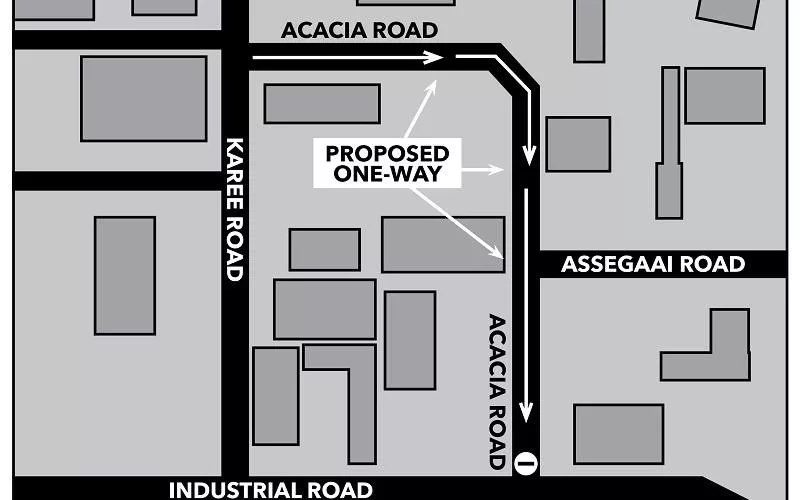
To circumvent this issue, city authorities have presented a plan to permanently modify the flow of Acacia Road traffic in a clockwise direction. This proposed adjustment doesn’t only serve as a traffic solution, but also as a measure to ensure uninterrupted access to businesses functioning in the area. Nonetheless, this proposal is not yet conclusive. It is a component of a democratic process that encourages active involvement from residents and businesses to contribute their viewpoints and suggestions.
Public Participation and Democracy
Councillor Rob Quintas, the city’s Mayoral Committee Member for Urban Mobility, voiced this sentiment, calling on the public to express their thoughts on the suggested plan. He assured that city officials would consider all feedback received before proceeding with the plan.
This democratic process is encapsulated in Section 17 of the Local Government: Municipal Systems Act, Act 32 of 2000, which promotes public involvement in municipal decision making. The period for submitting comments, suggestions, and input is open from 26 August to 27 September 2024.
To ensure inclusivity and accessibility, the city has put in place a variety of avenues, both digital and physical, for the public to convey their ideas – from email submissions to physical submissions at the Public Participation Unit in the Civic Centre and Subcouncil 2 Municipal Offices in Kraaifontein.
Accessibility and Transparency
The city will also host an information day on 10 September 2024 to provide interested parties an opportunity to gain more understanding about the proposal. Special assistance will be provided to those who are illiterate, individuals with disabilities, and other disadvantaged groups to ensure their viewpoints are noted and taken into account.
A detailed conversion plan, supported with a technical report and layout, is available on the city’s website, enhancing the transparency of the process. The public can also direct their questions to the city’s call centre or follow updates on X (previously known as Twitter) at @CityofCTAlerts.
Community Impact and Commercial Ecosystem
The suggestion to revamp Acacia Road into a one-way street is more than just a traffic management initiative. It’s also about cultivating a sense of community. The proposal reflects the city’s commitment to co-operate with its residents in moulding the city’s urban mobility future.
Furthermore, it takes into consideration the commercial ecosystem that heavily relies on the road for its day-to-day operations. If implemented, the conversion could potentially improve access to businesses, thus bolstering the local economy.
As Cape Town attempts to strike a balance between urban growth and mobility, the proposed transformation of Acacia Road presents a promising solution. It is a testament to the city’s proactive approach in tackling urban challenges, while also adhering to democratic norms and involving its citizens in the process.
However, the success of this proposal doesn’t only hinge on its execution but also on the active participation and input from the people it will affect. Therefore, the residents and businesses of Kraaifontein have a lot to contemplate before the submission deadline on 27 September 2024.
While the city anticipates the public’s judgement on this proposal, one thing is certain – the metamorphosis of Acacia Road is not merely a traffic problem; it’s an issue of urban progression and public participation – a delicate interplay between the city, its inhabitants, and the plan for future urban mobility in Cape Town.
What is the proposed solution to traffic congestion in Acacia Road, Kraaifontein and why?
The proposed solution to traffic congestion in Acacia Road, Kraaifontein is to reconfigure it into a one-way street. This is being proposed by Cape Town’s Urban Mobility Directorate to ensure uninterrupted access to businesses in the area and alleviate accessibility issues caused by the surge in traffic volume.
When is the deadline for feedback and suggestions on the proposed one-way road proposal in Acacia Road, Kraaifontein?
The deadline for feedback and suggestions on the proposed one-way road proposal in Acacia Road, Kraaifontein is 27 September 2024.
What avenues for inclusivity and transparency are being provided by the city for the proposed one-way road proposal in Acacia Road, Kraaifontein?
The city is providing various avenues for inclusivity and transparency for the proposed one-way road proposal in Acacia Road, Kraaifontein. These include information days, email and physical submissions, a technical report and layout available on the city’s website, and special assistance for those who are illiterate, individuals with disabilities, and other disadvantaged groups.
What is the democratic process being followed for the proposed one-way road proposal in Acacia Road, Kraaifontein?
The proposed one-way road proposal in Acacia Road, Kraaifontein is part of a democratic process that encourages public participation. Feedback and suggestions are being accepted until 27 September 2024, and all input received will be considered by city officials before proceeding with the plan. The process is encapsulated in Section 17 of the Local Government: Municipal Systems Act, Act 32 of 2000, which promotes public involvement in municipal decision making.
How will the proposed one-way road proposal in Acacia Road, Kraaifontein impact the community and local economy?
The proposed one-way road proposal in Acacia Road, Kraaifontein is more than just a traffic management initiative. It takes into consideration the commercial ecosystem that heavily relies on the road for its day-to-day operations and could potentially improve access to businesses, thus bolstering the local economy. Additionally, it reflects the city’s commitment to co-operate with its residents in moulding the city’s urban mobility future.
Where can the public direct their questions about the proposed one-way road proposal in Acacia Road, Kraaifontein?
The public can direct their questions about the proposed one-way road proposal in Acacia Road, Kraaifontein to the city’s call centre or follow updates on X (previously known as Twitter) at @CityofCTAlerts.