Cape Town is launching an exciting program called Title Deed-to-Door, aiming to give nearly 10,000 families a piece of land they can truly call their own. This initiative tackles the unfairness of the past, helping people feel secure and allowing them to build a brighter future. Stories from local residents, like Deon Carelse and Mark de Jongh, show how receiving a title deed means more than just ownership; it brings hope and stability to their lives. With strong community support and leaders committed to change, Cape Town is on a path to create a fairer, more equal city for everyone.
What is the Title Deed-to-Door program in Cape Town?
The Title Deed-to-Door program in Cape Town aims to transform land ownership by distributing nearly 10,000 title deeds to residents. This initiative addresses historical inequalities, promotes economic empowerment, and fosters community stability, ensuring a more equitable future for all citizens through innovative public policy.
Cape Town is embarking on a journey to redefine its socio-economic framework through a groundbreaking initiative that promises to reshape the future of its residents. The Title Deed-to-Door program, a testament to innovative public policy, seeks to address the deep-seated inequalities in land ownership that have persisted in South Africa for decades. This initiative goes beyond bureaucratic reform; it aims to create a lasting impact on individuals and communities, offering them a tangible stake in the city’s future.
The Legacy of Land Reform in South Africa
Land reform in South Africa has a complex history, fraught with challenges ranging from bureaucratic delays to historical injustices rooted in past regimes. Yet, the City of Cape Town’s current initiative marks a hopeful departure from these struggles. Drawing inspiration from the Reconstruction and Development Programme (RDP) of the mid-1990s, which emphasized equitable land access and formal housing, this initiative strives to fulfill the promises of post-apartheid reforms. By addressing the root causes of inequality rather than just its symptoms, this program aims to bring about real change.
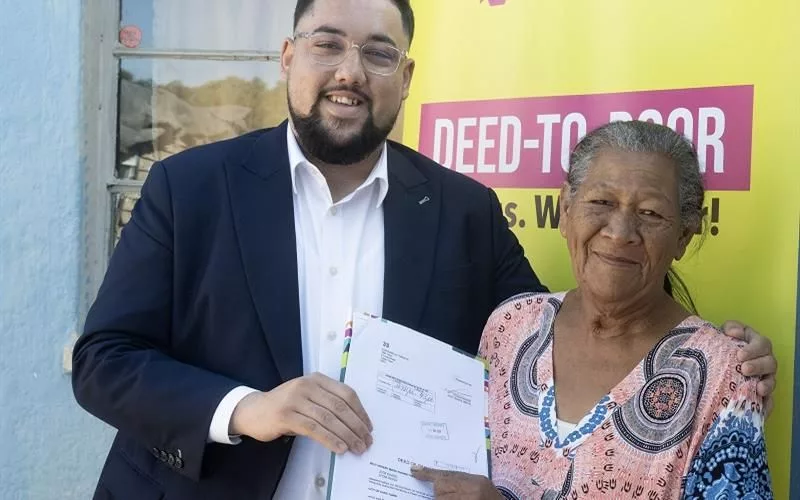
Heartwarming stories from communities like Bishop Lavis highlight the program’s success. Recently, twelve families in this area became proud holders of title deeds, illustrating the initiative’s profound impact. Residents like Deon Carelse exemplify the personal significance of receiving a title deed. For Carelse and his family, this document represents years of anticipation finally realized, symbolizing ownership, security, and a future full of opportunities.
Personal Stories of Transformation
Mark de Jongh, another recipient, shares a similar sentiment. For his family, the title deed is more than a legal document; it is a promise of permanence and stability in a community that has long desired such assurance. These individual narratives contribute to a larger story of transformation that Cape Town is crafting – a story that redefines the bond between its residents and the land they call home.
Councillor Carl Pophaim, the mayoral committee member for Human Settlements, plays a crucial role in this transformative journey. His dedication to equitable land reform emphasizes creating communities where opportunity is a right, not a privilege. Pophaim’s vision extends beyond the mere distribution of title deeds; he envisions these documents as gateways to economic empowerment and social stability, marking a new chapter in many lives.
The program’s ambitious goal to distribute nearly 10,000 title deeds reflects Cape Town’s commitment to change. This proactive approach mirrors the sweeping social reforms of the New Deal era in the United States, where government efforts aimed to establish a more inclusive socio-economic order. Cape Town’s initiative aspires to do the same, resetting the dynamics of land ownership in favor of a more equitable future.
Overcoming Challenges and Building a Brighter Future
Despite its promise, the Title Deed-to-Door program faces significant challenges. The logistical demands are vast, requiring coordination across multiple city departments. Achieving targets while preserving the integrity of each process mirrors the trials faced by urban planners during the rapid industrialization of the late 19th and early 20th centuries. Yet, the enthusiasm and commitment of leaders like Councillor Pophaim suggest that Cape Town is on a promising trajectory.
The broader implications of this initiative resonate with global discussions on land reform and urban development. As cities worldwide grapple with issues of affordability and accessibility, Cape Town’s approach offers valuable insights into the potential of local government-led initiatives. This underscores the importance of innovative governance that not only addresses immediate needs but also paves the way for sustainable, long-term growth.
A key feature of the program is its emphasis on accessibility. Residents affected by this initiative have clear communication channels with the city’s Human Settlements team, ensuring transparency and responsiveness. This approach reflects a democratic ethos, adapting governance to the voices and needs of its constituents – an ethos that parallels emerging participatory governance models in urban centers globally.
A Beacon of Progressive Policy-Making
As the program continues to unfold, its impact on individual lives becomes increasingly apparent. Holding a title deed brings a profound sense of ownership and belonging, bridging the aspirations of the past with the potential of the future. This is a bridge that Cape Town is committed to constructing – one deed at a time.
The Title Deed-to-Door program stands as a beacon of progressive policy-making, a reminder that with vision, commitment, and community involvement, meaningful change is not just possible; it is inevitable. Through this initiative, Cape Town is not only transforming its urban landscape but also rewriting the stories of its residents, ensuring that the narrative of land ownership is one of inclusion and equity.
FAQ about the Title Deed-to-Door Program in Cape Town
What is the Title Deed-to-Door program in Cape Town?
The Title Deed-to-Door program in Cape Town is an initiative aimed at distributing nearly 10,000 title deeds to residents, addressing historical inequalities in land ownership. This program promotes economic empowerment, community stability, and a more equitable future for all citizens through innovative public policy.
Why is the Title Deed-to-Door program important?
This program is crucial because it addresses the longstanding injustices related to land ownership in South Africa. By providing residents with title deeds, it empowers them, fosters a sense of security, and contributes to building a more equal society. The initiative is a step towards redressing past wrongs and creating opportunities for a brighter future.
How does the Title Deed-to-Door program reflect South Africa’s history of land reform?
The program draws inspiration from the Reconstruction and Development Programme (RDP) of the mid-1990s, which aimed for equitable land access and formal housing. By tackling the root causes of inequality rather than just its symptoms, the Title Deed-to-Door program represents a hopeful departure from the challenges faced in previous land reform efforts in South Africa.
What personal stories illustrate the impact of the program?
Residents like Deon Carelse and Mark de Jongh share transformative experiences related to receiving their title deeds. For them, these documents symbolize ownership, stability, and a promise of a better future. Their stories highlight the program’s broader impact on the community and the hope it instills in families striving for a secure and permanent home.
What challenges does the Title Deed-to-Door program face?
The program encounters significant logistical challenges, requiring coordination across various city departments to effectively distribute the title deeds. Successfully overcoming these hurdles while maintaining the integrity of the process is essential for achieving the program’s ambitious goals.
How does the program ensure accessibility for residents?
The Title Deed-to-Door program emphasizes clear communication channels between residents and the city’s Human Settlements team. This dedication to transparency and responsiveness reflects a democratic ethos, allowing for participatory governance which adapts to the needs and voices of the community, ensuring that residents remain informed and engaged throughout the process.