Cape Town’s Zandvliet Wastewater Treatment Works has undergone a major upgrade, transforming it into a powerhouse of wastewater management. Now, it can handle an impressive 90 million liters of wastewater every day, while also meeting national standards 90% of the time, up from just 50%. This upgrade introduces advanced technology to improve water quality and supports the city’s goal of creating a reliable water supply. With a vision for the future, Zandvliet is set to play a key role in ensuring Cape Town thrives sustainably, even amid climate challenges.
What are the key benefits of the Zandvliet Wastewater Treatment Works upgrade?
The Zandvliet Wastewater Treatment Works upgrade offers several key benefits:
– Increased capacity to process 90 million liters of wastewater daily
– Improved compliance with national standards, rising from 50% to 90%
– Integration of advanced treatment technology for higher effluent quality
– Enhanced water security by facilitating potable water supply through the Faure New Water Scheme.
A New Era for Zandvliet Wastewater Treatment Works
The Zandvliet Wastewater Treatment Works (WWTW) in Cape Town has reached a pivotal moment in its history with the completion of a transformative upgrade. This overhaul signifies a major leap forward in the management of wastewater, reflecting the City of Cape Town’s dedication to sustainable urban development and environmental responsibility. An investment of R2 billion facilitated this advancement, culminating in a modernization of the plant that has enhanced its capacity to process an impressive 90 million liters of wastewater daily.
Cape Town witnessed rapid urban growth, particularly in areas like Khayelitsha, Delft, and Kuils River, which placed significant stress on Zandvliet’s infrastructure. Historically, the plant struggled with outdated systems that barely managed a 50% compliance rate with national standards. The recent upgrade addressed these pressing challenges directly, elevating the facility’s compliance to a remarkable 90%. This achievement ensures that Zandvliet now meets the stringent requirements outlined by the National Department of Water and Sanitation.
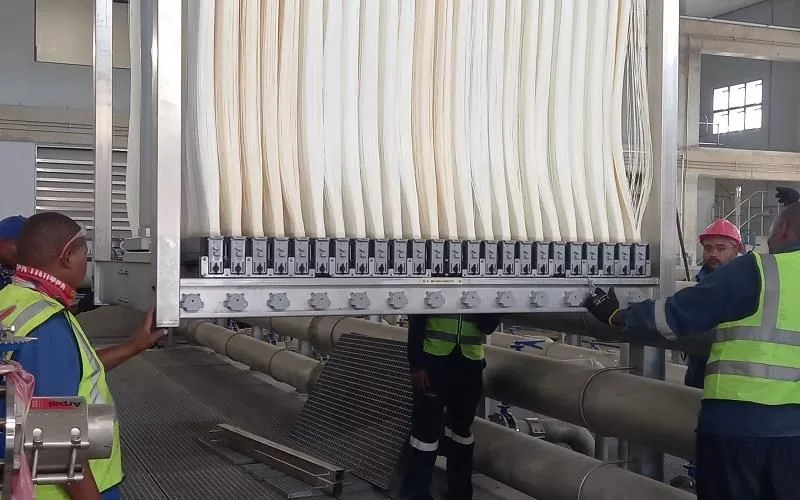
The upgrade introduced cutting-edge technology, including a sophisticated membrane treatment module that has propelled Zandvliet to the forefront of wastewater management. Enhancements such as the expansion of the membrane bioreactor system and the refurbishment of existing infrastructure have led to substantial improvements in effluent quality. Integral to this process, primary sedimentation ensures the treated water is not only suitable for discharge but also holds potential for reuse in the future.
Aligning with Cape Town’s Vision for Water Security
The modernization of Zandvliet WWTW aligns seamlessly with Cape Town’s comprehensive water strategy, embodied by the New Water Programme. This forward-thinking initiative envisions the integration of high-quality treated effluent from Zandvliet into the city’s potable water supplies. The effluent will be transferred to the proposed Faure New Water Scheme, where an advanced purification process will treat it to meet drinking water standards before it joins the city’s water distribution network. This proactive approach seeks to bolster water security amid climate unpredictability and potential drought scenarios.
Councillor Zahid Badroodien, a driving force behind this transformation, highlights the long-term vision embedded in these upgrades. Future plans for Zandvliet include expanding its capacity by an additional 60 million liters, focusing on enhancements in sludge treatment and energy recovery. Scheduled to commence in the 2034/2035 financial year, this project underscores Cape Town’s commitment to sustainable infrastructure poised to tackle future challenges effectively.
The substantial investment in Zandvliet WWTW forms part of a broader strategy to upgrade infrastructure across Cape Town’s wastewater facilities. Water and sanitation projects account for an impressive 42% of a massive R120 billion infrastructure pipeline planned over a decade. This strategic commitment ensures that Cape Town’s infrastructure will not only keep up with urban growth but also lead in innovation and efficiency.
A Commitment to a Sustainable Future
Cape Town’s investment plan encompasses a range of enhancements across key wastewater facilities. For the 2024/25 financial year, the city has allocated R2 billion for the expansion and upgrading of other WWTWs. This includes replacing the aeration system at Wesfleur and upgrading the mechanical sludge dewatering facility at Wildevoëlvlei. Each component of this comprehensive plan marks a step towards accommodating increased demand from population growth and advancing Cape Town towards a greener, more sustainable future.
The story of Zandvliet WWTW stands as a beacon of the transformative power of strategic planning and infrastructure investment. It embodies a fusion of cutting-edge technology and visionary policymaking that equips Cape Town to confront future challenges head-on. As the city continues to evolve, its dedication to sustainable and efficient infrastructure development remains unwavering, ensuring a resilient and thriving urban environment for generations to come.
FAQ: Transforming Cape Town’s Wastewater Management
What improvements have been made to the Zandvliet Wastewater Treatment Works?
The Zandvliet Wastewater Treatment Works has undergone a major upgrade, allowing it to process 90 million liters of wastewater daily. This upgrade has increased compliance with national standards from 50% to 90%, integrated advanced treatment technologies, and enhanced water quality and security.
How does the Zandvliet upgrade align with Cape Town’s water security goals?
The modernization of Zandvliet aligns with Cape Town’s New Water Programme, which aims to integrate high-quality treated effluent into the city’s potable water supplies. The treated effluent will undergo further purification at the proposed Faure New Water Scheme to meet drinking water standards.
What technologies were introduced in the Zandvliet upgrade?
The upgrade introduced cutting-edge technologies, including a sophisticated membrane treatment module and an expanded membrane bioreactor system. These advancements have significantly improved effluent quality and overall wastewater management efficiency.
What future plans are there for the Zandvliet facility?
Future enhancements for Zandvliet include plans to expand capacity by an additional 60 million liters and improvements in sludge treatment and energy recovery. This expansion is scheduled to start in the 2034/2035 financial year.
How does the upgrade impact Cape Town’s infrastructure development?
The Zandvliet upgrade is part of a broader strategy to enhance Cape Town’s wastewater infrastructure, which includes a R120 billion investment pipeline over the next decade. Water and sanitation projects account for 42% of this funding, ensuring the city can keep pace with urban growth and innovate in infrastructure development.
What is the significance of the Zandvliet upgrade for Cape Town’s sustainability efforts?
The Zandvliet Wastewater Treatment Works upgrade is a critical component of Cape Town’s commitment to sustainable urban development. By combining advanced technology with strategic infrastructure investment, it helps ensure a reliable water supply, improves environmental responsibility, and prepares the city for future climate challenges.