
Cape Town is on a mission to change how people get around the city, focusing on safer and greener travel options. The plan includes building better sidewalks, bike lanes, and features that help everyone, including those with disabilities, move easily. This exciting project invites residents to share their thoughts and ideas, ensuring that the changes meet community needs. As Cape Town embraces this vision for sustainable transport, it aims to create a healthier, more connected, and vibrant place for all its people.
What is Cape Town’s vision for sustainable transport?
Cape Town’s vision for sustainable transport focuses on enhancing non-motorised transport (NMT) infrastructure to promote accessibility and safety. Key elements include upgrading pedestrian pathways, establishing cycle lanes, and ensuring universal accessibility, all aimed at fostering healthier, more inclusive urban mobility for residents.
Building a Sustainable Future in Cape Town
Cape Town’s dynamic landscape is on the brink of transformation as the city government unveils a visionary project intended to revolutionize urban mobility in the neighborhoods of Brackenfell, Kraaifontein, Wallacedene, and Bloekombos. This groundbreaking initiative aims to enhance the non-motorised transport (NMT) infrastructure within these communities, marking a decisive step toward integrating sustainable transportation into the city’s urban framework. The project symbolizes a blend of historical respect with modern advancements, highlighting Cape Town’s dedication to creating accessible and secure mobility for all its residents.
The initiative emerges amidst a global shift toward sustainable transport solutions, addressing both international trends and local demands. With an emphasis on upgrading pedestrian pathways and establishing cycle lanes, the city seeks to foster a safer and more inclusive environment for its residents. This project is timely, as urban centers worldwide face mounting challenges related to congestion and pollution, akin to the early 20th-century modernist movement’s efforts to redefine urban living.
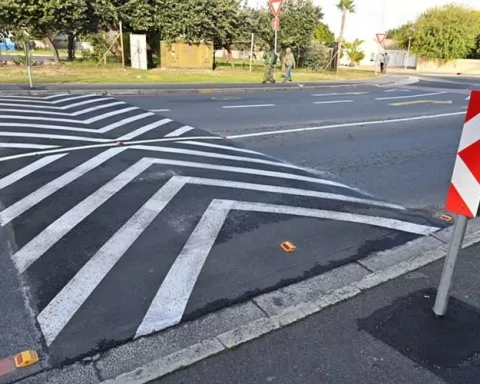
A core element of the proposal is its unwavering commitment to universal accessibility. Planned features include the installation of dropped kerbs and tactile ground surface indicators, which significantly enhance mobility for visually impaired individuals. This aspect of the project resonates with the Bauhaus movement’s philosophy, which emphasized functionality and accessibility in design to serve all members of society.
Prioritizing Safety and Health
Safety is a cornerstone of the proposal, with a strong focus on pedestrian welfare. By implementing measures such as reduced pedestrian crossing distances and improved road markings and signage, Cape Town aims to minimize accidents and encourage a pedestrian-friendly atmosphere. These efforts align with the principles of the New Urbanism movement, which advocates for walkable neighborhoods designed to foster community interaction and decrease reliance on motor vehicles.
The introduction of cycle lanes where applicable further underscores the project’s comprehensive approach. This initiative not only promotes cycling as a viable mode of transport but also encourages a healthier lifestyle. The resurgence of cycling in urban centers worldwide mirrors the eco-conscious ethos of the contemporary Green Urbanism movement, which prioritizes environmental sustainability in urban planning.
Councillor Rob Quintas, the Mayoral Committee Member for Urban Mobility, eloquently outlined the project’s vision, stressing its strategic and collaborative nature. He emphasized the importance of public participation in ensuring that the final design aligns with community needs. His call to action encourages residents to engage with the proposal, invoking the participatory spirit of the Arts and Crafts movement, where community involvement played a crucial role in design processes.
Engaging the Community: A Call to Action
To facilitate ongoing dialogue, the city has scheduled community information sessions, with the next meeting set for February 18, 2025, at the Eikendal Library. These sessions provide a platform for residents to express their opinions, fostering an inclusive decision-making process. The roads earmarked for enhancement span a comprehensive network from Ntabeko Street to Frans Conradie Drive, illustrating the project’s extensive reach and its potential to connect key areas within these neighborhoods. Each street, with its unique character and history, stands to benefit from these upgrades, enriching the daily commutes of residents and enhancing the neighborhood experience.
The project’s digital component offers an accessible platform for residents to review designs and offer feedback through the city’s website at www.capetown.gov.za/haveyoursay. This online medium ensures transparency and inclusivity in the city’s planning process, utilizing technology to bridge the gap between policymakers and citizens. This approach reflects the broader digital transformation in civic participation, reminiscent of the Information Age’s impact on societal structures.
In addition to digital access, traditional participation methods remain available, allowing residents to submit comments via email, local libraries, and municipal offices. This multifaceted approach ensures that every voice can contribute to the dialogue, regardless of technological access, underscoring the city’s commitment to democratic principles similar to the participatory governance models of the Enlightenment era.
Reflecting on Past and Future
As the project progresses, it not only addresses current urban challenges but also invites reflection on Cape Town’s historical journey. The city’s streets, pathways, and lanes have long served as conduits for cultural exchange, economic activity, and social interaction. Through the lens of this NMT initiative, one can envision a future where non-motorised transport becomes a central pillar of urban mobility, echoing the past while paving the way for a sustainable future.
Cape Town’s proposal to enhance NMT infrastructure represents more than a mere transportation project. It embodies a vision of urban mobility that harmonizes past and present, function and form, community and individuality. By inviting residents to participate in this transformative journey, the city underscores a collective commitment to shaping a resilient, accessible, and vibrant urban environment. As Cape Town moves forward with this initiative, it sets a precedent for other cities seeking to balance progress with sustainability in their urban planning efforts.
“`markdown
What is Cape Town’s vision for sustainable transport?
Cape Town’s vision for sustainable transport focuses on enhancing non-motorised transport (NMT) infrastructure to promote accessibility and safety. Key elements include upgrading pedestrian pathways, establishing cycle lanes, and ensuring universal accessibility, all aimed at fostering healthier, more inclusive urban mobility for residents.
How will the project improve urban mobility in specific neighborhoods?
The project aims to revolutionize urban mobility in neighborhoods like Brackenfell, Kraaifontein, Wallacedene, and Bloekombos by enhancing non-motorised transport (NMT) infrastructure. This will include upgrading pedestrian pathways and establishing cycle lanes to create a safer, more inclusive environment for residents, thereby connecting key areas within these communities.
How will safety be prioritized in the new transport plan?
Safety is a cornerstone of the proposal, focusing on pedestrian welfare through reduced crossing distances, improved road markings, and clear signage. These efforts are designed to minimize accidents and foster a pedestrian-friendly atmosphere, aligning with the concept of walkable neighborhoods that encourage community interaction and reduce reliance on motor vehicles.
What features will enhance accessibility for all residents?
The project includes features such as dropped kerbs and tactile ground surface indicators, significantly improving mobility for visually impaired individuals. The commitment to universal accessibility is a key aspect of this initiative, ensuring that everyone can navigate the urban environment safely and comfortably.
How can residents participate in the planning process?
Residents are encouraged to engage in the planning process through community information sessions and digital platforms. The next session is scheduled for February 18, 2025, at the Eikendal Library. Additionally, residents can provide feedback and review designs on the city’s website at www.capetown.gov.za/haveyoursay, or submit comments via email at local libraries and municipal offices.
What are the broader implications of the NMT initiative for Cape Town?
The NMT initiative represents a transformative approach to urban mobility that harmonizes past and present, function and form, and community and individuality. It not only addresses current urban challenges but also invites reflection on Cape Town’s historical journey, setting a precedent for other cities aiming to balance progress with sustainability in their urban planning efforts.
“`