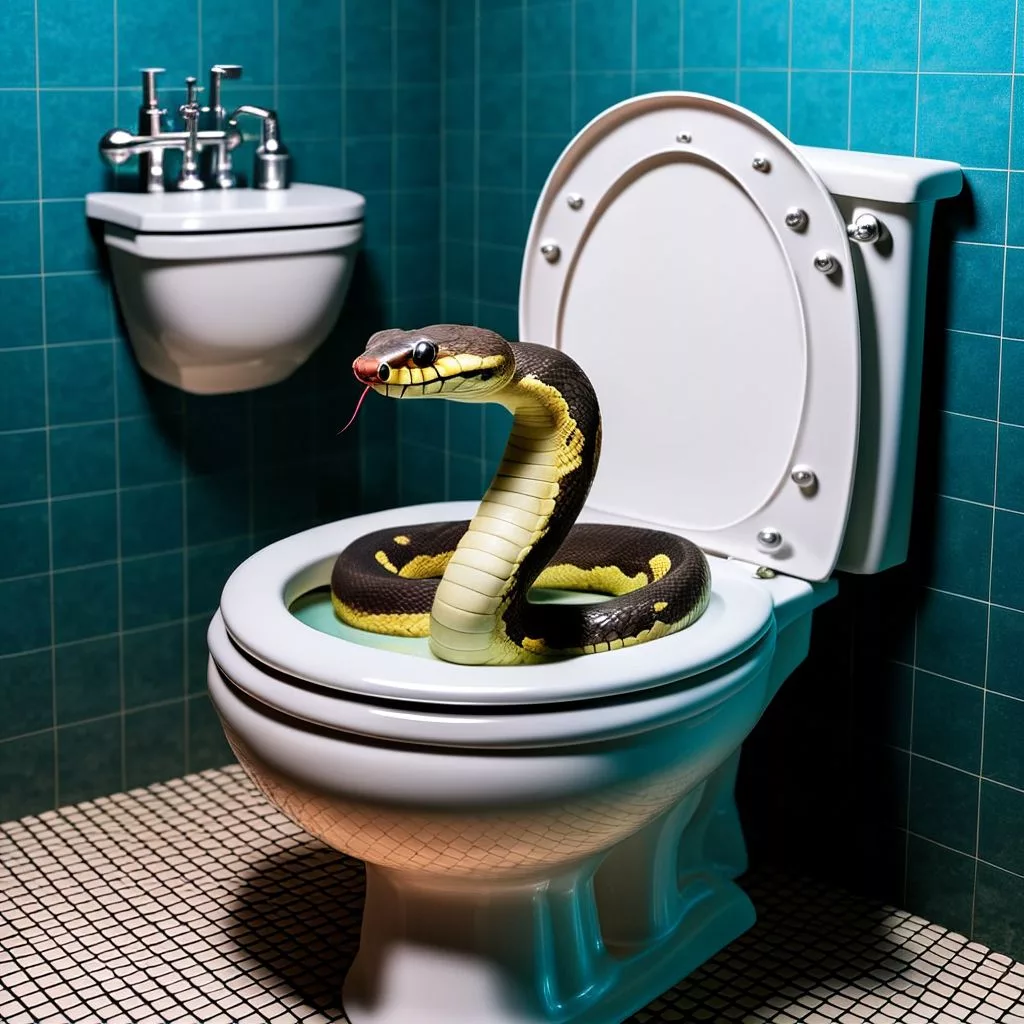
On a sunny afternoon, the Parklands family discovered a Cape cobra lounging in their toilet, startling them and highlighting the dangers of urban wildlife encounters. As homes expand into natural habitats, snakes like the Cape cobra are increasingly finding their way into neighborhoods. Quick-thinking Andrew MacLeod from Snake Relocation rushed to help, showcasing the urgent need for safety and preparedness in such situations. This incident also sheds light on a concerning antivenom shortage in South Africa, making it more important than ever for communities to stay aware and ready to handle wildlife interactions safely.
What should you do if you encounter a Cape cobra in your home?
If you encounter a Cape cobra in your home, follow these steps:
- Stay calm and keep a safe distance.
- Do not attempt to handle or provoke the snake.
- Contact a professional snake removal service immediately.
- Ensure your yard is tidy to minimize future encounters.
Being aware and prepared is crucial for safety.
A Startling Discovery
On a sunny Sunday afternoon, the Parklands family returned home from church only to find themselves face-to-face with an uninvited and dangerous guest. Upon entering their bathroom, they discovered a Cape cobra, a highly venomous snake indigenous to southern Africa, lying half-submerged in their toilet. This startling discovery set off a series of events that highlighted both the inherent danger and the intriguing nature of such wildlife encounters.
Cape Town, known for its rich biodiversity, increasingly witnesses such incidents due to urban development encroaching into natural habitats. The suburban area of Parklands has become particularly vulnerable to these encounters. As residential developments expand, they inadvertently push native reptiles out of their natural homes, forcing them to seek refuge in unconventional places—like a family bathroom.
Andrew MacLeod, the founder of Snake Relocation, responded swiftly to the Parklands family’s urgent call for help. With nine children under the age of thirteen in the house, the situation called for immediate action. MacLeod, who normally charges a fee for his services, prioritized the family’s safety without hesitation. Describing the task as a “five-minute” job, he efficiently removed the snake and later released it into a bushy area approximately two kilometers away from the residential zone.
The Growing Issue of Human-Wildlife Encounters
MacLeod’s rapid response showcased his expertise and commitment. His company, increasingly busy with snake removals, has become a vital player in balancing human expansion with wildlife conservation. According to MacLeod, his team captures around three to four snakes every week, a statistic that underscores the frequency of these encounters.
This rise in snake sightings has not gone unnoticed. MacLeod has urged residents to stay vigilant, especially during late spring and summer when warmer temperatures make snakes more active. He offers practical advice: maintain a tidy yard free of rubble and man-made shelters, and avoid artificial water features that attract prey like mice and frogs. Additionally, MacLeod dispels the myth that commercial chemicals can repel snakes, stating that his company’s tests have proven these products ineffective.
At the heart of these encounters lies a more troubling issue: the impact of urban sprawl on local wildlife. As cities like Cape Town continue to expand, the need for a thoughtful approach to wildlife management becomes increasingly crucial. Experts like MacLeod are not only essential for the immediate removal of dangerous animals but also play a critical role in educating the public on coexisting with these creatures.
Antivenom Shortage: A Looming Crisis
The Parklands family’s encounter with the Cape cobra unfolded against the backdrop of another pressing concern: a shortage of antivenom in South Africa. The South African National Health Laboratory Service (NHLS) recently revealed that its antivenom stockpiles, except for boomslang bites, had been depleted. This shortage is attributed to extensive infrastructure and equipment upgrades at the South African Vaccine Producers (SAVP) facility. These renovations, which began in late 2024, faced delays due to postponed deliveries and stringent regulatory requirements for sterile manufacturing.
Mzi Gcukumana of the NHLS explained that the delays in the renovation project led to the depletion of antivenom reserves, putting thousands of South Africans and residents of several sub-Saharan countries at significant risk. The timing could not have been worse, as the Easter holidays mark the second peak of the snake season, a period already fraught with danger. The NHLS is working diligently to expedite the final stages of the renovations to resume antivenom production, but this gap has exposed the vulnerabilities in the healthcare system.
Michele Clarke of the Democratic Alliance highlighted alarming statistics to underscore the severity of the situation. South Africa records around 4,000 snakebites annually, with approximately 900 requiring hospitalization and 100 necessitating antivenom. Without timely administration of antivenom, a snakebite can be fatal within hours. The current shortage puts lives and limbs at unprecedented risk, emphasizing the urgency of resolving this issue.
A Wake-Up Call for Sustainable Development
The encounter with the Cape cobra serves as a microcosm of broader issues at play. It underscores the delicate balance between urban development and wildlife, the necessity of expert intervention in potentially lethal situations, and the wider implications of healthcare shortages. While Andrew MacLeod’s quick actions averted immediate danger, the incident serves as a stark reminder of the need for prepared and vigilant communities.
Cape Town, renowned for its natural beauty and biodiversity, stands at a crossroads. As urban development continues to encroach upon natural habitats, a thoughtful approach to wildlife management becomes imperative. Experts like MacLeod are increasingly vital, not just for removing dangerous animals but for educating the public on coexisting with wildlife.
Moreover, the antivenom shortage highlights the fragility of healthcare systems when faced with logistical and regulatory challenges. The NHLS’s efforts to resume antivenom production are commendable, yet the situation has revealed a critical gap that demands urgent attention. The stakes are undeniably high, and inaction could lead to dire consequences.
As Cape Town continues to grow, it must strive to harmonize its expansion with the preservation of its natural heritage. This involves not only protecting wildlife but also ensuring that healthcare infrastructure is robust enough to support the population in times of crisis. The story of the Cape cobra in the Parklands family’s toilet is more than just an unusual anecdote; it is a call to action for sustainable development and comprehensive healthcare preparedness.
“`markdown
FAQ
What should you do if you encounter a Cape cobra in your home?
If you encounter a Cape cobra in your home, stay calm and keep a safe distance. Do not attempt to handle or provoke the snake. Contact a professional snake removal service immediately. Additionally, ensure your yard is tidy to minimize future encounters.
Why are Cape cobras increasingly appearing in urban areas?
As urban development expands into natural habitats, snakes like the Cape cobra are increasingly finding their way into neighborhoods. This encroachment pushes native reptiles out of their homes, leading them to seek refuge in human dwellings, such as homes and bathrooms.
What is the role of snake removal services like Snake Relocation?
Services like Snake Relocation play a crucial role in managing human-wildlife interactions. They provide expert intervention during snake encounters, ensuring the safety of residents while relocating snakes to appropriate habitats. Their work also includes educating the public on wildlife coexistence and safe practices to minimize encounters.
Why is there a shortage of antivenom in South Africa?
The shortage of antivenom in South Africa is due to extensive renovations and upgrades at the South African Vaccine Producers (SAVP) facility, which led to the depletion of antivenom stockpiles. As the production faces delays due to regulatory requirements, many individuals are at significant risk, especially during peak snakebite seasons.
How serious is the antivenom shortage in relation to snakebites?
The antivenom shortage is a serious issue, with South Africa recording around 4,000 snakebites annually, leading to approximately 900 hospitalizations and 100 cases requiring antivenom. Without timely administration of antivenom, snakebites can be fatal within hours, placing lives at risk during this critical shortage.
What steps can communities take to prepare for potential wildlife encounters?
Communities can prepare for potential wildlife encounters by staying vigilant, especially during warmer months when snakes are more active. Keeping yards tidy, avoiding artificial water features, and dispelling myths about chemical repellents are essential steps. Furthermore, educating residents about wildlife and proper procedures in case of encounters can enhance community safety.
“`