In recent years, South Africa has seen a positive shift in its approach to human settlements, thanks to Deputy Minister Pam Tshwete and the Department of Human Settlements. With the implementation of the innovative District Development Model, various spheres of government have been able to collaborate more effectively, resulting in improved service delivery.
A Model for Success
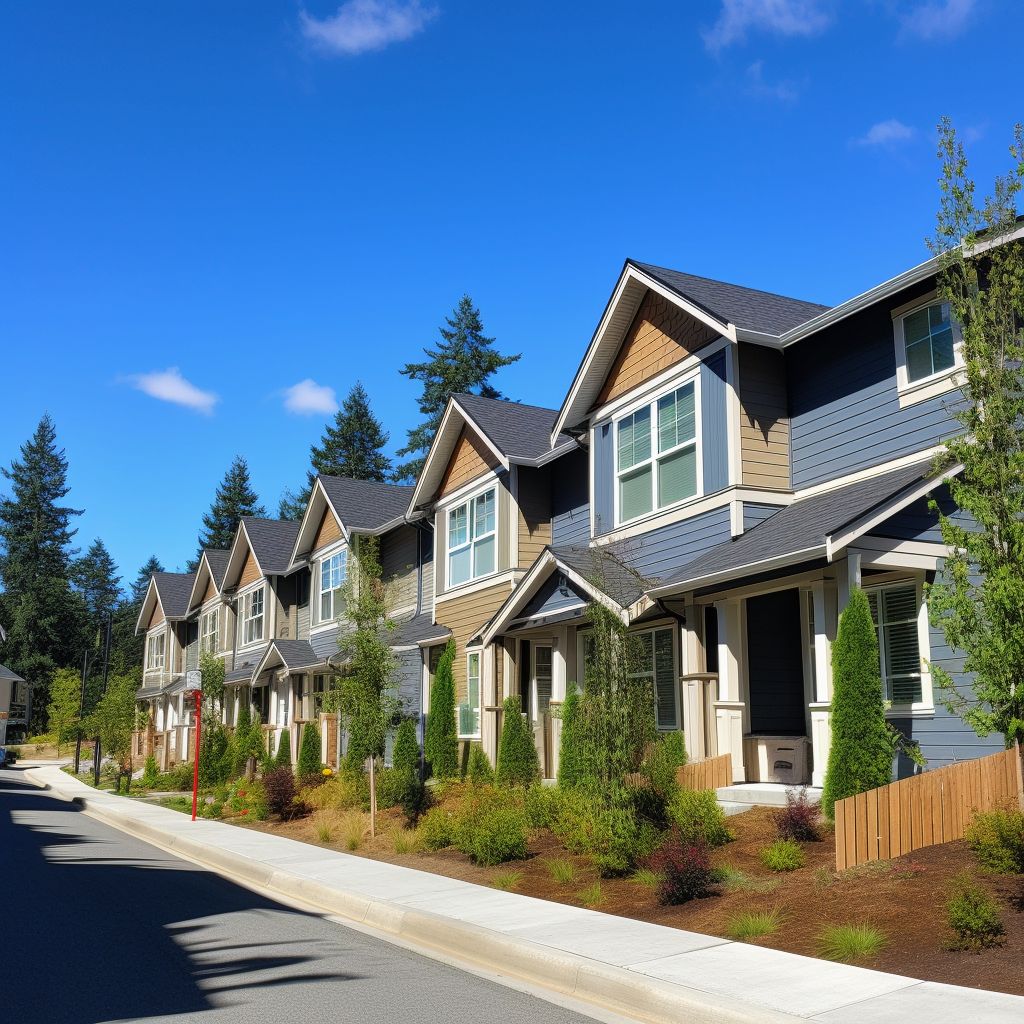
The success of the District Development Model can be seen in the Harry Gwala and Central Karoo District Municipalities. Collaboration across various government departments has led to the implementation of impactful programmes, such as the construction of 84 BNG houses for destitute families in Kromhoek, part of the Harry Gwala District Municipality.
Empowering Women in the Housing Sector
Women empowerment has been central to these housing projects, with a female contractor overseeing home construction. This commitment to gender equality is in line with President Cyril Ramaphosa’s emphasis on the forty percent set-aside for women-owned businesses.
A Green Future for Human Settlements
The Department of Human Settlements is expected to sign a Memorandum of Understanding (MOU) with the Department of Forestry, Fisheries, and the Environment soon, marking the beginning of the human settlements greening programme. This initiative aims to provide one indigenous tree and one fruit tree for each house during housing handover programmes.
Prioritizing Vulnerable Populations
The Department has prioritized vulnerable populations, with over 2,000 military veterans provided with adequate housing across South Africa’s nine provinces. The Department of Human Settlements will continue working closely with the Department of Military Veterans to prioritize and fast-track the beneficiary verification process.
Sector Transformation for a Better Future
South Africa’s focus on sector transformation is evident in its attention to five distinct areas: procurement spend, training opportunities for youth and persons with disabilities, job creation, allocation of housing opportunities, and transformation of spaces. The Department of Human Settlements plans to host a Women in Construction Indaba in August to further support women in the construction industry.
A Sustainable Approach to Human Settlements
Despite challenges posed by climate change, South Africa’s government is committed to sustainable human settlements and improving the quality of household life. The upcoming Govan Mbeki awards will recognize top-performing provinces and entities in various categories, including new technologies, innovative social facilitative work, and civil society groups collaborating with the government.
A Model for Other Nations
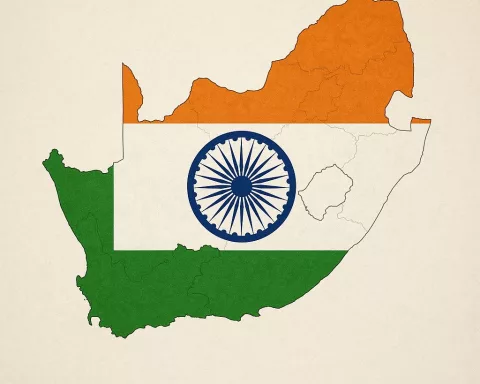
South Africa’s human settlements sector has emerged as a pioneer in the field, inspiring other nations seeking to learn from its progress. For instance, a delegation from Uganda recently visited South Africa for a benchmarking exercise on the real estate sector.
A Collective Responsibility
Recognizing that housing the nation is a collective responsibility, the Department of Human Settlements calls on the private sector, NGOs, and communities to join them in accelerating housing delivery and promoting sustainable human settlements. The Department is setting an exemplary standard through its dedication to collaboration, innovation, and equality.