
Youth today are stepping up to fight against corruption, bringing fresh energy and bright ideas to the cause. With around 1.9 billion young people in the world, their voices are crucial for building a future where honesty and fairness thrive. They are joining forces to spread awareness, report wrongdoings, and use technology to create positive change. Through art, activism, and community efforts, young people are shaping a society that values integrity, ensuring that corruption becomes a thing of the past. Their passion and commitment promise a brighter, more just world for everyone.
How can youth help combat corruption?
Youth can combat corruption by actively participating in awareness initiatives, reporting misconduct through secure channels, and leveraging technology for social change. Their idealism and energy are crucial for fostering a culture of integrity, transparency, and accountability, ultimately shaping a just society for future generations.
The Rising Tide of Youth Activism
In the heart of our bustling metropolises, where towering skyscrapers meet lively streets, a quiet yet profound struggle unfolds. This year, World Anti-Corruption Day highlights the potential of youth in combating the pervasive grip of corruption. The theme, “Uniting with Youth Against Corruption: Shaping Tomorrow’s Integrity,” emphasizes how young people are becoming critical in building a future defined by transparency and accountability.
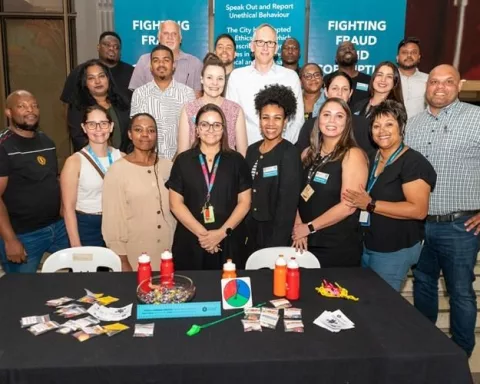
The Ethics and Forensics Department of our city is spearheading this movement, recognizing that safeguarding public resources is paramount for both current services and future growth. Their approach to combating corruption transcends mere policy; it reflects a deep commitment to fostering a society where integrity thrives. As they prepare to roll out several awareness initiatives in 2025, they aim to engage the youth in this vital mission, nurturing a generation that instinctively upholds ethical behavior and steadfastly resists corruption’s temptations.
Siseko Mbandezi, a key figure in the city’s financial leadership, eloquently captures this vision. “Corruption denies the next generation its opportunities,” he states. Indeed, corruption erodes trust, undermines ethics, and widens inequality – pressing issues in a world challenged by poverty, climate change, and geopolitical instability. With approximately 1.9 billion young people globally, as reported by the United Nations, instilling integrity within them is not just a goal but a necessity.
Proactive Measures and Public Participation
The city’s administration remains unwavering in its commitment to a zero-tolerance policy against corruption, employing proactive measures that anticipate rather than simply react to fraud. Citizens are encouraged to join this initiative, empowered with resources to report misconduct via a dedicated Fraud Hotline. This system is designed to be both accessible and secure, allowing for anonymous reporting that ensures the safety and confidence of whistleblowers. Such an approach underscores the belief that tackling corruption demands a collective and transparent effort from all stakeholders.
The influence of young people in this struggle cannot be overstated. History demonstrates that youth, with their idealism and readiness to challenge established norms, have an unmatched capacity to incite social change. Reflecting on the past century’s cultural revolutions, youth movements have been catalysts for significant transformations worldwide. By harnessing this energy, society can initiate a transformative shift in its approach to corruption.
There are inspiring examples of young individuals who have already embraced this cause. Around the globe, student-led organizations and initiatives are emerging, each committed to advancing integrity and transparency. These groups often develop innovative strategies, utilizing technology and social media to spread awareness and mobilize communities. Their efforts demonstrate how the younger generation can reshape the dialogue surrounding corruption and accountability.
The Cultural and Artistic Renaissance
Art and culture also play pivotal roles in this endeavor. Throughout history, artistic movements have frequently led social change, challenging conventional paradigms and encouraging new perspectives. Today, young artists and creators use their platforms to shed light on issues of corruption, advocating for transparency through their work. Whether through visual art, music, or literature, their creations resonate deeply, reaching audiences in ways that policy documents and official declarations may struggle to achieve.
The city’s strategy to engage youth isn’t merely a tactical choice; it acknowledges the transformative power young people hold. This engagement transcends simple awareness-raising; it aims to embed a culture of integrity that becomes second nature. By investing in education and creating opportunities for youth to confront these issues directly, the city endeavors to cultivate critical thinkers and ethical leaders.
Building a More Just Society
The fight against corruption is a challenging journey, filled with obstacles. However, with each initiative and awareness campaign, progress is made toward a future where transparency and accountability are standard practice rather than exceptions. Youth, equipped with knowledge and driven by justice, represent the forefront of this movement. Their active involvement not only energizes current efforts but ensures their sustainability, laying the groundwork for a fairer and more just society for future generations.
In conclusion, the active participation of youth in the fight against corruption is not just a hopeful ideal but a tangible necessity. By engaging young people in this crucial battle, society can foster a culture where integrity is deeply ingrained and corruption is a facet of the past. As these initiatives unfold, they promise to inspire and sustain a legacy of transparency, accountability, and justice for the world of tomorrow.
“`markdown
What is the role of youth in combating corruption?
Youth play a vital role in combating corruption by engaging in awareness initiatives, reporting wrongdoings, and utilizing technology for social change. Their fresh perspectives, energy, and idealism are crucial for fostering a culture of integrity and accountability in society.
How can young people report corruption?
Young people can report corruption through secure channels, such as the dedicated Fraud Hotline set up by the city’s administration. This hotline allows for anonymous reporting, ensuring the safety and confidence of whistleblowers while promoting a collective effort against corruption.
Why is the engagement of youth important in anti-corruption initiatives?
Engaging youth in anti-corruption initiatives is essential because they have the potential to instigate significant social change. Historically, youth movements have driven transformative changes. Their involvement ensures that the fight against corruption is not only sustained but also evolves with innovative ideas and approaches.
What are some ways youth are expressing their commitment to fighting corruption?
Youth express their commitment to fighting corruption through various means, including artistic endeavors, activism, and community mobilization. They utilize platforms like social media to spread awareness, organize events, and create movements that promote transparency and integrity.
How does art and culture contribute to anti-corruption efforts?
Art and culture contribute significantly to anti-corruption efforts by challenging societal norms and raising awareness through creative expressions. Young artists use their work – be it visual art, music, or literature – to highlight the issues of corruption and advocate for transparency, reaching audiences in impactful ways.
What initiatives are planned for the future to engage youth in this cause?
In 2025, the Ethics and Forensics Department of the city plans to roll out several awareness initiatives aimed at engaging youth in the fight against corruption. These initiatives will focus on fostering a culture of integrity and instilling ethical behavior, ensuring that the next generation is equipped to resist corruption.
“`