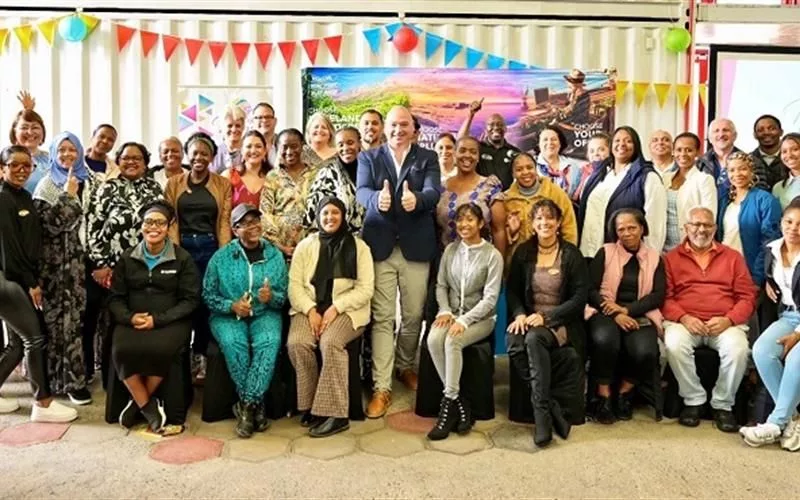
The City of Cape Town’s Local Tourism Forum focuses on women in the tourism industry, highlighting their valuable contributions and advocating for increased representation in leadership roles. The forum challenges gender stereotypes and sets a benchmark for creating a more equitable, inclusive, and sustainable industry. The city’s commitment towards responsible tourism aligns with its dedication to gender parity, and it serves as an excellent example for other cities to follow. Although the path towards complete equality is lengthy, Cape Town’s initiative shows that the ultimate goal is within reach.
Unleashing Women’s Potential: Shaping the Future of Cape Town’s Local Tourism. The City of Cape Town’s inaugural Local Tourism Forum focuses on women in the industry, showcasing their valuable contributions and advocating for increased representation in leadership roles. This progressive initiative aligns with their commitment towards responsible tourism and sets a benchmark for cities worldwide in creating a more equitable, inclusive, and sustainable industry.
Section 1: A Bold Initiative for Inclusion
In a landscape where feminine viewpoints are frequently disregarded, the City of Cape Town has taken a progressive step towards inclusivity. The municipality orchestrated its inaugural Local Tourism Forum of the year, focusing on women in the domain — a commendable enterprise that has been sparking dialogues and creating growth from its inception last year.
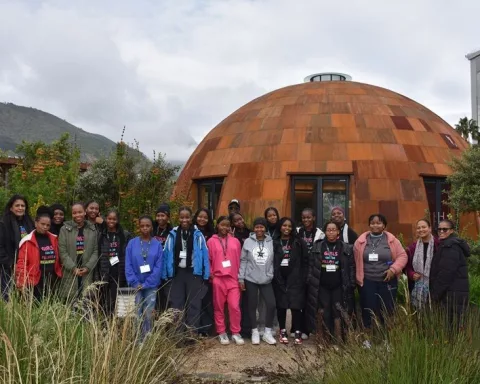
Hosted at the Gugu S’Thebe Cultural Centre in Langa, this forum has swiftly evolved into a pivotal event for operators based in Cape Town. The platform presents them with abundant chances to uncover potential collaborations within their offerings and services and sets a stage for illuminating debates on industry patterns and advancements. Alderman James Vos, the Economic Growth Mayoral Committee Member, declares these assemblies as critical turning points for the local tourism sphere.
Challenging Stereotypes, Highlighting Contributions
Stepping away from conventional gender roles, the forum decided to showcase the valuable inputs women make to the tourism sector. A recent study by South African Tourism disclosed that women account for 51% of the workforce and possess 45% of the ownership in the industry. These statistics reflect the integral role women occupy in sculpting the tourism landscape.
Section 2: Advocating for Equal Representation
Esteemed speaker at the forum, Michelle Page, Chairperson of Women in Tourism Western Cape, articulated her appreciation for the platform to express her firm commitment to backing women in the tourism sector. She emphasized the importance of cooperation and alliance, not only in creating meaningful relationships but also in learning from each other, bolstering one another’s aspirations, and applauding the outstanding women in the field.
Echoing Page’s views, Alderman Vos voiced his desire to witness an increase in women occupying leadership roles in tourism. He asserts that a higher presence of women leaders leads to a more holistic understanding of clients and their diverse requirements. Vos’s stance is supported by numerous research studies, suggesting that an increased number of women in decision-making roles contributes to heightened innovation. Empowering women has been validated as one of the most efficient tactics for instigating change in societies and developing nations.
Section 3: Commitment Towards Responsible Tourism
Vos’s statements reflect his directorate’s concentrated dedication towards responsible tourism during this year. The goal is to design and foster appealing and secure tourist spots that also enhance the lives of the local inhabitants who live and work there. The approach is inclusive, sustainable, and perfectly aligns with the tenets of responsible tourism.
The city’s endeavor to acknowledge and commend women’s contributions to the tourism industry marks a notable stride towards gender parity. It not only motivates more women to step into the sector but also ensures they feel recognized, listened to, and appreciated. In a time where diversity and inclusion are not mere trendy terms but critical requisites, Cape Town’s tactic to amplify women’s voices in tourism sets a brilliant precedent for cities across the globe.
Section 4: The Road Ahead
While the concentration on women in tourism is praiseworthy, the path towards complete equality is lengthy and complex. However, with initiatives like these, there’s optimism that the ultimate goal is within reach. After all, a city that acknowledges and celebrates its female demographic’s power truly comprehends the core of equality and advancement.
It’s at this crossroads of tourism, gender equality, and community growth that Cape Town is venturing and advocating. The city isn’t merely narrating a new story but also establishing a benchmark for other cities to emulate. Cape Town is undeniably pioneering in creating a more equitable, inclusive, and sustainable tourism industry, and it’s accomplishing this by celebrating its most potent resource—its women.
1. What is the City of Cape Town’s Local Tourism Forum?
The City of Cape Town’s Local Tourism Forum is an initiative that focuses on women in the tourism industry, highlighting their valuable contributions and advocating for increased representation in leadership roles.
2. What is the purpose of the Local Tourism Forum?
The purpose of the Local Tourism Forum is to challenge gender stereotypes and set a benchmark for creating a more equitable, inclusive, and sustainable tourism industry.
3. What is the venue for the Local Tourism Forum?
The Local Tourism Forum is hosted at the Gugu S’Thebe Cultural Centre in Langa.
4. What statistics reflect the integral role women occupy in sculpting the tourism landscape?
A recent study by South African Tourism disclosed that women account for 51% of the workforce and possess 45% of the ownership in the industry, reflecting the integral role women occupy in sculpting the tourism landscape.
5. What is the city’s commitment towards responsible tourism?
The city’s commitment towards responsible tourism aligns with its dedication to gender parity, and it serves as an excellent example for other cities to follow. The city aims to design and foster appealing and secure tourist spots that also enhance the lives of local inhabitants who live and work there.
6. What is the ultimate goal of the City of Cape Town’s Local Tourism Forum?
The ultimate goal of the Local Tourism Forum is to achieve complete equality, although the path towards it is lengthy and complex. The City of Cape Town’s initiative shows that the ultimate goal is within reach and sets a benchmark for other cities to follow.