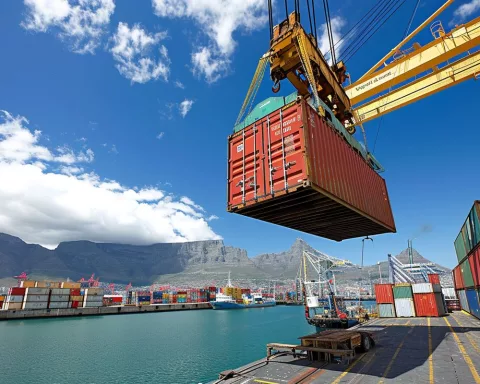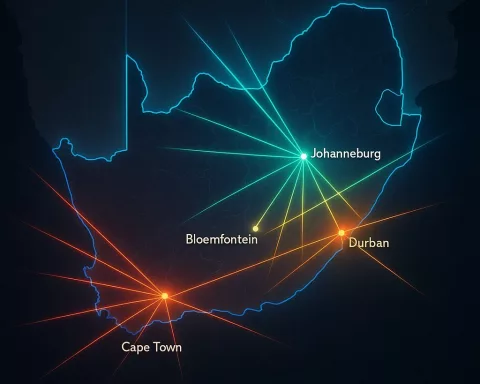

During the holiday season, OR Tambo International Airport experienced an unprecedented baggage crisis, with 3,000 items going missing due to technical glitches in the baggage sorting system. This caused significant delays and complications for passengers and airlines, with FlySafair and LIFT Airlines burdened with the task of reuniting passengers with their luggage. The incident serves as a wake-up call for improved airport operations and highlights the need for robust and foolproof systems to prevent such incidents from occurring again.
Unprecedented Luggage Crisis at OR Tambo International Airport
What happened at OR Tambo International Airport during the holiday season?
3,000 items of luggage went missing due to a technical glitch with the baggage sorting system, causing significant delays and complications for passengers and airlines. The issue continued for several days, resulting in anger and frustration from travelers and calls for improved airport operations. Airlines like FlySafair and LIFT Airlines took action to address the problem and are burdened with the task of reuniting passengers with their luggage.
In the heart of the vibrant holiday season, disarray erupted at OR Tambo International Airport, leading to thousands of passengers left in a state of disarray. Their baggage had inexplicably vanished. The airport, under the operation of Airports Company South Africa (ACSA), shockingly mislaid a staggering 3,000 items of luggage. This unfortunate incident, fittingly termed the ‘operational catastrophe’, occurred just ahead of Christmas, leading to a series of complications. It left not only travelers panicking, but also airlines in a frantic rush to solve the problem.
A prominent domestic airline in South Africa, FlySafair, found itself at the epicenter of this catastrophe. According to the company’s chief marketing officer, Kirby Gordon, the situation was ‘an absolute nightmare’. In an extraordinary step, senior executives from FlySafair were present at the airport, personally sorting through the pile of lost baggage, ensuring no piece was untouched or mishandled.
Heading 2: Discovery of the Baggage Handling Issue and Its Impact
The problem surfaced on December 22, 2023, when ACSA shared an update on social media platform X. The post stated, “We encountered technical glitches with our baggage sorting system in the domestic terminal”. ACSA confidently assured the public that the problem was rectified and the luggage sorting system was back in full working order.
However, the actual situation was far from this hopeful declaration. On December 23, the true scope of the system’s failure was revealed. ACSA confessed they were still wrestling with ‘technical difficulties’, and the air traffic was plunged into a cycle of delays.
The effects of this significant interruption were extensive. Among the most unfortunate victims were tourists headed for a relaxing cruise from Durban. Their delightful holiday plans were abruptly halted when their cruise liner, MSC, delayed its departure, waiting for the lost luggage to be delivered. This holdup resulted in MSC being charged a hefty late-departure fee of R500,000.
Heading 3: Consequences on Airlines and Passengers
LIFT Airlines was another organization severely impacted by this predicament. The airline extended an apology to its passengers for the anxiety induced by the infrastructure breakdown at ORT. The airlines are now burdened with the daunting task of reuniting the passengers with their luggage, an operation that is expected to be accompanied by substantial courier expenses.
Understandably, this debacle has instigated a backlash among travelers who were looking forward to a seamless and pleasurable holiday journey. The issue of compensation for the significant inconvenience is a major concern. If you are among those affected, ACSA can be contacted at customercare@airports.co.za or Tel: +27 (011) 723 1400.
Heading 4: A Wake-Up Call for Improved Airport Operations
This incident serves as a stark wake-up call about the convoluted and intricate operations of contemporary airports. While it’s encouraging to witness airlines like FlySafair and others taking action to address the problem, it emphasizes the necessity for robust and foolproof systems to be implemented. The OR Tambo International Airport ‘operational catastrophe’ is more than just a lesson in crisis management. It serves as a motivation for airports across the globe to prevent such incidents from tarnishing the joy and spirit of holiday travel.
-
What caused the baggage crisis at OR Tambo International Airport during the holiday season?
The crisis was caused by technical glitches in the baggage sorting system, which resulted in the misplacement of 3,000 items of luggage. -
How did the baggage crisis impact passengers and airlines?
The crisis caused significant delays and complications for passengers and airlines, including FlySafair and LIFT Airlines, which are now burdened with the task of reuniting passengers with their luggage. Passengers faced anxiety, frustration, and disruptions to their holiday plans. -
What was ACSA’s response to the baggage handling issue?
ACSA initially assured the public that the problem was rectified and the luggage sorting system was back in full working order. However, the problem was far from being solved, and ACSA admitted to still wrestling with “technical difficulties” on December 23. -
What compensation options are available for passengers affected by the baggage crisis?
Passengers who were affected by this issue can contact ACSA at customercare@airports.co.za or Tel: +27 (011) 723 1400 to inquire about compensation options. -
How did airlines like FlySafair respond to the baggage crisis?
FlySafair took extraordinary measures to address the problem, with senior executives personally sorting through lost baggage to ensure no piece was mishandled. LIFT Airlines extended apologies to its passengers for the anxiety induced by the infrastructure breakdown at ORT. -
What should this incident serve as for airports globally?
This incident serves as a wake-up call for improved airport operations and the need for robust and foolproof systems to prevent such incidents from occurring again. It emphasizes the necessity for airports worldwide to ensure that crisis management plans are in place to prevent such incidents from tarnishing the joy and spirit of holiday travel.