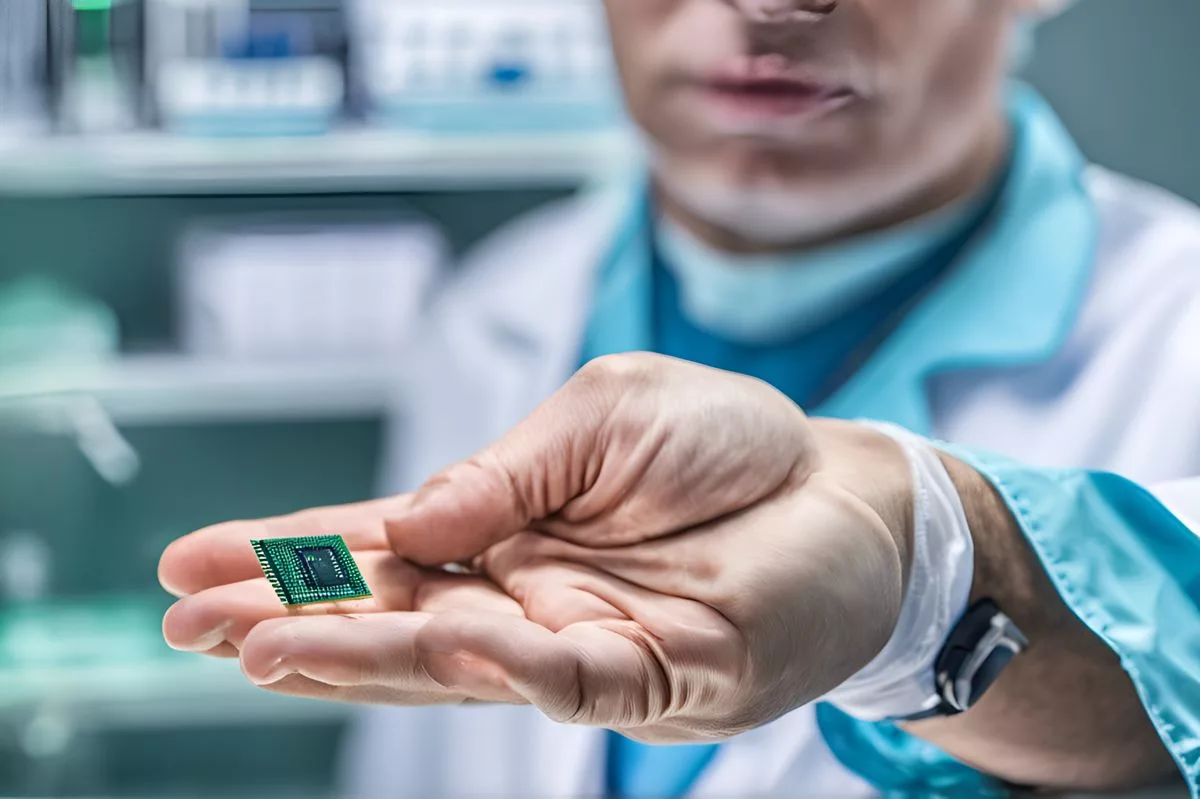
Elon Musk has announced a groundbreaking development in science and technology: a Neuralink microchip implanted in a human brain. This innovation could allow people with impaired limb function to communicate and manipulate technology through thought alone. The early results of the procedure have been promising, sparking excitement and curiosity around the possible future applications of this advanced technology.
Unveiling ‘Telepathy’: The Groundbreaking Tech Invention by Elon Musk
Elon Musk has disclosed a revolutionary development in 21st-century science, a Neuralink microchip implanted in a human brain. The primary target group for this implant technology are individuals with impaired limb function. Musk envisions a world where exceptional minds like Stephen Hawking could communicate at lightning speed purely through thought. The Neuralink microchip is an instrument that could empower users to operate their phones, computers, and potentially any device, purely through thought.
Elon Musk, the visionary entrepreneur and brain behind Neuralink, has disclosed a revolutionary development in 21st-century science – a first of its kind Neuralink microchip implanted in a human brain. This tremendous step forward in neurotechnology serves as a powerful testament to the power of human creativity and ingenuity.
The Dawn of a New Era in Science and Technology
The narrative of this remarkable feat in science and technology began unfolding on a seemingly ordinary Sunday. Elon Musk, in his usual subdued yet excited demeanor, announced the successful implantation of the Neuralink microchip on the following Monday evening. The procedure, referred to as a craniectomy, undoubtedly constitutes a significant landmark in the history of scientific exploration.
An anonymous person had the honor and distinction of becoming the first-ever human to host the Neuralink microchip in their brain. Musk expressed his sentiments on Twitter, revealing the promising initial results of the unprecedented procedure. The reports showed an encouraging detection of neuron spikes, hinting at the future potential of this awe-inspiring device.
Neuralink: Enhancing Human Capabilities Beyond Boundaries
Intended to augment human capabilities, the Neuralink microchip has already begun to captivate and inspire. The primary target group for this implant technology are individuals with impaired limb function. Musk envisions a world where exceptional minds like Stephen Hawking could communicate at lightning speed, surpassing even the fastest typist or auctioneer, as he shared on his Twitter feed.
But Musk’s grand vision doesn’t end with communication enhancement. He perceives the Neuralink microchip as an instrument that could empower users to operate their phones, computers, and potentially any device, purely through thought. This audacious claim kindles curiosity around the possible ramifications of such advanced technology.
The Neuralink project goes beyond improving communication for the physically impaired. It also seeks to enable paralyzed individuals to manipulate their bodies using nothing but their thoughts. This gallant objective further underscores Musk’s relentless ambition to stretch the limits of feasibility.
Neuralink: A Testament to Rigorous Safety Measures and Unwavering Ambition
This pioneering experiment follows closely on the heels of Neuralink receiving approval from the Food and Drug Administration (FDA) to conduct tests on humans. This critical achievement speaks volumes about the stringent safety protocols adhered to by Neuralink and the trust placed in them by such a prestigious regulatory body.
While the initial results of the first implant have sparked hope, both the scientific community and the general public are on tenterhooks for more updates. To fully appreciate the significance of this scientific wonder, one needs to envision the profound impact such technology could have on individuals living with paralysis or other physical limitations and its potential to redefine our interaction with technology and our understanding of the human brain.
The Future of Neuralink: Merging Humanity with Technology
Musk’s blueprint for Neuralink constitutes a bold stride towards the integration of humanity and technology. It’s an endeavor that seems to have leapt straight out of a science fiction novel yet is firmly grounded in reality. It’s a tale of human innovation, determination, and an unyielding quest for knowledge, a narrative that continues to evolve as we step into an era that was once only a figment of our collective imagination.
Neuralink stands as a potent symbol of the boundless possibilities at the intersection of science, technology, and creativity. As we continue this intriguing journey, one aspect remains unequivocal: we are merely at the beginning of a new chapter in the evolution of human capabilities, and we are all observers at the dawn of this new epoch.
What is the Neuralink microchip?
The Neuralink microchip is a groundbreaking invention by Elon Musk that is implanted into a human brain. It is intended to enhance communication and manipulate technology purely through thought, allowing individuals with impaired limb function to interact with the world around them.
Who is the primary target group for this implant technology?
The primary target group for the Neuralink microchip are individuals with impaired limb function. However, the technology has the potential to be used by anyone who wishes to operate devices purely through thought.
What are the initial results of the procedure?
The initial results of the procedure have been promising, with an encouraging detection of neuron spikes. This opens up the possibility of communication enhancement for the physically impaired and the ability for paralyzed individuals to manipulate their bodies using their thoughts.
Has Neuralink received approval from the Food and Drug Administration (FDA)?
Yes, Neuralink has received approval from the FDA to conduct tests on humans. This achievement speaks volumes about the stringent safety protocols adhered to by Neuralink and the trust placed in them by such a prestigious regulatory body.
What is Elon Musk’s vision for the future of Neuralink?
Elon Musk’s vision for the future of Neuralink is to merge humanity with technology. He believes that the integration of humanity and technology is a bold stride towards a new chapter in the evolution of human capabilities.
What impact could Neuralink have on individuals with physical limitations?
Neuralink has the potential to redefine the interaction of individuals with physical limitations with the world around them. The technology could allow individuals with impaired limb function to communicate and manipulate technology purely through thought and enable paralyzed individuals to manipulate their bodies using their thoughts.