The city is on a mission to fix its underground water pipes and the messy trenches they leave behind, setting aside R55 million for repairs in 2024/25. With help from contractors, they plan to work efficiently and keep everyone informed with monthly updates. This project aims to restore roads and sidewalks while also replacing old pipes to prevent future disruptions. Using strong materials and smart technology, the city hopes to create a smoother, safer environment for all its residents, showing a true commitment to a better urban life.
What is the city’s plan for renewing its underground infrastructure?
The city has allocated R55 million for 2024/25 to address trench reinstatement issues caused by essential water pipe repairs. This plan includes collaboration with contractors, efficient workflows, and monthly updates for transparency, ensuring durability and minimal disruption to urban life.
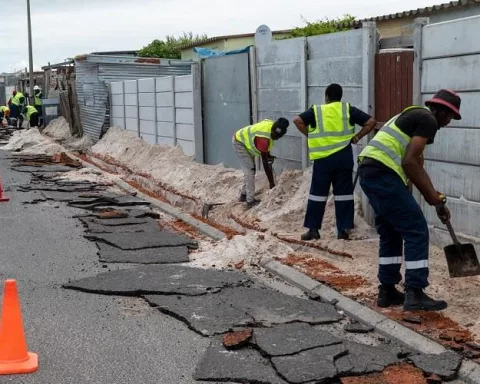
In the sprawling urban landscape, a hidden network of water pipes tirelessly operates below the surface, underpinning the rhythm of daily life. Occasionally, this essential infrastructure requires repair and replacement, leading to temporary inconveniences marked by open trenches. The Water and Sanitation Directorate is stepping up to address these issues, armed with fresh energy and resources to restore the city’s surface seamlessly.
Renewed Financial Commitment
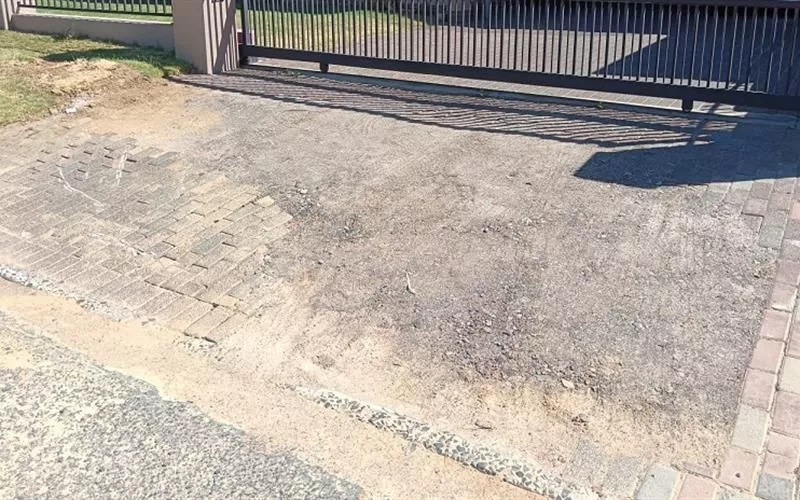
To tackle the growing challenge of trench reinstatement, the city has dedicated a substantial financial resource. A notable budget of R55 million has been set aside for the 2024/25 fiscal year, significantly surpassing the previous year’s allocation of R33 million. This increase underscores the city’s commitment to swiftly restoring roads, sidewalks, and driveways that have been disrupted by necessary excavation work. Such a financial commitment reflects an urgent drive to enhance urban infrastructure and reduce disruptions for citizens.
The city’s plan to address the backlog involves a pivotal strategy focusing on collaboration with external contractors. These contractors will handle large sections of around 1,000 square meters each, introducing a systematic and efficient approach to repairs. By maintaining a steady workflow and deploying multiple work packages across different neighborhoods, the city draws from the lessons of industrial revolutions that emphasized batch-based production efficiency, now adapted to meet urban infrastructure needs.
Progress and Transparency
As of November 2024, the city faces the daunting task of addressing approximately 6,200 trenches. To ensure swift action, tender procedures are advancing rapidly, with contractors expected to begin work in early 2025. Councillor Zahid Badroodien, representing the city’s leadership, assures residents of ongoing progress while expressing regret over any delays. In a nod to the principles of the information age, the administration promises monthly updates to subcouncils, ensuring transparency and accountability driven by data.
Residents can expect the use of standard materials such as asphalt, concrete, and clay brick paving for the reinstatement work. Prioritizing durability and cost-effectiveness over aesthetic novelty, the city aims to ensure resilience and long-term functionality. This pragmatic approach emphasizes a focus on sustainable solutions that balance practicality with enduring quality.
Proactive Infrastructure Management
Beyond merely reacting to existing issues, the city is embarking on proactive measures to replace aging pipes at an unprecedented pace. This forward-looking strategy not only aims to reduce future disruptions but also aligns with sustainable development goals by securing a reliable water supply for the future. The distinction between proactive maintenance and reactive repairs mirrors the evolution of modern art, where foresight and innovation distinguish timeless masterpieces from fleeting trends.
The city’s vision extends beyond functional repairs, aspiring to minimal disruption in urban life. This ambition draws inspiration from the Bauhaus movement, which harmonized functionality and aesthetics seamlessly. By efficiently managing batch-based work packages, the city strives to diminish the backlog while ensuring oversight and quality assurance are maintained, ultimately achieving a cohesive urban landscape.
The Role of Contractors and Technology
Within this urban restoration narrative, contractors emerge as central figures, tasked with transforming strategic plans into tangible reality. Much like the silent craftspeople behind Renaissance cathedrals, these modern artisans carry the city’s vision forward. However, today’s contractors benefit from cutting-edge technology, streamlining processes and enhancing precision, allowing them to accelerate project completion while maintaining high standards.
As the city journeys towards completing its trench reinstatements, its determination remains unwavering. Through methodical planning, increased funding, and collaborative efforts with contractors, the Water and Sanitation Directorate works tirelessly to restore normalcy to the urban landscape. This initiative reflects a broader commitment to improving the quality of life, positioning infrastructure as the backbone of community well-being.
A Story of Urban Transformation
This endeavor of urban renewal, interwoven with resilience and progress, stands as a testament to the city’s dedication to its residents. By echoing historical movements and embracing modern innovation, the city crafts a narrative of hope and transformation. As it advances, the commitment to restoring both its physical and communal fabric remains steadfast, promising a vibrant and sustainable future for all.
FAQ: Unveiling the City’s Underground Network Renewal Initiative
What is the purpose of the city’s renewal initiative?
The city’s renewal initiative aims to repair and replace underground water pipes while addressing the issues caused by open trenches. By allocating R55 million for the 2024/25 fiscal year, the project focuses on restoring roads and sidewalks, enhancing urban infrastructure, and minimizing future disruptions for residents.
How will the city ensure transparency during the repair process?
To maintain transparency, the city plans to provide monthly updates to subcouncils about the progress of the repairs. This commitment to ongoing communication reflects the administration’s dedication to keeping residents informed about the status of the project.
What materials will be used for the reinstatement work?
The reinstatement work will utilize standard materials such as asphalt, concrete, and clay brick paving. The city’s focus is on durability and long-term functionality rather than aesthetic novelty, ensuring a resilient infrastructure that can withstand daily use.
Who will be responsible for carrying out the repairs?
The city will collaborate with external contractors to manage large sections of repairs, allowing for a systematic and efficient approach. These contractors will be vital in transforming the city’s strategic plans into tangible results, utilizing modern technology to streamline processes.
How does the city plan to address the backlog of trenches?
As of November 2024, there are approximately 6,200 trenches to be addressed. The city has initiated rapid tender procedures, with contractors expected to start work in early 2025. The aim is to introduce a steady workflow and deploy multiple work packages across different neighborhoods to tackle the backlog efficiently.
What long-term benefits does the city anticipate from this initiative?
The city hopes that by replacing aging pipes and restoring urban infrastructure, the initiative will lead to a smoother, safer environment for all residents. Proactive maintenance is designed to reduce future disruptions, secure a reliable water supply, and create a more sustainable urban landscape for the community.