
Introduction
In the closing week of January 2024, inhabitants of several locations within the city will have to deal with a planned interruption in their water supply due to upkeep activities by the Water and Sanitation Directorate. Though the directive recognizes the potential inconvenience this may pose, it affirms that such operations are a fundamental aspect of their obligation to enhance services for their consumers.
The maintenance work is planned from the 29th of January to the 1st of February. The activities will encompass zero-pressure tests (ZPT) and conditional evaluations on the water supply network in various areas. Areas like Oakdale, Blommendal, Blomtuin, Eikenbosch, and Chrismar will be affected on Monday, 29th January, from 10:00 to 15:00. The next day, the maintenance routine extends from 09:00 to 16:00 and will impact areas such as Somerset Ridge, Westridge, and Audas Estate in Bizweni, Somerset West.
Purpose and Benefits of the Maintenance
ZPTs are not only instrumental in identifying any uncharted inflows but also facilitate the establishment of smart pressure-reducing valves. This is a crucial aspect of the City’s Water Demand Management Strategy geared towards preventing pipe eruptions and subsequent water wastage.
Conversely, conditional assessments ensure the efficient operation of these pressure-reducing valves (PRVs). These PRVs are critical in extending the pipeline’s longevity and reducing water wastage resulting from unforeseen pipe eruptions.
Aside from the testing, the maintenance activities will also comprise pipe and valve installations, repairs, and replacements. One instance is on the 30th of January 2024, where the main water supply to the Strand area will be closed from 10:00 to 17:00 to allow for a water meter installation.
More About the Maintenance Work and Its Impact
This maintenance work forms part of the directorate’s forward-thinking infrastructure care and upgrade program. The primary objective is to assure a continuous water supply, tackle water wastage concerns, and enhance the overall service to the City’s inhabitants.
Considering these large-scale planned water supply disruptions, residents should be aware of several aspects and get ready for them. The organization of this work has been tactically designed to cause minimal disturbance. Nevertheless, maintenance work can occasionally be unpredictable, potentially prolonging the disruption duration.
Residents may also notice a temporary alteration in the water’s appearance once the supply resumes. This is attributable to the confined air in the pipes and the water will regain its usual clarity once the air is dispelled. For real-time updates on the maintenance work, residents can follow @CityofCTAlerts, a dedicated Twitter account by the City of Cape Town.
Preparation and Conclusion
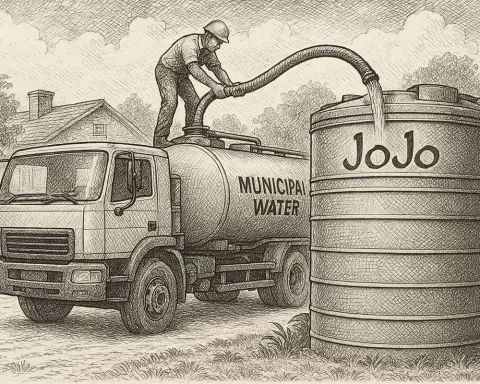
Advance preparation for the planned water supply disruptions is also critical. Residents are urged to store water in clean, sealed containers for use during the disruption period. It’s also prudent to keep taps shut to avoid any water loss or damage when the water supply is reinstated.
Despite the temporary inconvenience, these planned disruptions highlight an important aspect of urban society – the unceasing work and planning that go into preserving the infrastructure we often overlook. The efforts of the Water and Sanitation Directorate towards minimizing disruptions and maintaining effective communication with residents via platforms like @CityofCTAlerts on Twitter are praiseworthy. They manage a delicate equilibrium between the necessary and the convenient while ensuring the longevity of the City’s water supply infrastructure.