A tiny USB stick almost ruined South Africa’s big 2025 school exams! A smart computer system found a student’s English paper that was almost exactly like the secret answer guide. This secret guide came from a government worker’s computer and only got to 26 students in Pretoria. Thanks to quick detective work, the problem was stopped fast, keeping the exams fair for everyone else.
How was the 2025 matric exam leak discovered and contained?
South Africa’s 2025 matric exam leak was discovered by a Script-Anomaly Detection System (SADS) flagging a learner’s English paper with 97% similarity to official marker guidelines. The leak, originating from a civil servant’s laptop, was contained to a small group of 26 pupils in Pretoria through forensic analysis and psychometric comparisons, preventing national spread.
Pretoria’s jacarandas had barely dropped their last purple blossoms when a thumb-sized flash disk brought the country’s most watched school-leaving exam within centimetres of national collapse.
On 3 December, while 51 000 markers were sipping their first coffee of the marking season, a silent ping on the Gauteng dashboard revealed that one learner’s English paper was a word-perfect clone of the confidential marker guideline.
Thirty-six hours later the chain of whispers had been mapped, devices impounded and a ministerial media statement released – all without a single mark being certified.
The Dominoes Fall – Hour by Hour
21 October to 27 November: 907 432 candidates sat 162 different papers in 7 012 halls; 11.3 million scripts were trucked to 22 high-vault warehouses.
1 December: marking crews clocked in; the revamped Script-Anomaly Detection System (SADS) learnt its baseline from the previous two years.
2 December, 09:14: Marker 1G-147 clicked “submit” on an English Home Language script whose fifth question scored a 97 % similarity hit.
By 23:55 the next day the Minister had already signed off a national alert, and a multi-agency task team was poring over USB sticks and cellphones.
Inside the Radar That Caught the Copycats
For the first time every paragraph of every marking guideline was turned into a 256-bit digital fingerprint and locked on an air-gapped server.
As markers captured scores, OCR snapshots of learner paragraphs were hashed and auto-scored; anything above 92 % similarity nudged the shift moderator, anything above 95 % screamed at national level.
The flagged script hit 97.3 % – high enough to convince veterans they were staring at a cut-and-paste job, not a lucky coincidence.
“Team 2025 Final Guide” – How the File Travelled
All 26 implicated pupils told the same story: a colour booklet stamped “TEAM 2025 FINAL GUIDE” landed in their WhatsApp inboxes during an October “study camp” at a Hammanskraal lodge.
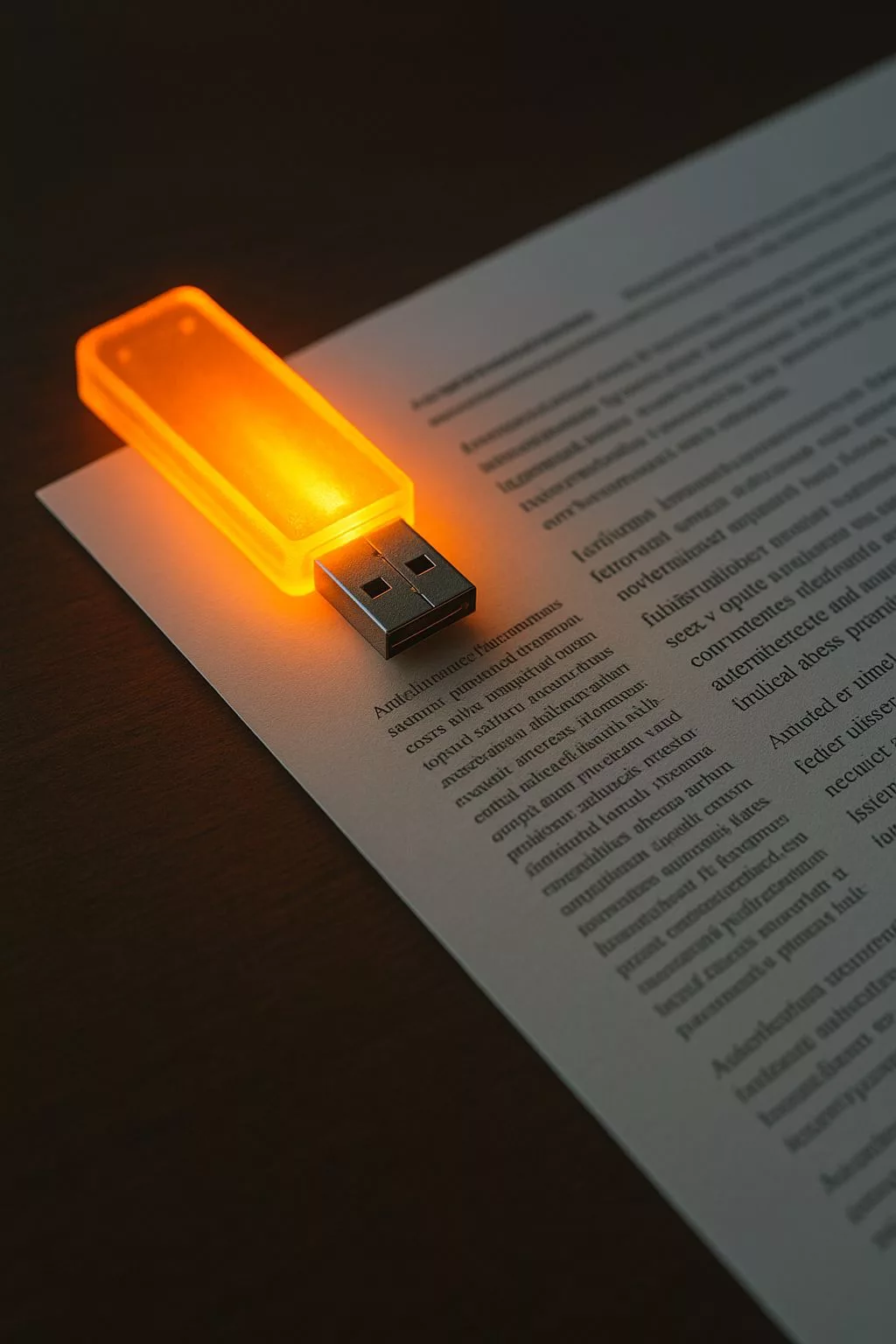
The original file had walked out of the department on a civil servant’s work-issued laptop, was copied to a personal USB on 15 October and then blasted across a teen Bluetooth chain.
Forensic dives through 41 phones and tablets recovered deleted folders whose time-stamps married perfectly with the learners’ sworn statements.
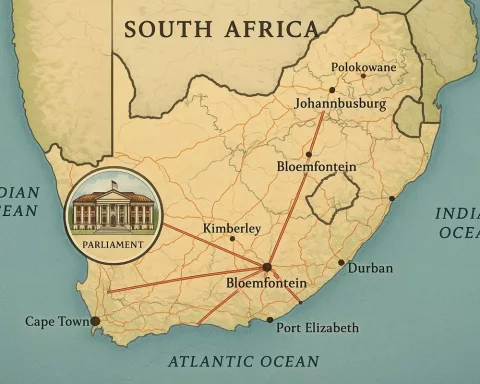
Geography of a Leak – Why the Poison Stayed Local
Psychometricians compared 2024 and 2025 performance spikes; only seven of Pretoria’s 109 high schools popped a statistically significant jump in the three tainted subjects.
No other province, district or even suburb crossed the suspicion threshold, proving the file never made it past a tight teenage social circle that dissolves beyond a fifteen-kilometre radius.
Covert micro-dot watermarks stamped by Paarl Security Printers confirmed the photographs came from an internal PDF rather than a rogue printing plate, shrinking the suspect pool to two departmental laptops.
The Containment Crew – Who Does What Now
A 27-day “Red Desk” clock is ticking under retired Judge Siraj Desai, armed with subpoena powers and staffed by DBE bosses, union reps, university psychometricians and KPMG’s cyber lab.
They will decide whether the 26 candidates rewrite in May, forfeit the subjects, or walk away with a warning; whether the seven schools must sit fresh papers; and whether the two suspended officials will wear orange overalls.
Set-B papers are already shrink-wrapped in a Silverton vault, ready for a 72-hour rollout if the word “rewrite” is uttered in the final report.
Collateral, Consequences and the Clean 907 000
Learners who never went near the stolen file fear guilt by association; universities have promised to hold places open if results slip beyond the 2026 registration window.
Radio spots tagged #MyPaperWasClean will profile top achievers from untainted districts, and digital certificates will carry a verification badge employers can click in seconds.
A decisive court conviction would end a decade-long drought in paper-leak prosecutions, pushing exam fraud into the same legal terrain as corruption and cybercrime.
Tech on the Way – Blockchain Keys and Disposable Screens
Treasury is reviewing a R68 million pitch to swap USB guidelines for blockchain-locked files that self-scramble the moment a marking session ends, turning screenshots into useless confetti.
Meanwhile the Media Monitoring Unit has swept 1.2 million posts: only three Pretoria tweets carried leaked phrases, and all appeared after the exam, proof the kids kept an unusually low digital profile.
The department’s next training video will star Kgomotso Makhubele, the marker whose eagle eye on a semicolon set the entire probe in motion, turning vigilance into a teachable moment for 50 000 future markers.
How was the 2025 matric exam leak discovered and contained?
The 2025 matric exam leak was discovered by a sophisticated Script-Anomaly Detection System (SADS). This system flagged a learner’s English paper for having a 97.3% similarity to the confidential marker guidelines. Once detected, quick forensic analysis, psychometric comparisons, and a multi-agency task team were deployed to trace the origin and extent of the leak. It was contained to 26 pupils in Pretoria, preventing a national crisis.
What technology played a crucial role in detecting the leak?
The Script-Anomaly Detection System (SADS) was pivotal. This system digitally fingerprinted every paragraph of every marking guideline and locked them on an air-gapped server. As markers captured scores, SADS performed OCR on learner paragraphs, hashed them, and auto-scored for similarity. Anything above 95% similarity triggered a national alert, which is how the 97.3% match was caught.
How did the confidential exam information initially leak from the department?
The confidential exam information, labeled “TEAM 2025 FINAL GUIDE,” originated from a civil servant’s work-issued laptop within the department. It was copied to a personal USB stick on October 15th and then distributed among a group of pupils in Pretoria via a “teen Bluetooth chain” during an October “study camp” at a Hammanskraal lodge.
Why was the leak confined to Pretoria and not spread nationally?
The leak’s spread was limited due to a combination of factors. Psychometric analysis of performance spikes in 2024 and 2025 showed statistically significant jumps in only seven of Pretoria’s 109 high schools for the tainted subjects. No other province or district crossed the suspicion threshold, indicating the file never spread beyond a tight-knit teenage social circle in a 15-kilometre radius. Additionally, micro-dot watermarks confirmed the source as an internal PDF, not a wider print leak.
Who is investigating the matter and what are the potential consequences for those involved?
A 27-day “Red Desk” task force, led by retired Judge Siraj Desai, is investigating. This team includes DBE bosses, union reps, university psychometricians, and KPMG’s cyber lab. They will determine whether the 26 implicated candidates must rewrite in May, forfeit their subjects, or receive a warning. The investigation will also decide if the seven affected schools need to sit for fresh papers and if the two suspended officials will face legal repercussions, potentially including criminal charges for exam fraud.
What future technological advancements are being considered to prevent similar leaks?
To prevent future leaks, Treasury is reviewing a R68 million proposal to replace USB guidelines with blockchain-locked files. These files would self-scramble instantly after a marking session, rendering any screenshots useless. The department is also focusing on enhancing human vigilance through training, exemplified by marker Kgomotso Makhubele, whose sharp eye initiated the current probe.