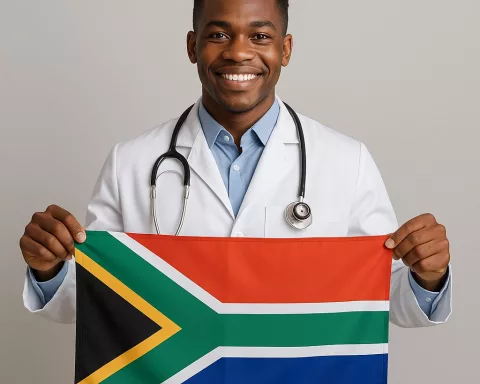

South Africa’s 2023 Marriage Bill aims to bring all kinds of marriages—civil, customary, religious, and same-sex—under one fair and equal law. In the Free State, people from all walks of life gathered to share their stories and hopes, helping lawmakers shape a law that truly fits their lives. The Bill protects rights like setting 18 as the minimum marriage age, fights fraud, and respects traditions while pushing for fairness and equality. This lively and open conversation shows how South Africans are building a future where every marriage and every voice counts.
What is the purpose of South Africa’s 2023 Marriage Bill?
The 2023 Marriage Bill aims to unify South Africa’s diverse marriage laws, giving equal legal recognition to civil, customary, religious, and same-sex marriages. It protects rights, sets the minimum marriage age at 18, addresses fraud, and respects cultural traditions while promoting gender equality and inclusivity.
Gathering Under One Roof: Citizens Shape the Future
As the winter sun crept over the highveld, Simon Sefuthi Hall in Bloemfontein welcomed a diverse cross-section of the Free State community. Leaders, elders, and young people arrived with purpose, ready to participate in a defining moment for South Africa’s democracy—the public consultation on the Marriage Bill of 2023. This gathering marked the sixth leg in a nationwide tour by Parliament’s Portfolio Committee on Home Affairs, which had already hosted similar forums in provinces such as Gauteng, KwaZulu-Natal, the Eastern Cape, Mpumalanga, and the North West.
The atmosphere buzzed with anticipation as people took their seats, some for their first opportunity to address the lawmakers directly. For many—especially the women sitting together along the back row—this was more than a public event; it was a critical chance to voice concerns rooted in both personal experience and collective memory. Their stories, shaped by customs and laws from generations past, were ready to be heard in a new chapter for South Africa.
Inside the hall, Parliament’s intention was clear: to invite every South African into the process of shaping a law at the heart of family life. This gathering, and others like it, aimed to ensure that marriage law reform responded not to abstract ideals, but to real-life experiences and expectations from citizens of all backgrounds.
From Patchwork Laws to a Unified Vision
South Africa’s marriage laws reflect the nation’s rich tapestry of cultural, religious, and historical influences. Since the country’s transition to democracy in 1994, three main statutes governed the recognition of marriages: the Marriage Act of 1961, which regulated civil unions; the Recognition of Customary Marriages Act of 1998, designed to honor African traditions; and the Civil Union Act of 2006, which affirmed the rights of same-sex couples. Each law emerged from unique social struggles—colonial bureaucracy, the push for post-apartheid justice, and the evolving movement for LGBTQ+ equality.
Yet, South Africans rarely fit neatly into the categories these laws created. Wedding ceremonies often blend elements of civil, religious, and customary practice, mirroring the reality that culture itself is dynamic and interconnected. The Marriage Bill of 2023 seeks to bring these overlapping traditions under one legal roof, offering a unified and inclusive approach that respects every faith, custom, and orientation.
This proposed law does not erase history. Instead, it acknowledges the complexity of relationships formed under previous statutes and ensures that all marriages—regardless of how or where they began—receive equal recognition in the eyes of the state. Through this approach, lawmakers hope to harmonize South Africa’s legal landscape with its lived diversity.
Public Participation: Democracy in Action
Section 59 of South Africa’s Constitution mandates that Parliament involve ordinary citizens in the law-making process. The Marriage Bill hearings are more than a procedural requirement; they bring democracy to life, echoing participatory traditions that stretch from ancient civic assemblies to modern-day town halls. These gatherings allow individuals to engage with the legislative process, ensuring laws are shaped by those they will affect most.
In the Free State, Parliament’s public education unit played a key role in informing attendees about the Bill’s provisions and implications. By equipping people with knowledge, organizers fostered informed debate and encouraged contributions grounded in personal experience and cultural understanding. Mr. Mosa Chabane, the committee chairperson, stressed that only by listening to a truly representative cross-section of society could Parliament craft a law that resonates with South Africa’s full diversity.
The atmosphere at the hearings reflected this spirit of inclusion. Elders brought wisdom, young people spoke with hope and urgency, and women shared stories that illuminated persistent injustices. This blend of perspectives created a rich dialogue, weaving together tradition, reform, and the promise of a more equitable society.
Stories from the Floor: Confronting Dilemmas Old and New
As the floor opened for public comment, a range of pressing issues surfaced—each one highlighting the complex realities South Africans face within the realm of marriage and family.
Fraudulent marriages emerged as a particularly troubling concern. One woman from the North West recounted discovering she had been falsely registered as married to a foreign national—a stranger—without her knowledge or consent. Her experience, echoed by other speakers, pointed to systemic abuse by corrupt officials in the Department of Home Affairs, with women bearing the brunt of these violations. Participants demanded not only stronger penalties for those complicit in such fraud, but also rigorous safeguards to protect vulnerable individuals from exploitation.
Customary practices also came under scrutiny, particularly the tradition of lobola—bride price. Young men and women voiced frustration at how this custom, once intended to foster unity between families, had been transformed into a commercial transaction. Parents, they argued, often demanded excessive payments, turning what should be a gesture of respect and connection into a financial burden. “Love and respect should be at the heart of marriage, not monetary gain,” one young woman declared, drawing murmurs of agreement from across the hall. This feedback challenged lawmakers to find ways of respecting cultural traditions while preventing their abuse.
Perhaps the most heated discussions arose around the practice known as “ukungenwa” (in Zulu) or “sea-ntlo” (in Setswana), where a widow is expected to marry her late husband’s brother. Women described this custom as an affront to their autonomy and dignity—a vestige of an era that denied women basic rights. “We are not possessions to be handed down,” insisted one speaker. These testimonies forced the committee to wrestle with the complex interplay between preserving cultural heritage and advancing gender equality—a debate that sits at the heart of South Africa’s ongoing social transformation.
Unpacking the New Marriage Bill: Principles and Protections
The 2023 Marriage Bill proposes a sweeping overhaul aimed at streamlining and unifying marriage law in South Africa. Under its provisions, all marriages—regardless of religious, customary, or civil foundation—would carry equal legal standing. By doing so, the Bill recognizes the legitimacy of unions conducted according to any faith, culture, or set of beliefs, reflecting the pluralism at the core of South African society.
A key pillar of the proposed law addresses the rights of children and the elimination of child marriage. In alignment with South Africa’s international commitments—such as the Convention on the Rights of the Child and the African Charter on the Rights and Welfare of the Child—the Bill sets the minimum marriage age at 18 for both parties. Violations will attract penalties, closing previous loopholes that allowed harmful practices to continue unchecked in certain communities. This provision reflects a broader global shift toward protecting children from exploitation and forced marriage.
The Bill also empowers the Minister of Home Affairs to appoint marriage officers from a broad spectrum of society, including traditional leaders. This approach respects the legitimacy of those who conduct marriages in different cultural contexts, while holding them to consistent legal standards. The requirements for becoming a marriage officer now blend cultural authority with accountability under the law, striving to balance tradition with the need for clear and enforceable protections.
The Hearings in Motion: Reflecting a Nation’s Diversity
The public hearings spanned multiple venues, from Bloemfontein’s Simon Sefuthi Hall to Welkom’s Toronto Recreation Centre and Bethlehem’s New Hall. At each stop, new voices entered the conversation, bringing personal experiences and aspirations to the fore. Some participants testified to the pain of past injustices, others spoke from a desire to preserve cherished traditions, and still others looked ahead, hoping the new law would foster greater fairness for all.
Conversations spilled into the foyers, enlivened by the sounds of Sesotho, Afrikaans, isiZulu, and English. The mood shifted between solemn reflection and spirited debate, but participants shared a collective understanding: the legitimacy of marriage law depends on the contributions of the people it serves. The process evoked memories of the Truth and Reconciliation Commission, where storytelling offered both healing and justice, and where individual narratives became part of the national fabric.
By inviting citizens to engage directly with lawmakers, the hearings honored the principle that the personal and political are inseparable. In this forum, every story mattered, and every perspective contributed to a law that would shape the lives of millions.
Looking Forward: Building on Dialogue and Inclusion
The public hearings in the Free State represent just one chapter in the journey toward a new, unified marriage law for South Africa. The issues raised—ranging from systemic fraud and gender-based injustices to debates around lobola and the recognition of diverse unions—mirror broader global conversations about the rights and responsibilities embedded in marriage.
South Africa’s experience offers a compelling example of how a postcolonial society can negotiate its identity, blending inherited traditions with a commitment to equality and human rights. Through open forums and sustained public engagement, the nation demonstrates that the process of lawmaking is as important as the final statute itself.
At the heart of this journey lies an implicit promise: the law will reflect not only the wisdom of the courts or the intentions of legislators, but the lived reality of every South African. By listening to voices from every corner of the country, Parliament lays the groundwork for a marriage law that honors both the past and the future, strengthening the bonds that hold South Africa together.
Word count: approx. 1,200 words
What is the main goal of South Africa’s 2023 Marriage Bill?
The 2023 Marriage Bill aims to unify all forms of marriage in South Africa—civil, customary, religious, and same-sex—under a single, fair, and equal legal framework. It seeks to ensure equal recognition for all marriages, protect rights such as setting the minimum marriage age at 18, fight fraud, and respect cultural traditions while promoting gender equality and inclusivity.
How does the Marriage Bill address cultural and customary practices?
The Bill respects South Africa’s diverse cultural heritage by recognizing marriages conducted under customary laws and religious traditions. It balances this respect with the need to prevent abuses by setting clear legal standards. For example, it addresses controversial practices like lobola (bride price) and “ukungenwa” (widow inheritance), encouraging reforms that protect individuals’ rights without erasing cultural identity.
What role did public participation play in shaping the Marriage Bill?
Public participation was central to the Bill’s development. Through nationwide hearings, including those in the Free State, people from various backgrounds shared personal stories, challenges, and hopes. These consultations, mandated by Section 59 of the Constitution, helped lawmakers craft a law grounded in real-life experiences—making democracy tangible and inclusive in the lawmaking process.
How does the Bill protect against fraudulent marriages?
The Bill introduces stronger safeguards against fraudulent marriages, which have disproportionately harmed vulnerable groups, especially women. It mandates stricter verification processes and imposes harsher penalties on officials or individuals involved in marriage fraud. This aims to stop abuses such as false registrations and protect citizens from exploitation.
What changes does the Marriage Bill propose regarding the minimum marriage age?
In line with international human rights commitments, the Bill sets the minimum legal age for marriage at 18 for both parties. This measure aims to eliminate child marriages, which have serious negative consequences for young people’s health, education, and rights. The Bill also introduces penalties for violations, closing previous loopholes that allowed underage marriages in certain communities.
Who can be appointed as marriage officers under the new Bill?
The Bill empowers the Minister of Home Affairs to appoint marriage officers from a wide range of society, including traditional leaders, religious figures, and civil officials. This inclusive approach ensures that those officiating marriages represent South Africa’s cultural and social diversity while being accountable to consistent legal standards that protect the rights of all parties involved.