The Global Sumud Flotilla is a powerful group of over 50 ships from around the world, including South Africa, sailing to Gaza with food, medicine, and hope. Inspired by South Africa’s own fight against apartheid, these volunteers boldly challenge the blockade, turning simple supplies into symbols of steadfast resistance. With Mandela’s grandson among them, the mission blends history, courage, and care, sending a strong message that justice comes through action and global unity. Their voyage shines a bright light on Gaza’s suffering and calls the world to stand together for peace and freedom.
What is the Global Sumud Flotilla and South Africa’s role in supporting Gaza?
The Global Sumud Flotilla is a multinational coalition of over 50 ships delivering humanitarian aid like food and medicine to Gaza, challenging the blockade. South Africans, inspired by their anti-apartheid legacy, actively participate to promote global solidarity, legal advocacy, and direct action for justice.
The Dawn of a Collective Endeavor
As the Mediterranean awakens in early September, its harbors bustle with anticipation. On the docks, a sense of urgency pulses through the crowds. Volunteers, activists, and journalists gather around vessels soon to embark on a historic mission. Among these figures, Mandla Mandela – grandson of South Africa’s revered statesman Nelson Mandela – steps aboard, his presence a living testament to the intertwining of personal legacy and political purpose. He is joined by a diverse assembly from more than 44 countries, all converging under the banner of the Global Sumud Flotilla.
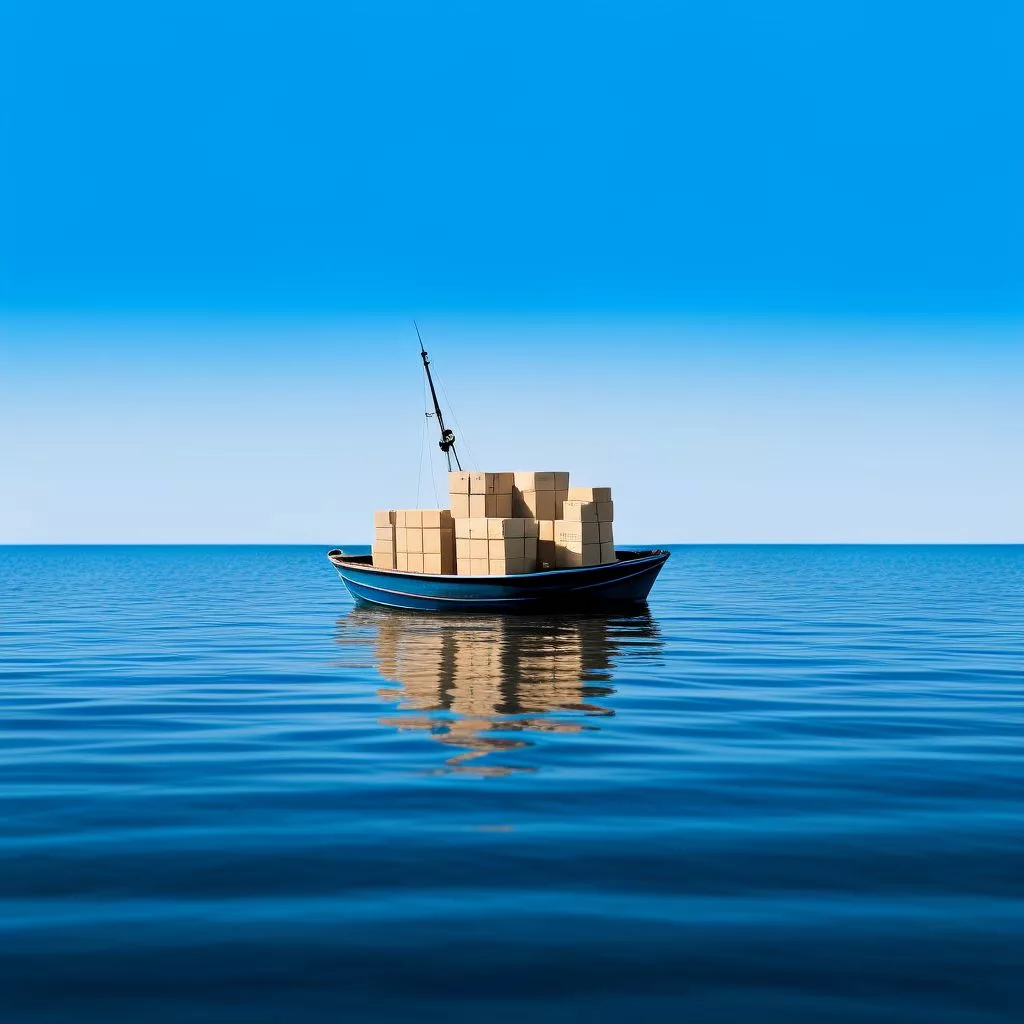
This multinational effort signals more than a routine delivery of goods. Instead, over 50 ships set sail as coordinated symbols of defiance, each one carrying vital aid: baby formula, antibiotics, food staples, and supplies for the injured. Their collective goal is as bold as it is simple – to breach the blockade on Gaza by providing direct humanitarian relief and drawing the world’s attention to a crisis that has persisted for years. The organizational strategy is strikingly decentralized; rather than form a traditional convoy, the flotilla disperses its fleet, making every small craft both a beacon and a challenge to the status quo.
Humanitarian missions of this scale do not arise in a vacuum. Each crate and each passenger embodies a response to prolonged suffering and political inaction. For the people gathered on these decks, the mission is not only about material relief. It is a confrontation with a blockade that has become a central flashpoint in debates over international law, ethics, and the power of global solidarity.
South Africa’s Resonance: From Legal Advocacy to Direct Action
South Africa’s role in the flotilla carries a unique historical gravity. The memory of apartheid and the struggle for freedom remain deeply etched in the national consciousness. Figures like Mandla Mandela and journalist Yusuf Omar evoke memories of decades-long resistance and international alliances. Reflecting on the journey, Omar observes, “Many draw inspiration from South Africa’s anti-apartheid struggle. The thread is global solidarity.”
This mission reflects a significant evolution in strategy. Where previous campaigns relied heavily on legal instruments – such as appeals to the International Court of Justice – participants now commit themselves physically to the cause. Their direct involvement recalls the tactics of earlier South African activists, who often blended advocacy, civil disobedience, and international outreach in their quest to dismantle apartheid.
The roots of this solidarity run deep. The South African movement’s alliances with other struggles, from the American civil rights era to anti-nuclear actions in Europe, offer a template for today’s coalition. By joining the Global Sumud Flotilla, South Africans signal their belief that justice requires both words and deeds. Their presence is a statement – one that bridges past victories with present challenges.
Humanitarian Aid as a Statement of Resistance
The supplies filling the flotilla’s hulls – ordinary items like medicine and food – take on extraordinary meaning in the context of Gaza’s siege. Each delivery is both an act of compassion and a pointed critique of the blockade. The very existence of these shipments underscores the ongoing deprivation faced by civilians in Gaza and the world’s responsibility to respond.
Throughout history, artists and thinkers have understood that even the mundane can become a powerful symbol. The Dadaists repurposed everyday objects to challenge prevailing norms and expose systems of power. Similarly, the simple presence of baby formula or a box of bandages on these vessels transforms humanitarian aid into a form of protest. The flotilla’s name, inspired by the Arabic word “sumud” (steadfastness), encapsulates this ethos. Every package and every journey affirms an unwavering commitment to resistance through nonviolence.
This symbolism resonates deeply within Palestinian history. During the first Intifada, the image of the olive tree – paired with the word sumud – became a popular emblem of resilience. Today’s mission revives that legacy, substituting confrontation with endurance and hope. It reinforces the idea that steadfastness, even in the smallest acts, can serve as a counterforce to oppression.
Testing the Boundaries: Law, Witness, and International Conscience
Organizers of the flotilla anchor their actions firmly within international maritime law. They insist on the right of unarmed civilian vessels to deliver humanitarian aid, as recognized by global conventions. Legal experts travel alongside the activists, prepared to document each interaction and communicate developments instantly to the world. This transparency is not accidental; it arises out of hard lessons learned from earlier efforts, particularly the tragic 2010 Mavi Marmara incident, where a lack of oversight had dire consequences.
Recent decisions by the International Court of Justice have directed Israel to facilitate humanitarian access to Gaza. However, activists argue that these orders remain largely unheeded, with border closures and bureaucratic hurdles stalling the delivery of vital aid. Feroza Mayet, representing the South African BDS Coalition, points out, “Israel has failed to comply with these binding measures.” For her and many others, sailing with the flotilla is not just about immediate relief – it is a test case for the international community’s willingness to enforce its own judgments.
By publicizing every step, organizers aim to hold power accountable. Their approach reflects a growing understanding that legal victories alone do not guarantee justice. Only by combining law, witness, and activism can movements hope to penetrate the inertia of international politics. The flotilla thus becomes a floating tribunal, exposing the limits of existing mechanisms and urging the global conscience into action.
Tactics of Modern Solidarity: Networks, Technology, and Memory
The Sumud Flotilla’s structure reflects a new era of activism. Rather than depend on a single, centralized organization, the movement operates as a decentralized network. This model – reminiscent of the “rhizome” described by philosophers Deleuze and Guattari – allows each boat to function independently while maintaining a shared sense of purpose. The diversity of participants – from legal observers and medical workers to artists and faith leaders – underscores the mission’s inclusive spirit.
Modern technology amplifies the flotilla’s reach. Satellite phones, encrypted messaging, and livestreaming equipment ensure that the world can follow events in real time. This connectivity serves as both protection and megaphone, deterring potential violence and guaranteeing that every development becomes part of the public record. The approach builds on the lessons of the Arab Spring, when citizen journalists helped reshape the global media landscape.
The flotilla also draws on the rich traditions of protest art and performance. Banners, songs, and poetry infuse the journey, transforming it into a living work of collective memory. These creative expressions forge emotional connections that transcend political boundaries. They remind participants and observers alike that struggles for justice are as much about culture, spirit, and identity as they are about policy and law.
South African Echoes and the Power of Living Theatre
For many South Africans, the voyage evokes memories of their own country’s long isolation and eventual reintegration into the world community. During apartheid, countless acts of international solidarity, from boycott campaigns to clandestine supply missions, chipped away at the regime’s foundations. Mandla Mandela’s participation in the flotilla reinforces this historical symmetry. He embodies a bridge between generations, linking past struggles with present ones.
The journey itself becomes a form of political theatre. Like the Peace Ship expeditions of the early twentieth century, the flotilla dramatizes the refusal to accept injustice. Each mile traveled turns the mission into a public act of witness. Journalists and medical personnel stand ready, their presence both shield and signal. Every encounter on the high seas becomes a scene in a larger drama, one that calls on global audiences to bear witness and respond.
Ultimately, the Global Sumud Flotilla is more than a collection of boats. It is a tapestry of stories, ambitions, and memories woven together by a shared belief in the power of solidarity. Even as obstacles loom and uncertainty persists, those aboard remain steadfast. Their journey may not break the blockade overnight, but it adds another vital chapter to the ongoing history of resistance, hope, and human connection.
What is the Global Sumud Flotilla and what does it aim to achieve?
The Global Sumud Flotilla is a multinational coalition of over 50 ships sailing to Gaza with humanitarian aid such as food, medicine, and essential supplies. Its mission is to challenge the Israeli blockade of Gaza by delivering direct aid while drawing global attention to the ongoing humanitarian crisis. The flotilla symbolizes resistance and solidarity, aiming to break the siege through peaceful, steadfast action and to inspire international unity for justice and freedom in Gaza.
How is South Africa involved in the Global Sumud Flotilla?
South Africa plays a significant role both symbolically and practically. Inspired by its own anti-apartheid struggle, South African activists, including prominent figures like Mandla Mandela (Nelson Mandela’s grandson) and journalist Yusuf Omar, actively participate in the flotilla. South Africa contributes volunteers, legal advocates, and humanitarian aid, blending direct action with legal advocacy to promote global solidarity. Their involvement reflects a historical continuum of resistance and highlights the country’s commitment to justice beyond its borders.
What kinds of humanitarian aid are being delivered on the flotilla?
The flotilla carries vital supplies including baby formula, antibiotics, food staples, and medical materials to assist injured civilians. These ordinary items take on extraordinary meaning as symbols of resistance against deprivation caused by the blockade. The deliveries emphasize the urgent needs of Gaza’s people and serve as a nonviolent form of protest against the ongoing siege, reinforcing the ethos of “sumud” – steadfastness and endurance amid hardship.
How does the flotilla operate in terms of organization and strategy?
Rather than forming a centralized convoy, the flotilla functions as a decentralized network of independent vessels sailing under a shared purpose. This structure enhances operational flexibility and resilience, turning each ship into a beacon of defiance. The movement leverages modern technology like satellite communication, encrypted messaging, and live streaming to document the journey in real time, increase transparency, and ensure global audiences can witness events as they unfold.
What legal and international frameworks support the flotilla’s mission?
The flotilla bases its actions on international maritime law, which recognizes the right of unarmed civilian vessels to deliver humanitarian aid. Legal experts onboard monitor compliance and document any violations. Recent rulings by the International Court of Justice have called for unhindered humanitarian access to Gaza, but activists argue these orders are not fully respected. The flotilla acts as a test case to pressure the international community to enforce legal mandates and uphold humanitarian principles.
Why is the Global Sumud Flotilla considered a form of political and cultural resistance?
Beyond delivering aid, the flotilla embodies a living form of political theatre and cultural solidarity. Drawing on South Africa’s legacy and Palestinian symbols of resilience like the olive tree and the concept of “sumud,” the mission transforms humanitarian action into a powerful statement against oppression. Through banners, songs, poetry, and diverse participants – including artists, faith leaders, and legal observers – the flotilla weaves a narrative of hope, collective memory, and nonviolent resistance that transcends borders and calls for global justice.