
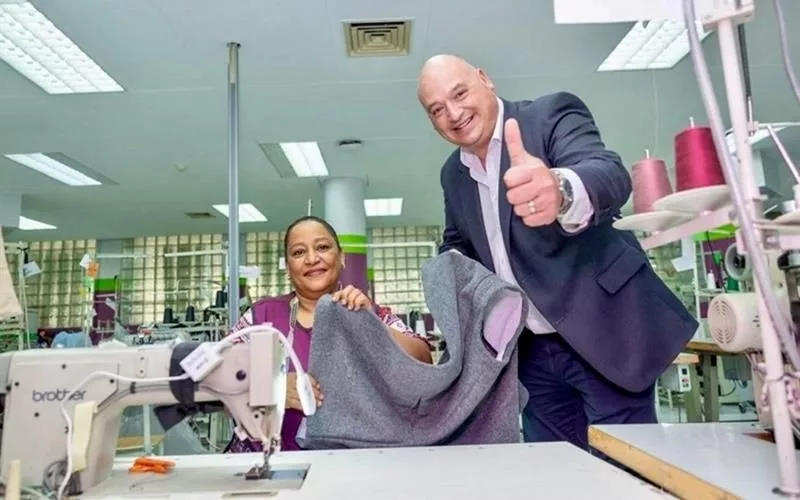
Cape Town’s clothing industry is rising strong by working together and trying new ideas. Programs like Project Present help workers stay more present and focused, while Origin8 supports small makers to grow and succeed. Leaders are trained from within the factories to guide teams and keep everyone moving forward. This mix of old skills and fresh thinking is helping the city’s factories create more jobs and make better, locally made clothes. Cape Town shows how teamwork and smart changes can bring hope and a bright future to a proud tradition.
How is Cape Town’s clothing industry innovating and promoting inclusive growth?
Cape Town’s clothing industry embraces innovation and inclusion through collaborative clusters like the Cape Clothing and Textile Cluster (CCTC). Key initiatives include reducing absenteeism with Project Present, supporting small manufacturers via Origin8, and developing leaders with the Team Leaders Programme, fostering sustainable and inclusive growth.
A Tradition of Endurance and Renewal
Cape Town’s clothing and textile industry pulses at the city’s core, its legacy stitched into the very fabric of the community. For generations, the rhythmic sound of sewing machines has echoed through the aging brick-walled factories, telling a tale of tenacity and adaptability. From its inception during colonial times, the industry expanded alongside waves of migration and commerce, supplying both local and international markets. Thousands found employment here, and the sector became a vital part of the city’s social and economic landscape.
However, recent decades brought formidable challenges. The influx of multinational retailers and the surge of inexpensive imports—particularly from Asia—placed immense pressure on local manufacturers. Cape Town’s factories faced mounting competition on price, speed, and quality, leading to closures and significant job losses. These market shifts threatened to unravel a tradition that had weathered many storms before.
Despite these setbacks, Cape Town chose not to withdraw but to reimagine its future. The city embarked on a path of collaboration rather than competition, taking cues from globally respected industrial clusters such as those in Prato, Italy, and Germany’s Mittelstand. This approach fostered an environment of mutual support among manufacturers, allowing them to share expertise, combine resources, and collectively strategize against common challenges. The Cape Clothing and Textile Cluster (CCTC) emerged as a driving force in this movement, providing a platform for cooperation and inspiring innovative solutions throughout the sector.
Innovation in Action: Programs Shaping the Industry’s Future
Within the framework established by the CCTC, a series of transformative programs has breathed new life into Cape Town’s clothing and textile sector. One notable example is Project Present, which tackles one of the industry’s longstanding issues—absenteeism. Though the aim appears straightforward, the program’s impact has been profound. Over a span of seven months, Project Present reclaimed more than 1.2 million minutes of lost production, resulting in an efficiency increase exceeding 11%. Workers and supervisors alike report heightened accountability and unity, with previously disrupted workflows replaced by seamless, synchronized operations.
Support for small and midsize manufacturers has also taken center stage through the Origin8 initiative. Recognizing that growth and survival often depend on a company’s ability to scale, Origin8 offers crucial guidance in marketing, supply chain management, and strategic planning. This program’s democratizing influence ensures that innovation is not restricted to industry giants; small-scale producers now have the opportunity to thrive, echoing the inclusive spirit of the Bauhaus—where creativity and practicality harmonize for the benefit of all.
Human capital development remains an essential pillar of the industry’s resurgence. The Team Leaders Programme exemplifies how strategic skills training elevates the entire workforce. By cultivating leaders from within the ranks, factories not only boost operational performance but also nurture a culture of mentorship and solidarity. These team leaders become pivotal in guiding colleagues through technological and procedural changes, fostering a sense of purpose and cohesion that radiates well beyond the production line.
A Blueprint for Inclusive and Sustainable Growth
The city’s vision for economic expansion rests on three core principles: drawing investment, equipping workers for change, and ensuring growth benefits everyone. Alderman James Vos, who champions economic development in Cape Town, embodies this mission. His recognition at the CCTC’s 20th Annual General Meeting—where he received the Industry Champion Award—signaled the collective nature of the sector’s recent progress. The accolade reflected not only individual achievement but also a community’s capacity to steer an industry toward stability and prosperity through shared effort.
This collaborative blueprint extends far beyond clothing and textiles. Cape Town now applies the cluster model to other vital sectors, including marine manufacturing, business process outsourcing, and clean technology. Each industry brings unique challenges, but all benefit from the same ethos of partnership and shared innovation. The city’s commitment to sustainable, inclusive development mirrors the values of the Arts and Crafts movement—emphasizing both the dignity of labor and the necessity of continuous adaptation.
At the heart of every policy and initiative are the people whose dedication drives the industry forward. Factory visits reveal the skilled hands and proud spirits that shape Cape Town’s garments. Artisans like Wilma Engelbrecht at Prestige Clothing in Epping represent the enduring craftsmanship and mentorship that recall the traditions of Europe’s guilds. Their stories highlight the human dimension of industrial achievement, grounding economic strategies in lived experience and personal pride.
Building Toward 2030: Ambitions and Global Relevance
Looking ahead, the CCTC’s targets for 2030 set a bold agenda. The cluster aims to localize production for an additional 30 million garments each year, create 12,500 new jobs, and attract R2 billion in investment across the value chain. Achieving these goals demands ongoing innovation and robust resilience—qualities that Cape Town’s manufacturers have already demonstrated by currently supplying over 110 million garments annually to national retail supply networks.
The sector’s renewal relies on more than just impressive figures. Its revival draws strength from the determination and unity of those who refuse to let outside forces dictate their destiny. Cape Town’s approach evokes the Japanese principle of “ganbaru,” reflecting a commitment to perseverance and growth amid adversity. Through sustained learning, collaboration, and inventive problem-solving, the clothing industry continues to foster hope and possibility.
Global examples provide relevant lessons for Cape Town’s journey. In the United States, regions once known as the Rust Belt have undergone revitalization by forming advanced manufacturing clusters, breathing new life into entire cities. Bangladesh’s garment sector has found success by emphasizing worker safety and skill development, generating both economic growth and social improvements. Cape Town’s model, informed by international best practices and local creativity, positions it as a leader in equitable industrial transformation.
The movement to strengthen local production resonates with current debates about globalization, sustainability, and ethical manufacturing. By prioritizing local sourcing, Cape Town’s industry considers not only market demands but also labor rights, environmental stewardship, and the broader well-being of the community. The sector’s evolution reflects a deep commitment to social justice, striving for a balance between opportunity, fairness, and innovation.
An Industry Reimagined: Partnerships, Potential, and a Shared Future
A walk through Cape Town’s industrial districts—places like Epping and Salt River—reveals a thriving ecosystem where tradition meets technology. Factories now blend state-of-the-art innovations such as digital pattern cutting and automated sewing with long-held craftsmanship. Young apprentices learn alongside seasoned veterans, and new brands emerge with a focus on ethical sourcing and contemporary design. Retailers are beginning to value the benefits of local production, such as flexibility, reliability, and authenticity, prompting a shift in supply chain strategies that favors homegrown talent.
The success of Cape Town’s cluster model underscores the importance of broad participation. Lasting progress depends on the engagement of government, business owners, labor unions, and educational institutions. Through open forums, ongoing training, and mentorship opportunities, the sector continues to bridge divides and foster collaboration. Every project, whether large or small, adds to the city’s vibrant tapestry—a collective effort to transform adversity into prosperity.
Cape Town’s clothing and textile industry stands as a testament to what can be achieved through resilience, ingenuity, and unity. As the sector looks to the future, it does so with a clear vision: to build an inclusive, dynamic industry that honors its rich heritage while embracing the possibilities of tomorrow. By weaving together tradition and innovation, Cape Town sets a powerful example for communities seeking renewal in a rapidly changing world.
Frequently Asked Questions (FAQ) about Cape Town’s Clothing Industry Transformation
1. How is Cape Town’s clothing industry addressing challenges from global competition?
Cape Town’s clothing industry is overcoming global competition by fostering collaboration through the Cape Clothing and Textile Cluster (CCTC). Instead of competing individually, local manufacturers share resources, expertise, and strategic planning to increase competitiveness. Programs like Project Present reduce absenteeism and boost productivity, while Origin8 supports small manufacturers to scale up. This collective approach helps factories improve quality, speed, and efficiency to better compete with inexpensive imports and multinational retailers.
2. What innovative programs are helping Cape Town’s clothing sector grow?
Several key programs are driving innovation and growth, including:
- Project Present: Tackles absenteeism, reclaiming millions of lost production minutes and improving workplace accountability and cohesion.
- Origin8: Provides marketing, supply chain, and strategic planning support to small and midsize manufacturers, enabling them to grow sustainably.
- Team Leaders Programme: Develops leadership skills within factories by training team leaders from the workforce to mentor others and manage change effectively.
These initiatives blend traditional skills with modern management, creating a dynamic and inclusive industry environment.
3. How does the industry promote inclusion and sustainable development?
Inclusion is promoted by engaging all stakeholders—workers, factory leaders, small businesses, government, and unions—in collaborative programs that benefit everyone. The cluster model ensures that small and midsize manufacturers receive support alongside larger ones, fostering equitable growth. Sustainability is a priority through local sourcing, ethical labor practices, and environmental stewardship. Cape Town’s approach reflects the values of dignity of labor and continuous adaptation, aiming to generate economic benefits while respecting social and ecological wellbeing.
4. What role does leadership development play in the industry’s resurgence?
Leadership development is crucial. The Team Leaders Programme cultivates leaders from within factory ranks who understand both the technical and human sides of production. These leaders guide teams through technological changes, improve communication, and foster a culture of mentorship, accountability, and unity. By empowering workers to take on leadership roles, factories improve operational performance and create a positive work environment that supports long-term growth.
5. What are the future goals for Cape Town’s clothing and textile sector?
By 2030, the CCTC aims to:
- Localize production of an additional 30 million garments annually,
- Create 12,500 new jobs,
- Attract R2 billion in investment across the value chain.
To meet these goals, the industry will continue innovating, scaling local manufacturing, and emphasizing resilience and collaboration. The focus will remain on balancing economic success with social justice, sustainability, and community wellbeing.
6. How does Cape Town’s industry model relate to global trends in manufacturing?
Cape Town’s industry draws lessons from global examples such as Italy’s Prato cluster, Germany’s Mittelstand, the U.S. Rust Belt revitalization, and Bangladesh’s garment sector improvements. Like these regions, Cape Town uses cluster-based collaboration, skill development, and innovation to revive manufacturing. Its model addresses contemporary issues including globalization’s impact, worker safety, ethical production, and environmental responsibility. By prioritizing local production and inclusive growth, Cape Town offers a replicable blueprint for sustainable industrial transformation worldwide.