
Western Cape Embraces Renewable Energy Tax Incentives

1 min read
renewable energy tax incentives

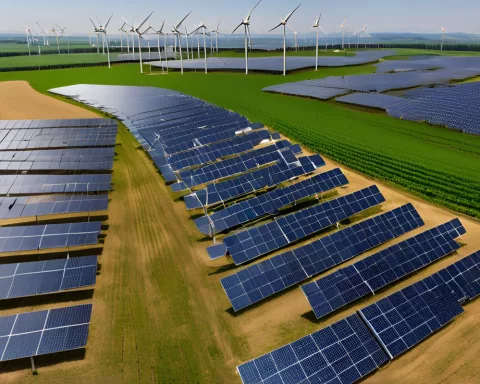
The Western Cape province in South Africa is committed to a sustainable future, and it is making significant strides towards achieving this goal. One of the ways the province is supporting the use of renewable energy sources is through tax incentives, as highlighted by the Director of Personal Income Tax at the National Treasury, Marle Van Niekerk, during Premier Alan Winde’s 13th Energy Digicon.

Tax Incentives for Renewable Energy

Van Niekerk emphasized the behavioral incentive of the tax breaks for both households and businesses to go beyond their usual levels of energy consumption and production. The incentives aim to increase clean energy generation, which is essential for a greener future.

Newsletter

Stay Informed • Cape Town

Get breaking news, events, and local stories delivered to your inbox daily. All the news that matters in under 5 minutes.

Join 10,000+ readers
No spam, unsubscribe anytime

Individuals can claim a 25% deduction on the cost of installing solar photovoltaic (PV) rooftop panels, capped at R15,000 for one year starting from March 1st, 2023. Businesses, on the other hand, can deduct 125% of the cost of assets that produce renewable energy. However, if the assets are sold before the designated deadline, the taxpayer must pay back the credit.

Although the estimated revenue forgone for the current tax year is around R4 billion, Van Niekerk encourages those who can to claim the incentive to increase clean energy generation.

Premier Winde’s Recommendations

Premier Winde acknowledges the tax breaks as a starting point for alleviating the burden of power outages, especially with winter approaching, but he believes more needs to be done. Winde called for an increase in the tax break incentive for small and medium-sized enterprises (SMMEs) from 125% to 140%. He also recommended allowing households’ tax rebates on a broader range of energy-producing and saving products, including LED bulbs, ripple control geysers, and LPG gas for stoves. Additionally, Winde proposed increasing the tax break incentive for households from R15,000 to R40,000.

Western Cape Government’s Energy Resilience Program

During the Energy Digicon, Alwie Lester, Special Advisor on Energy to the Premier, updated attendees on the Western Cape Government’s short- and medium-term initiatives. The Western Cape Energy Resilience Program is making steady progress, and load shedding emergency packs are now available. In the coming weeks, the towns in the province that will become load shedding-free will be announced.

Furthermore, Lester reported that the country’s energy availability factor has increased to 56% this week, marking the second-highest figure in the past 12 months. This improvement can be attributed, in part, to a decrease in unplanned outages. However, Lester emphasized that the reserve margin remains below the power system requirements, indicating that more work must be done to fully address South Africa’s energy needs.

The Western Cape province’s dedication to renewable energy sources and tax incentives demonstrates its commitment to paving the way for a more sustainable and resilient future. By embracing clean energy, the province is not only contributing to the global effort to reduce carbon emissions but also alleviating the burden of power outages for households and businesses.


A Russian-Spanish journalist and Cape Town native, channels his lifelong passion for South Africa into captivating stories for his local blog. With a diverse background and 50 years of rich experiences, Serjio's unique voice resonates with readers seeking to explore Cape Town's vibrant culture. His love for the city shines through in every piece, making Serjio the go-to source for the latest in South African adventures.

Leave a Reply

Your email address will not be published.

Previous Story

Cape Town Mayor Hill-Lewis Receives Clean Audit Award for 2021-22

Next Story

Western Cape’s Tourism Industry: Beyond Recovery and Towards Growth

Latest from Blog

The Driveway That Won’t Forget: What a Judge Found When He Reopened the Chris Hani File

A new book by retired judge Chris Nicholson digs into the Chris Hani assassination, finding shocking new clues. He suggests there might have been a second shooter, pointing to a mystery fourth bullet that doesn’t match the killer’s gun. Even more unsettling, shredded military papers hint at a secret plan, “Project Ravel,” to eliminate Hani. Plus, Hani’s security was strangely pulled just before he was killed. This all paints a picture of a much bigger, dark conspiracy, not just a lone gunman.

Dawn, Dirt and Dinner: A Willowvale Kitchen Without Walls

In Willowvale, farmers cleverly plant in manurefilled pits to save water and feed the soil. They also build special ditches to catch rainwater, making sure not a single drop goes to waste. Cooking happens outdoors, over crackling fires, using fresh food grown right there. They even turn old things into new cooking tools. It’s all about living close to the earth and making every bit count, showing a deep love for nature.

Cape Town Quietly Rewrites the Rules Between Tradition and the State

Cape Town is cleverly changing how it supports traditional initiation camps. They now treat these camps like temporary city areas, providing water, toilets, and trash pickup. This helps keep everyone safe and healthy, using smart data to track everything. It’s a quiet revolution, making sure old traditions fit smoothly into modern city life, and other cities are starting to notice this clever plan.

South Africa Plays Hardball on Hoof-and-Mouth: A Five-Year Blitz to Reopen R7 Billion in Beef Trade

South Africa is launching a massive fiveyear plan to crush FootandMouth Disease for good. They’re upgrading labs, getting tons of vaccines, and working with villages to tag and track every animal. This tough new strategy, backed by big money, aims to reopen a R7 billion beef trade with countries like China and the EU. They’re using strict rules, new tech, and even special meetings with local leaders to make sure no sick animal slips through. It’s a fullon war to protect their cattle and bring back their valuable beef exports!