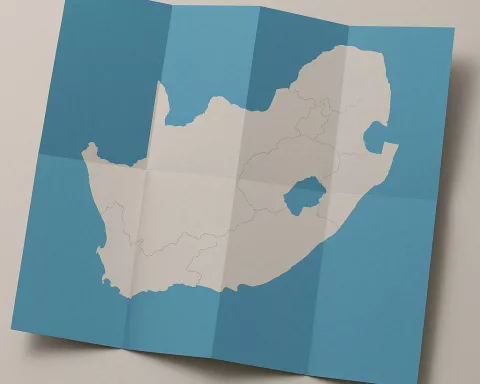
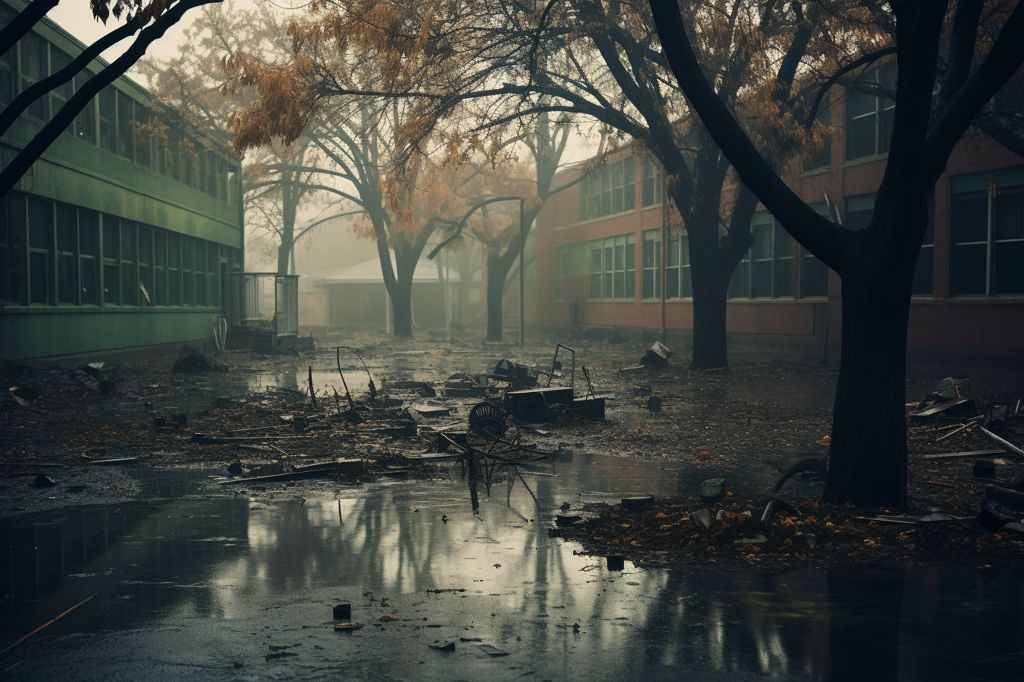
In the aftermath of fierce storms, Western Cape schools have struggled to recover. Over 24 schools remained closed due to damage and obstructed access roads, with 249 schools in total being substantially affected by the storm. Teachers, government officials, and emergency services are collaborating to ensure the swift reopening of the schools and have implemented catch-up plans for students to make up for lost days. Despite the challenges, the Western Cape community remains committed to their children’s education and well-being, demonstrating resilience and unity in the face of adversity.
Devastating Impact on Education
As the Western Cape recovers from fierce storms, about 24 schools stayed shut due to immense damage and obstructed access roads. The storm’s aftermath interfered with students’ return after the Heritage Day weekend, leaving educators and government officials rushing to evaluate the impact and find ways to recover.
In total, 249 schools in the area were substantially affected by the storms. The provincial education department mentioned that 39 schools were closed on Tuesday, dropping to 21 on Wednesday. The majority of the closures resulted from blocked access roads, making it impossible for students to reach their schools.
During a visit to Franschhoek High School, Education MEC David Maynier evaluated the damage to the school, which has been closed since the storms struck. With no water or electricity supply and severe flooding of access roads, the school’s 650 learners could not attend.
Low Attendance and Recovery Plans
While numerous other schools continued to operate, they also reported low attendance as students struggled to reach their destinations in flood-affected areas. According to initial figures, 30.1% of learners were unable to attend school on Tuesday, and 31.4% could not attend on Wednesday.
Officials are collaborating with schools to ensure they can reopen as swiftly as possible. Parents are urged to communicate with their schools for updates regarding closures. Catch-up plans will be implemented to help learners make up for lost school days.
Luckily, the upcoming spring holidays, starting on Friday, 29 September, will offer some relief. This break will allow for repairs and restoration of access to the affected schools. Infrastructure damages reported by 150 of the 249 affected schools ranged from minor leaks to severe roof damage, all of which are being assessed.
Community Resilience and Collaboration
The storms also took the lives of three students over the long weekend. The Western Cape’s education community grieves their loss, extending condolences to their families and providing counseling support to their schools.
During these challenging times, emergency services, government agencies, NGOs, and schools have united to offer assistance to teachers, learners, and parents as they recover from the storm’s devastating effects.
This catastrophe has emphasized the significance of community resilience and collaboration. The people of the Western Cape are showcasing their ability to support each other in times of crisis as they cooperate to repair the damage and ensure that education persists for their children.
As schools in the area endeavor to overcome these obstacles, the commitment and determination of teachers, administrators, and government officials are apparent. They are dedicated to finding solutions and providing support to ensure that learners do not lag as a result of these weather-related disruptions.
The Spirit of Perseverance and Unity
Despite the challenges they confront, the people of the Western Cape are demonstrating unwavering dedication to their children’s education and well-being. This spirit of persistence and unity is a testament to the strength of their community, and it will undeniably guide them through this tough period.
The storms may have left a trail of destruction behind, but the people of the Western Cape are proving that they can face the challenge of rebuilding and moving forward. As they collaborate to restore access to schools and repair damaged infrastructure, their joint efforts serve as a shining example of what can be achieved when communities unite in the face of adversity.
In the upcoming days and weeks, the Western Cape will continue to confront challenges as they rebuild and recover. But as they have demonstrated consistently, their resilience, determination, and spirit of cooperation will indubitably guide them through this trying period. With the support of their community, government agencies, and NGOs, the people of the Western Cape will ensure that their children’s education and future remain a top priority, even amidst adversity.
1. How many schools in the Western Cape were affected by the recent storms?
A total of 249 schools in the Western Cape were substantially affected by the recent storms.
2. How many schools remained closed due to damage and obstructed access roads?
Over 24 schools remained closed due to damage and obstructed access roads.
3. What is the impact of the storms on students’ return after Heritage Day weekend?
The storm’s aftermath interfered with students’ return after Heritage Day weekend, leaving educators and government officials rushing to evaluate the impact and find ways to recover.
4. What is the percentage of learners who were unable to attend school on Tuesday and Wednesday?
According to initial figures, 30.1% of learners were unable to attend school on Tuesday, and 31.4% could not attend on Wednesday.
5. What are catch-up plans?
Catch-up plans will be implemented to help learners make up for lost school days.
6. When will the upcoming spring holidays start?
The upcoming spring holidays will start on Friday, 29 September, offering some relief for repairs and restoration of access to affected schools.
7. How are emergency services, government agencies, NGOs and schools collaborating to help recover from the storms?
During these challenging times, emergency services, government agencies, NGOs, and schools have united to offer assistance to teachers, learners, and parents as they recover from the storm’s devastating effects.
8. What is the spirit of perseverance and unity demonstrated by the Western Cape community in the face of adversity?
Despite the challenges they confront, the people of the Western Cape are demonstrating unwavering dedication to their children’s education and well-being. This spirit of persistence and unity is a testament to the strength of their community, and it will undeniably guide them through this tough period.