A brave veterinary team faced a scary attack by nine masked men who wanted their van and medicines. The team, along with local heroes, fought back smartly. They kept their crucial vaccines safe and escaped the danger, showing how strong communities can be even when facing big threats.
What happened during the siege of Siyahlala Clinic?
An ARO veterinary team faced a violent attack by nine hooded figures who attempted to steal their van, vaccines, and hold them hostage. The team, with help from local residents, managed to escape, though the incident highlighted the dangers faced by outreach workers in the Cape Flats.
A Quiet Tuesday Turns Tactical
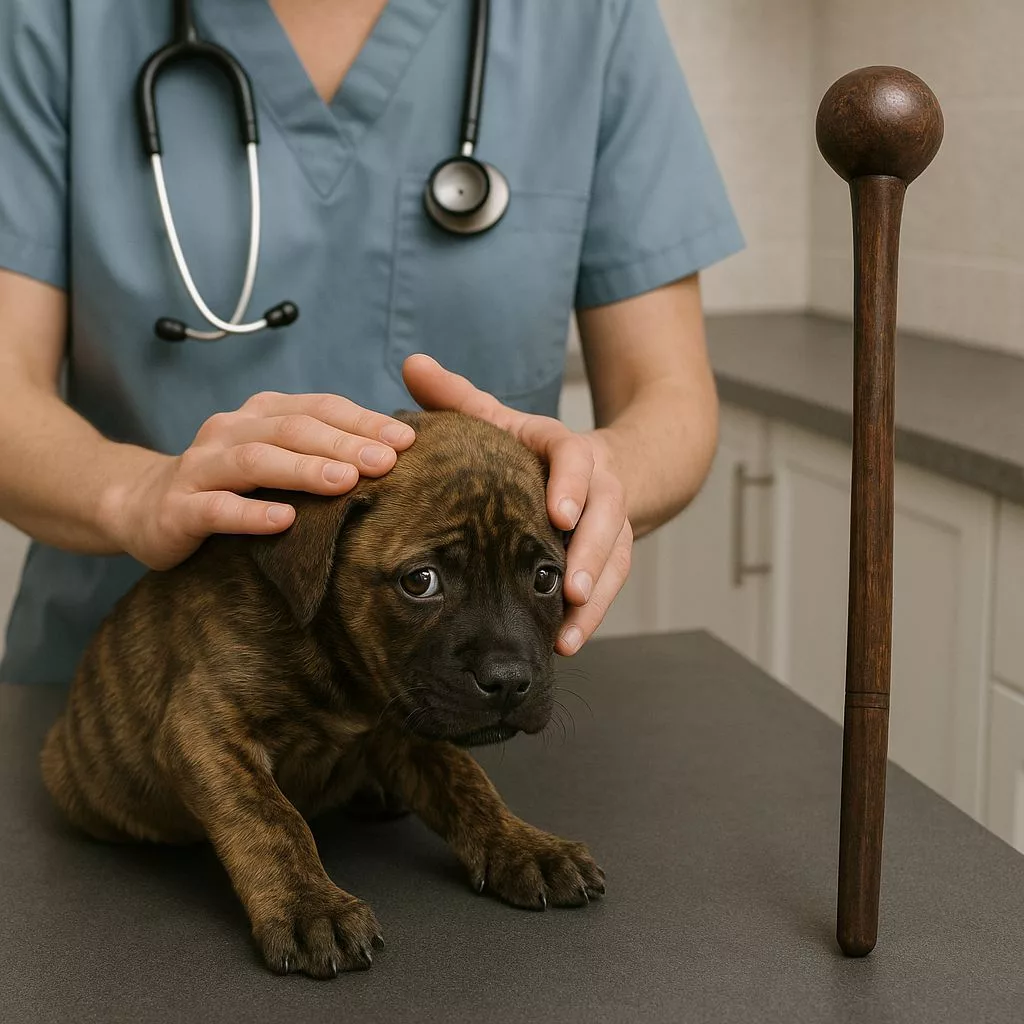
Dawn on the Cape Flats usually smells of wood smoke and warm vetkoek, but last week the gravel patch beside Philippi’s Siyahlala Clinic reeked only of diesel and dread. A sky-blue ARO van idled while Dr. Nandi Mokoena slipped a needle out of a brindle pup’s shoulder, volunteer nurse Claude October slapped labels on deworming vials, and driver Lindiwe Jantjes balanced a mileage log on her knee. No one heard the first stone until it rang against the panel like a cracked bell, sending every chained dog into a choir of warning barks.
Nine hooded figures emerged from the morning haze, moving with the patience of hunters who know the terrain by heart. Two stepped in front of the bonnet, arms folded, blocking the only exit lane. Three more yanked the rear doors so violently the rubber seals screamed. The rest fanned along the flank, tapping windows with knives that caught the low sun like broken mirrors. Silence held for three heartbeats before the tallest spoke: “Inkqubo closes now; this clinic belongs to us.” His isiXhosa carried the lazy vowels of the Flats, but the message landed like a boot on a throat.
Inside, Mokoena’s mind flicked into battlefield triage: nine bodies, nine variables, nine ways to vanish in a precinct where squad cars average 28 minutes and escort contracts do not exist for veterinarians. Claude returned the trembling pup to its owner with a whispered “Go – don’t turn,” yet the woman clutched the animal like flotsam until a knife tip jerked her toward the clinic gate. That left four ARO staffers and Mr. Domingo, a retired language teacher who spent Tuesdays translating between Spanish farmhands and isiXhosa neighbours. Seven lives, zero leverage.
The Calculus of Compliance and Revolt
The commander’s first demand was phones. Lindiwe hesitated; her Samsung stored three years of township GPS pins, sterilisation albums, 200 feeder-group chats – lose it and the whole Philippi grid would flat-line. The pause cost her: a younger assailant twisted her forearm until the bones sang like winter twigs. Claude lunged, caught a fist on the cheekbone, and dropped to one knee, blood blooming dark against his surgical mask. Mokoena felt the impact through the chassis before she saw the stain.
Still unsatisfied, the gang produced orange baling twine and began lassoing Lindiwe’s wrist to the driver’s mirror – improvised cuffs while others raided the glove box for road-worthiness papers, tucking them into socks like scalp trophies. Domingo tried balm instead of barricades: “Children, we came to mend dogs, not judge lives.” A backhand answer shattered his dentures across the dashboard, porcelain skittering like dice.
They wanted the van, its fridge of 400 vaccines, its stainless table, and – most valuable – hostages for ransom. One man clamped the examination fridge’s plug between his teeth, ready to rip it free. Another slid beneath the chassis to slash the fuel line, a tactic learned from copper-cable thieves. Yet township circuitry runs on invisible wires: a herd-boy walking his goat along the rail embankment recorded a voice note – “Blue vet van in trouble, Siyahlala side” – and fired it into a neighbourhood-watch thread modelled on Rio’s Grupo de Proteção. Seven minutes later, Aviwe Dyantyi jogged up the road, shirt off, Stinkwood knobkierie on his shoulder, two friends trailing galvanized pipe. They didn’t attack; they simply arrived, breathing hard, creating an outer ring that rewrote the math of fear.
A Fridge Bolted Down, a Future Priced in Puppies
Sensing the shift, the commander yanked the side door and tried to shove Mokoena into the driver’s seat – his new chauffeur. Instead, the team ignited a rehearsed but never-tested plan. Claude shoulder-checked the twine-holder, Lindiwe stomped an instep and hurled the keys into a storm-drain grinning with runoff, Mokoena cracked the fridge cord like a mini-bullwhip across the closest eyes, and Domingo yanked the handbrake so hard the ratchet echoed like a starting pistol. Dogs answered; the whole street barked. Aviwe’s group advanced one synchronous step; the gang retreated half. A corridor opened toward the clinic.
“Run!” Lindiwe screamed, and the four bolted through the gap, stethoscopes flapping like finish-line ribbons. They burst past shacks, past a vetkoek vendor who swore she saw wings, and crashed into the clinic waiting room where nurses mistook them for mass-shooting survivors. Only when the roller gate slammed did they notice bare feet – Claude’s sneakers gone, Mokoena’s sock shredded like surrender bunting.
Back at the van, the looters salvaged two iPhones, a stethoscope later hawked for R80, Lindiwe’s petrol wallet, and a branded cooler box now chilling beer in a Mitchells Plain shebeen. They missed the vaccine fridge; Torx screws installed after a 2019 Delft attempt held fast. More costly, they lost the hostages – an accounting line no township ransom ledger tolerates. Police arrived 19 minutes later, R5s and a borrowed anti-poaching drone sweeping empty streets that had already swallowed every footprint. Case 468/12/2023 joins the galaxy of unsolved Philippi dockets orbiting a dim star of conviction rates.
Aftershocks and Improvised Antibodies
That night ARO’s board suspended both mobile units until 2024. Statistics translated the decision into flesh: 1,200 unsterilised animals, a projected puppy boom by March, December bite cases spiking 30 %. They diverted R45,000 outreach funds into Uber vouchers and cut a deal with a taxi association to ferry pets for R20 a ride – an alliance born of shared whiplash. Lindiwe now wakes at 3 a.m. feeling phantom grips; physiotherapy realigns the ulna but cannot reboot the mental map. Claude’s peripheral vision hosts black meteors; he replays the punch, frame by frame, hunting a split-second duck that never came. Mokoena cried for the first time in a decade when a child handed her a crayon drawing of a stick vet ringed by nine X-men labeled “bad mans.” Domingo sleeps in his socks; shoes, he insists, are dignity you can lose only once.
Across the welfare grid, copy-cat upgrades bloom. SPCA volunteers clip R600 body-cams bought online – crooks hate documented crime. A Stellenbosch startup beta-tests a scream-decibel panic app that dispatches private security faster than 10111. A German donor offers bullet-proof glass retrofits; ARO tables the motion – “We are vets, not an army.” The most potent innovation stands propped against the Ottery reception desk: Aviwe’s varnished knobkierie, growing glossier each week as staff add layers of hope and pine. They will return it wrapped in a T-shirt that reads “Protect the Protectors,” proof that community is a vaccine – sometimes it fails to stop the virus, but it always raises antibodies against despair.
What happened during the siege of Siyahlala Clinic?
An ARO veterinary team faced a violent attack by nine hooded figures who attempted to steal their van, vaccines, and hold them hostage. The team, with help from local residents, managed to escape, though the incident highlighted the dangers faced by outreach workers in the Cape Flats.
Who was involved in the attack?
The ARO veterinary team consisted of Dr. Nandi Mokoena, volunteer nurse Claude October, and driver Lindiwe Jantjes. They were accompanied by Mr. Domingo, a retired language teacher. They were attacked by nine masked men, but local residents, particularly Aviwe Dyantyi and his friends, came to their aid.
What were the attackers trying to steal?
The masked men were primarily after the ARO van, which contained a fridge with 400 valuable vaccines, stainless steel examination tables, and other medical supplies. They also attempted to take the team members hostage for ransom. They did manage to steal some personal items and a branded cooler box.
How did the veterinary team and locals fight back?
The team employed quick thinking and a pre-rehearsed, albeit never-tested, plan. Lindiwe threw the van keys into a storm drain, Dr. Mokoena used a fridge cord as a whip, and Claude shoulder-checked one of the attackers. Mr. Domingo pulled the handbrake, causing a loud noise. Simultaneously, local residents, alerted by a community voice note, arrived with improvised weapons, creating a deterrent that allowed the team to escape.
What were the immediate consequences of the attack for ARO?
Following the incident, ARO’s board suspended mobile units until 2024, impacting 1,200 unsterilised animals and potentially leading to a puppy boom. They diverted R45,000 in outreach funds for Uber vouchers and partnered with a taxi association to transport pets. The staff also experienced trauma, with Lindiwe suffering phantom grips, Claude replaying the punch, and Dr. Mokoena becoming emotional.
What long-term changes or innovations resulted from the incident?
The attack spurred several security upgrades and community initiatives. Other welfare organizations began using body-cams, a panic app was beta-tested, and a German donor offered bullet-proof glass retrofits (though ARO declined). Most significantly, the community’s response, symbolized by Aviwe’s varnished knobkierie kept at the clinic, highlighted the power of community support as a ‘vaccine against despair’, reinforcing the idea that strong communities are crucial in facing threats.