
The Cwecwe case shines a harsh light on South Africa’s struggle to protect children from gender-based violence. It shows how the justice system often demands hard proof, like physical evidence, that is rarely found in abuse cases, especially when trauma makes it hard for young survivors to tell their stories clearly. Despite laws meant to help, many survivors face disbelief and frustration. The case calls for deep changes – better training, more care, and a system that truly listens to and supports survivors, helping the nation move toward real justice.
What does the Cwecwe case reveal about South Africa’s struggle with gender-based violence?
The Cwecwe case highlights South Africa’s challenges in addressing gender-based violence, including the justice system’s reliance on physical evidence, trauma’s impact on child survivors’ testimonies, and the need for trauma-informed reforms. It underscores persistent barriers despite legal progress and calls for survivor-centered justice.
A Shocking Morning in Matatiele
Autumn brought a heavy stillness to Bergview College in Matatiele, until a harrowing news story shattered the calm. The nation soon learned of a seven-year-old girl, known to the public as Cwecwe, whose alleged rape inside her own school ignited outrage and heartbreak across South Africa. The case quickly dominated headlines, gripping communities far beyond the small town. People everywhere watched for developments – gripped by the need for accountability, desperate to make sense of the pain inflicted in a place meant for learning and safety.
The initial facts seemed clear and grim. In October 2024, police arrived at Bergview College after reports of sexual assault involving a child. What began as a local tragedy rapidly became a national crisis, uniting the country in grief and anger. Yet as the days passed, the case grew more complex. What appeared at first to be a straightforward call for justice soon revealed layers of systemic challenges deeply rooted in South Africa’s battle against gender-based violence (GBV).
Communities reeled as details emerged. Parents worried about their own children, schools questioned their policies, and citizens demanded answers. In the search for justice, many encountered the deep-seated obstacles that often prevent survivors – especially children – from being believed and protected. The Cwecwe case, far from being an isolated tragedy, became a mirror reflecting the broader struggles faced every day across the nation.
The System’s Response and Its Shortcomings
Emotions boiled over when the National Prosecuting Authority (NPA) announced it would not pursue the case, citing “insufficient evidence.” Outrage erupted almost instantly, with activists and advocacy groups condemning what they saw as yet another failure of the justice system to protect the most vulnerable. This disappointment echoed a familiar refrain: survivors of sexual violence, especially children, rarely see justice served.
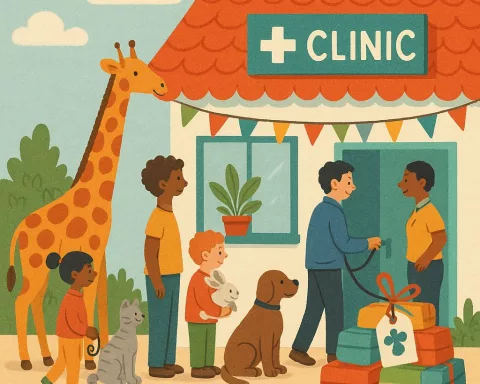
Among the most outspoken critics stood Dr. Shaheda Omar, director of the Teddy Bear Clinic, an organization dedicated to supporting abused children. With over three decades of frontline experience, Dr. Omar spoke out passionately against the NPA’s decision. In a widely circulated interview with eNCA, she expressed deep disbelief: “We are shocked. This can’t be happening, it is not possible.” Her words, charged with the authority of lived experience, cut through the official statements, highlighting the very real trauma behind the legal jargon.
Dr. Omar’s insights offered a crucial perspective often missing from public debate. She explained that children rarely recount traumatic events in tidy, coherent stories. Trauma disrupts memory, making it difficult for young survivors to articulate their experiences consistently. According to her, shifting or incomplete narratives should not be mistaken for dishonesty. “No child simply invents being a victim of such a terrible act,” she emphasized. Her views align with psychological research showing that children process and disclose trauma in complex ways, sometimes only revealing the full story months or even years after the incident.
The Limitations of Evidence and Legal Traditions
The Cwecwe case also exposed a troubling reliance on physical evidence in South Africa’s legal approach to sexual violence. Police Minister Senzo Mchunu explained that authorities found no witnesses and that a medical examination failed to uncover foreign DNA. For many officials, this seemed to close the matter. However, professionals specializing in child abuse investigations, including Dr. Omar, pointed out that in 80 to 90 percent of such cases, medical exams do not produce conclusive physical findings. The absence of forensic evidence does not mean abuse did not occur, nor does it clear the accused.
This pattern is well documented internationally. Since the 1990s, forensic experts have found that most cases of child sexual abuse leave few or no physical traces. Forensic nurse Patricia Speck has long noted that psychological and emotional scars are far more common than physical wounds. Children’s bodies often heal quickly, erasing visible evidence even as the trauma lingers. Demanding “hard” proof from young survivors imposes an unrealistic standard, rooted in outdated beliefs about memory, trauma, and credibility.
South Africa’s legal system, shaped by the rationalist legacy of the Enlightenment and a faith in empirical evidence, often struggles to adapt to the realities of abuse. Laws and court procedures frequently privilege what can be seen and measured, sidelining the lived experiences of survivors. Activists argue that this insistence on forensic certainty perpetuates injustice by setting unattainable requirements for those seeking help.
Institutional Reform: Progress and Persistent Barriers
South Africa has worked hard to address gender-based violence, especially since the end of apartheid. The establishment of specialized sexual offences courts and the adoption of victim-centered procedures in the early 2000s represented major steps forward. These reforms aimed to dismantle the old, adversarial systems that often silenced survivors and discouraged them from coming forward.
Nevertheless, as the Cwecwe case shows, profound barriers remain. Social workers and legal advocates share stories of children forced to relive their trauma in hostile courtrooms designed for adults. The lack of specialized training for police, prosecutors, and judges leaves survivors vulnerable to skepticism and dismissal. When cases collapse because of missing “hard” evidence, it reinforces a culture of silence and disbelief.
This dilemma is not unique to South Africa. Across the globe, from the United States to India, advocates have pushed for trauma-informed policing and prosecution. The #MeToo movement in the UK and worldwide has challenged entrenched legal practices and called for reforms that recognize the nuances of trauma. South African organizations see their efforts as part of a broader global movement toward survivor-centered justice that values both testimony and lived experience.
Communities, Culture, and the Power of Resistance
The impact of the Cwecwe case rippled far beyond the school gates of Matatiele. Families across the nation questioned the safety of their children and demanded institutional accountability. When the justice system fails to deliver, it tears at the fabric of trust in schools, the legal system, and public institutions. In response, advocacy groups organized vigils and protests, channeling grief and anger into collective action. These gatherings, both protest and ritual, draw upon South Africa’s long tradition of resistance and public testimony, reminiscent of the anti-apartheid era and the Truth and Reconciliation Commission.
Grassroots organizations have emerged as essential players in the fight against GBV. Groups such as the Teddy Bear Clinic and Rape Crisis Cape Town provide counseling, legal support, and community education. Their mission goes beyond assisting individual survivors – they also challenge societal myths and encourage honest conversations about prevention. These organizations believe that every disclosure, no matter how faltering, deserves respect and serious attention.
Artists and writers have also contributed to the ongoing dialogue around trauma and testimony. The work of Tracey Emin, with its raw portrayal of memory’s fragmentation, and Sindiwe Magona’s novels, which unveil the silences around sexual violence, remind society that healing often proceeds in fits and starts. Cultural expressions like these help communities process grief and understand the non-linear paths of recovery.
Toward Justice That Listens and Learns
Experts and advocates agree that true progress demands more than changes in law. They call for increased investment in forensic training, comprehensive trauma care, and community-based policing. Multidisciplinary teams – blending medical, psychological, and legal expertise – offer a promising model for investigating and prosecuting GBV cases. Public education campaigns must also challenge persistent stereotypes and misinformation about sexual violence, fostering a society that listens to and believes survivors.
The tragedy of the Cwecwe case starkly reveals the chasm between legal process and real justice, between the official search for evidence and the human struggle for healing. Changing this reality will require both sustained institutional reform and a cultural shift in how the nation views survivors and their stories. From classrooms to courtrooms, from clinics to living rooms, every layer of society has a role to play – ensuring that the voices of survivors are not only heard but taken seriously.
As South Africa continues to grapple with these painful issues, the memory of Cwecwe’s ordeal serves as both a warning and a call to action. If the country is to honor its commitments to justice and equality, it must build systems that understand the complexities of trauma, support every survivor, and ultimately, close the gap between the law and the lived reality of those it is meant to protect.
FAQ: Understanding the Cwecwe Case and Gender-Based Violence in South Africa
What is the significance of the Cwecwe case in South Africa’s fight against gender-based violence?
The Cwecwe case highlights the ongoing challenges South Africa faces in protecting children from gender-based violence (GBV). It exposes how the justice system often demands physical evidence that is rarely available in abuse cases, especially when trauma affects survivors’ ability to clearly recount their experiences. The case has sparked national outrage and calls for systemic change, including better training for officials, trauma-informed approaches, and a justice system that listens and supports survivors rather than dismissing them.
Why did the National Prosecuting Authority (NPA) decide not to proceed with the Cwecwe case?
The NPA cited “insufficient evidence” to pursue the case, noting the absence of physical evidence such as foreign DNA and witnesses. However, experts and advocates argue that this reliance on forensic proof is problematic. In 80 to 90 percent of child sexual abuse cases, medical examinations do not produce conclusive evidence because physical signs often heal quickly or never appear. The decision reflects deeper systemic issues where legal standards do not adequately account for the complexities of trauma and survivor testimony.
How does trauma affect the ability of child survivors to testify in abuse cases?
Trauma can severely disrupt memory and communication, making it difficult for child survivors to tell coherent, consistent stories. Children often disclose abuse in non-linear ways, sometimes only revealing the full extent months or years later. Experts like Dr. Shaheda Omar emphasize that inconsistent or shifting narratives should not be seen as dishonesty but rather as a natural response to trauma. Recognizing this is crucial for ensuring survivors are believed and supported throughout the legal process.
What reforms has South Africa made to address sexual offences, and why do barriers remain?
Since the early 2000s, South Africa has established specialized sexual offences courts and victim-centered procedures to improve how GBV cases are handled. These reforms aim to reduce the retraumatization of survivors and encourage reporting. Despite progress, barriers remain due to limited training for police, prosecutors, and judges, ongoing reliance on physical evidence, and courtroom environments that can be hostile or intimidating for children. These issues contribute to cases collapsing and survivors feeling silenced.
How have communities and organizations responded to the Cwecwe case and GBV more broadly?
The case galvanized nationwide grief, anger, and activism. Communities demanded accountability and questioned the safety of children in schools and public institutions. Advocacy groups like the Teddy Bear Clinic and Rape Crisis Cape Town have played vital roles by providing counseling, legal support, and education. They also challenge societal myths about sexual violence and work to foster open, respectful conversations. Cultural figures and artists contribute by exploring trauma and healing through their creative work, helping society process these difficult issues.
What steps are recommended to create a justice system that better supports survivors of gender-based violence?
Experts advocate for a multifaceted approach including:
– Enhanced forensic and trauma-informed training for police and legal professionals
– Investment in multidisciplinary teams combining medical, psychological, and legal expertise
– Community-based policing approaches sensitive to survivor needs
– Public education campaigns to dismantle stereotypes and misconceptions about sexual violence
– Creating safe, supportive environments for survivors to share their stories without fear of disbelief or dismissal
These measures aim to bridge the gap between legal procedures and the lived realities of survivors, fostering a system that listens, understands trauma, and delivers meaningful justice.