Along Cape Town’s Atlantic coast, people and wildlife live side by side with kindness and care. Surfers and locals watch African penguins from a distance, help clean the beaches, and support groups working to protect endangered animals. One magical morning, a curious penguin even hopped onto surfers’ boards, showing a gentle bond between humans and nature. This special connection reminds everyone that protecting Cape Town’s wild coast is a shared job, filled with wonder and hope for the future.
How do humans and wildlife coexist along Cape Town’s Atlantic coast?
Humans and wildlife in Cape Town’s Atlantic coast coexist through mutual respect and stewardship. Surfers and locals keep a respectful distance from animals like African penguins, participate in beach cleanups, and support conservation groups like SANCCOB and BirdLife South Africa to protect endangered species and preserve natural habitats.
The Surf’s Living Edge
Cape Town’s Atlantic shoreline stretches out beneath a veil of mist, drawing a restless line between city streets and the raw energy of the ocean. Along this expanse, sandy beaches punctuate the boundary between urban bustle and the unpredictable pulse of nature. Here, the rhythm of the city merges seamlessly with the wild elements, creating an ever-shifting zone where both people and wildlife find a sense of belonging.
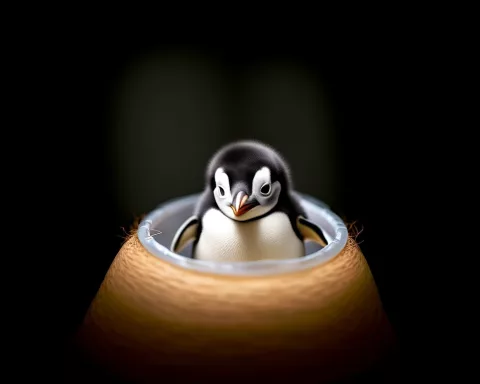
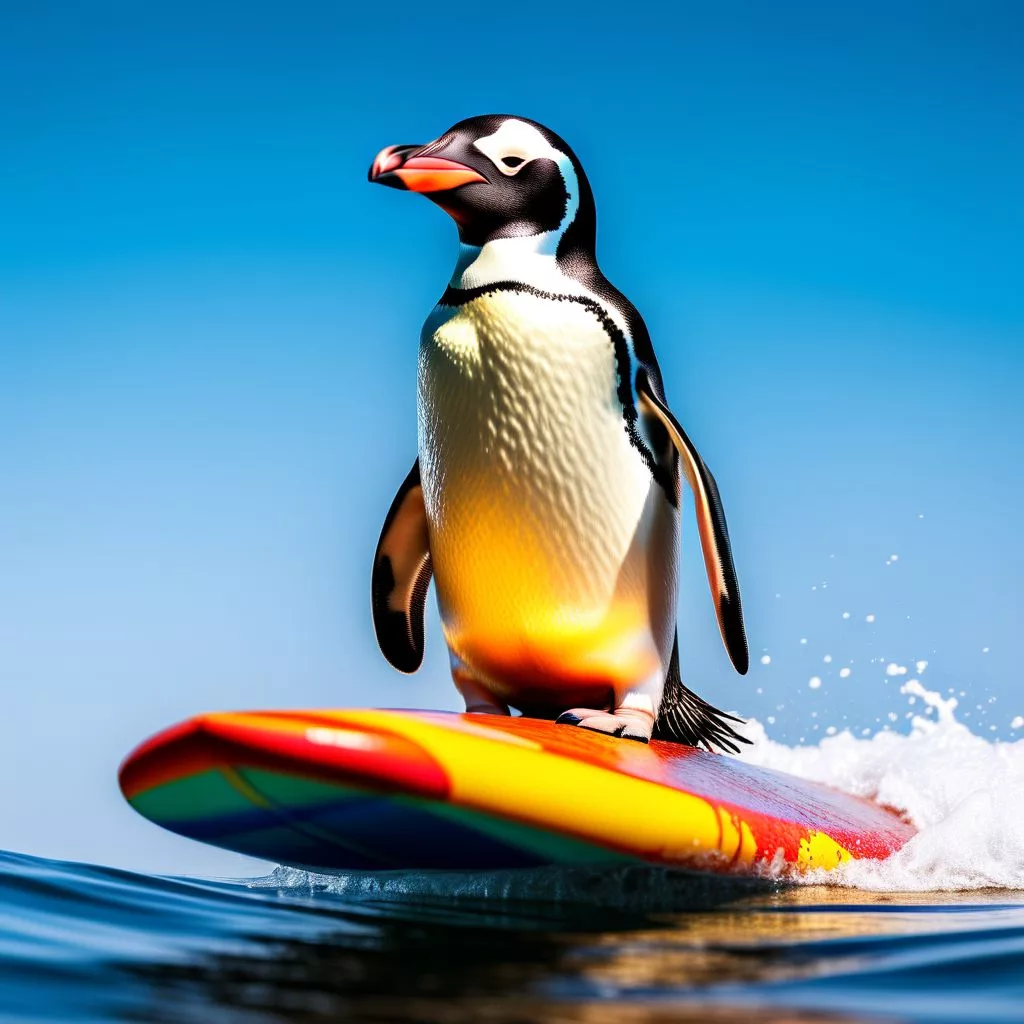
As dawn breaks, Noordhoek Beach comes alive with its familiar cast of characters. Table Mountain looms in silent authority, while surfers gather to prepare their boards, and seabirds wheel overhead in the fresh air. On a recent morning, this routine scene became the stage for something magical – a young African penguin emerged from the surf, gliding into the assembly of surfers with an air of curiosity and confidence. With boldness rarely seen, the penguin approached the group, hopped onto a camera housing, and then tested its balance atop their surfboards – transforming a typical session into a moment of wonder.
Alan van Gysen, renowned in South Africa’s surfing circles as AVG, captured this rare encounter through his practiced lens. Over twenty-five years, van Gysen has chronicled both the beauty and danger of the ocean, yet he confessed that this meeting of penguin and surfer ranks among the most unforgettable wildlife experiences of his career. For him, the scene was more than a spectacle; it was a gentle nudge to remember that Cape Town’s natural heritage is both delicate and fiercely resilient.
Mutual Curiosity and Respect
Footage from that morning, now widely shared online, reveals a gentle, wordless connection. Perched on the camera, the penguin surveys its human companions, then slides and waddles across the boards as if auditioning for an aquatic dance troupe. There’s no sign of alarm or haste – just a quiet investigation and a willingness to share the space.
The surfers, well aware of their place as guests in this aquatic realm, kept a respectful distance. They let the penguin dictate the pace and direction of the encounter – an unspoken rule that has evolved naturally among Cape Town’s ocean-goers. Van Gysen lauded this approach, highlighting it as a model for how humans should interact with wildlife: by stepping back, observing, and allowing animals to lead the engagement.
This kind of respectful coexistence is more than just a feel-good story; it’s a reflection of Cape Town’s unique relationship with its ecology. Along the Cape Peninsula, humans and wildlife interact constantly – penguins nest beside walking paths, baboons navigate urban fringes, and dolphins and whales can be spotted from the city’s beaches. This close proximity brings with it both the privilege of connection and the challenge of stewardship.
Cape Town’s Wildlife: Treasures and Trials
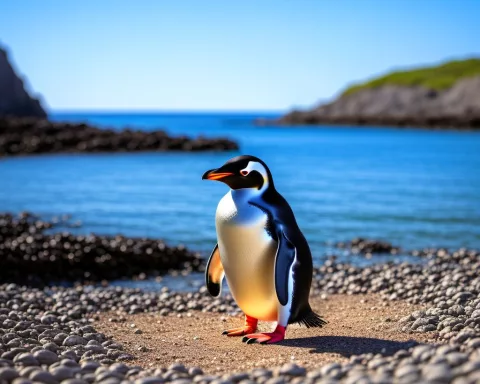
The African penguin, or Spheniscus demersus – nicknamed the jackass penguin for its distinctive braying – serves as both icon and warning. Not so long ago, vast colonies lined the southern African coast from Namibia to Port Elizabeth, their black-and-white forms a familiar sight against the waves. Today, overfishing, habitat loss, and pollution have reduced their numbers drastically, and the species is officially endangered. Intimate encounters, like the one at Noordhoek, arise from this closeness, but so do risks – penguins face threats from oil spills, entanglement in fishing gear, and disturbances caused by humans.
Despite these challenges, an active community works to defend and preserve these remarkable birds. Surfers, who spend countless dawns and evenings immersed in the ocean’s embrace, have become unlikely guardians of the marine environment. Their involvement ranges from organizing beach cleanups to reporting stranded or injured wildlife, and their growing sense of responsibility mirrors a broader shift in public consciousness.
Organizations such as SANCCOB (the Southern African Foundation for the Conservation of Coastal Birds) stand at the forefront of these efforts. In their rehabilitation centers, staff and volunteers care for penguins affected by oil, injury, or starvation. Each bird that returns to the waves represents not just a single life saved, but also a stand against the wider forces threatening the species. BirdLife South Africa plays a complementary role, conducting population surveys, advocating for marine protected areas, and educating the public about the connections between land, sea, and city. Both organizations invite participation – whether through volunteering, donations, or simply increasing awareness – and remind Cape Town’s residents and visitors that conservation begins with personal action.
Stories, Stewardship, and the Call to Action
The Noordhoek beach encounter resonates in the wider context of Cape Town’s long tradition of human-wildlife stories. Locals recall seals basking on dock steps, dolphins weaving through the surf, and even the occasional shark gliding beneath the surface as surfers paddle above. These tales, passed along as both caution and celebration, reinforce a sense of humility and wonder in the face of the ocean’s mysteries.
Art and literature have long drawn inspiration from these liminal spaces. The Impressionists sought to capture fleeting meetings between people and their environments, while South African writers like Olive Schreiner and Zakes Mda have used the coastline as a canvas for exploring identity, belonging, and endurance. The Noordhoek penguin, now a social media sensation, fits into this lineage – its brief, playful visit recasts a routine surf session as something profound and memorable.
Yet the power of such moments lies not just in spectacle, but in their potential to inspire. As images and stories of the encounter circulate, they prompt more than admiration – they call for vigilance, respect, and continued commitment to conservation. The practical steps are simple but impactful: keep a respectful distance from wildlife, avoid feeding or touching animals, participate in local cleanups, and support organizations like SANCCOB and BirdLife South Africa.
Embracing a Shared Future
Ultimately, encounters like the one on Noordhoek Beach remind us that Cape Town’s identity flows from its relationship with the sea. The city’s fate intertwines with that of its wild inhabitants – from the smallest shorebird to the boldest penguin. Moments of connection, like a penguin hopping onto a surfboard, serve as touchstones for a community in constant dialogue with its environment.
As the tide rolls in and out, it carries with it both opportunity and responsibility. Each wave that breaks along Cape Town’s Atlantic edge invites reflection on how we shape, and are shaped by, the wild places we inhabit. By fostering a spirit of coexistence – through stewardship, respect, and everyday action – we help ensure that future generations will inherit not only the city’s stunning vistas, but the vibrant life that animates every corner of its shores.
FAQ: Where City Meets Wild – Cape Town’s Atlantic Coast and Beach Life
1. How do humans and wildlife coexist along Cape Town’s Atlantic coast?
Humans and wildlife coexist through mutual respect and stewardship. Surfers and locals maintain a respectful distance from animals such as African penguins, participate actively in beach cleanups, and support conservation organizations like SANCCOB and BirdLife South Africa. This cooperation helps protect endangered species and preserves natural habitats, fostering a balanced relationship between city life and nature.
2. What makes the encounter between surfers and African penguins along Cape Town’s coast so special?
Encounters like the one at Noordhoek Beach – where a curious African penguin hopped onto surfers’ boards – highlight a gentle bond between humans and wildlife. These moments show mutual curiosity and respect, with surfers allowing the penguin to lead interactions without disturbance. Such experiences remind communities of the delicate yet resilient natural heritage of Cape Town’s coast and inspire ongoing conservation efforts.
3. Why are African penguins considered both iconic and endangered in Cape Town?
African penguins, also known as jackass penguins for their distinctive braying calls, were once abundant along the southern African coast. Today, their numbers have drastically declined due to threats like overfishing, habitat loss, pollution, oil spills, and entanglement in fishing gear. Their endangered status makes them symbols of both Cape Town’s rich wildlife and the urgent need for conservation to ensure their survival.
4. What role do local surfers play in protecting Cape Town’s marine wildlife?
Surfers are key guardians of the marine environment along Cape Town’s coast. Spending extensive time in the water, they often notice injured or stranded animals and organize beach cleanups to reduce pollution. Through collaboration with conservation organizations, surfers help raise awareness and contribute to protecting endangered species like African penguins, embodying a community-driven approach to stewardship.
5. Which organizations are actively involved in wildlife conservation along Cape Town’s coast?
Two prominent organizations are SANCCOB (Southern African Foundation for the Conservation of Coastal Birds) and BirdLife South Africa. SANCCOB specializes in rescuing, rehabilitating, and releasing seabirds affected by oil spills, injury, or starvation. BirdLife South Africa focuses on population surveys, advocacy for marine protected areas, and public education. Both invite community participation through volunteering, donations, and awareness campaigns.
6. How can visitors and locals contribute to the conservation of Cape Town’s Atlantic coast?
Everyone can help by respecting wildlife – keeping a safe distance, avoiding feeding or touching animals, and minimizing disturbances. Participating in beach cleanups, supporting conservation groups, and spreading awareness about the region’s ecological challenges are impactful actions. These everyday steps foster coexistence and help preserve the vibrant life that makes Cape Town’s coastline unique for future generations.
For more information or to get involved, visit the websites of SANCCOB and BirdLife South Africa or join local community initiatives focused on coastal conservation.