African cities like Cape Town, Lagos, Cairo, and Marrakech are changing the world’s nightlife scene in exciting ways. They mix old traditions with fresh, modern vibes, offering everything from rooftop bars to lively street parties. These cities are safe, affordable, and full of energy, drawing people who want fun, music, and connection after dark. At night, Africa’s pulse beats strong, inviting everyone to dance, share stories, and celebrate life together.
What African cities are redefining global nightlife culture?
Cape Town, Lagos, Cairo, and Marrakech are leading Africa’s nightlife renaissance by blending tradition with innovation. These cities offer diverse, affordable, and safe after-dark experiences—from rooftop bars and jazz festivals to vibrant street parties—making them top global destinations for nightlife and cultural expression.
The Global Spotlight Shifts: Africa’s Nightlife Comes Alive
Nightlife around the world has transformed far beyond the traditional confines of dimly lit clubs and routine discos. Today, after-dark culture pulses with innovation, shaped by changing cities, evolving generations, and the creative spirit of their people. As we look toward 2025, urban dwellers everywhere crave spaces for genuine connection, self-expression, and shared freedom. Nowhere is this transformation more evident than on the African continent, where four vibrant cities—Cape Town, Lagos, Cairo, and Marrakech—have captured the world’s attention and earned their place among illustrious nightlife destinations.
According to the latest global survey conducted by Time Out, these African capitals have risen to stand alongside legendary party cities across Europe, Asia, and the Americas. Thousands of nightlife enthusiasts and experts contributed their insights, revealing a dramatic shift in where and how people choose to celebrate after sunset. This recognition is more than a passing trend; it signals a fundamental reimagining of what nightlife can mean when communities embrace both their roots and the pulse of the present.
What makes this African nightlife renaissance remarkable is its diversity. Each city tells a different story, blending local flavor with international appeal. Instead of copying what’s happening elsewhere, these cities chart their own course, offering experiences that range from rooftop sophistication to underground energy. The rise of these metropolises marks a new era, where the African night invites the world to witness its creativity, inclusivity, and unyielding spirit.
Cape Town: Where Grit and Glamour Collide
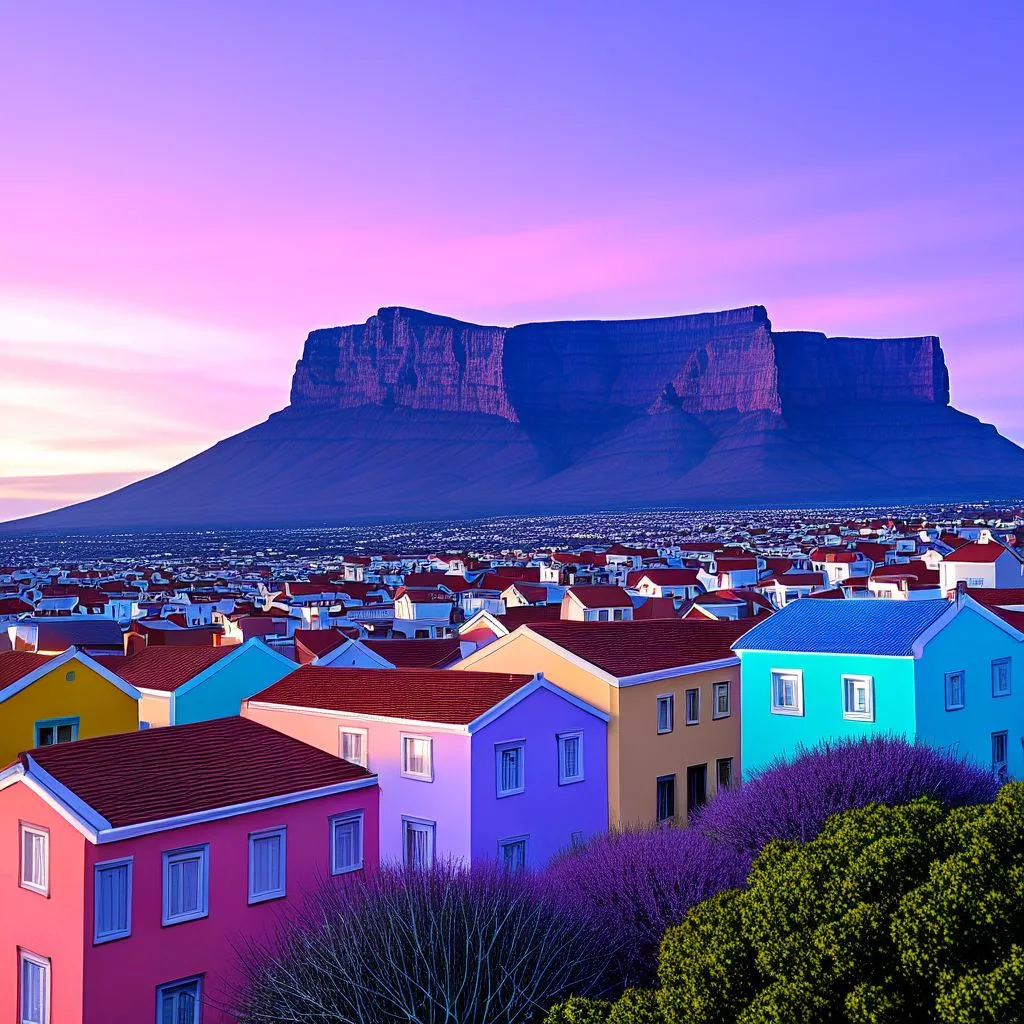
Cape Town stands at the intersection of ancient heritage and modern allure, creating a nightlife scene that is as complex as it is captivating. This South African city, perched between mountains and sea, has always served as a meeting point for diverse cultures. Its nightlife mirrors this dynamic, blending urban sophistication with raw authenticity. Local music giants like Tyla and Black Coffee exemplify Cape Town’s knack for blending traditional sounds with global rhythms, propelling the city’s music onto the world stage and infusing its nightscape with a sense of innovation.
Wander through Cape Town after dark and you’ll encounter a wealth of options. Chic rooftop lounges like Athletic Club & Social offer sweeping views and refined drinks, while deep in industrial districts, warehouse parties pulse with an unfiltered, underground energy. The city also guards its jazz heritage fiercely; legendary jazz bars keep the tradition alive, serving as gathering places for both seasoned musicians and newcomers. The celebrated Cape Town International Jazz Festival not only draws global acts but also provides a launching pad for young talent, ensuring that jazz remains woven into the city’s cultural fabric.
Affordability plays a key role in Cape Town’s appeal. Nearly eight in ten locals rate their nightlife as outstanding, citing reasonable prices and welcoming atmospheres. This accessibility opens the doors to a mix of students, creatives, and global visitors. Hybrid venues like Time Out Market Cape Town and The House of Machines challenge conventional boundaries, merging art, cuisine, and music in innovative ways. Each night is unique, each venue a canvas where the city’s creative energy finds fresh expression. In Cape Town, the streets themselves become storytellers, ensuring that every evening promises a new discovery.
Lagos: A City That Never Rests
Lagos vibrates with an energy that is impossible to ignore. As Africa’s most populous city, it has long served as a crucible of new ideas, with its nights reflecting the relentless creativity of its residents. Lagosian nightlife has evolved rapidly, shifting from exclusive VIP rooms to open dance floors where everyone is welcome. Events like SweatItOutLagos and Our Group Therapy have set new standards for inclusivity, transforming the city’s nights into communal celebrations that break down barriers.
The global rise of Afrobeats has thrust Lagos into the international spotlight, but its nightlife offers much more than chart-topping hits. In secret venues and back-alley clubs, cutting-edge electronic music finds a home, while large outdoor spaces resound with the legacy of Fela Kuti and his musical heirs. The city moves with a restless beat, and people from all walks of life are swept along in its current. With nearly eighty percent of surveyed locals praising the scene, Lagos stands out for its welcoming atmosphere and striking diversity.
Part of what makes Lagos so magnetic lies in its unpredictability. Evenings can begin with the flavors of street food and the rhythms of highlife music in Victoria Island, then lead to spontaneous dance parties beneath the stars in Lekki. The line between performer and participant fades, recalling the inclusive spirit of early hip-hop and underground rave cultures. Each night in Lagos writes its own story—one of unity, expression, and relentless movement.
Cairo: A Blend of Ancient Ritual and Modern Ease
Cairo’s nighttime scene is a testament to its deep history, yet it remains refreshingly modern and accessible. For thousands of years, Egyptians have gathered by the Nile to share stories, music, and food. That tradition continues today, with the city’s shisha lounges and coffeehouses forming the backbone of its after-dark culture. In recent years, expat neighborhoods have added a cosmopolitan twist, offering stylish cocktail bars and creative drink menus that cater to both locals and adventurous travelers.
What sets Cairo apart is its focus on connection. The city’s venues invite patrons to linger, debate, and share ideas long into the night. This emphasis on conversation over spectacle recalls the intellectual salons of Paris or the lively coffeehouses of Berlin. Cairo’s affordability ensures that everyone—students, artists, and tourists—can participate. Over seventy percent of residents describe the nightlife as budget-friendly, supporting a thriving and inclusive social scene.
Music in Cairo bridges time and style. One can catch traditional oud performances in the same district as indie rock shows or Sufi trance nights. On any given evening, the city’s streets ring with both the poetry of ancient storytellers and the rebellious sounds of modern bands. This seamless blend of old and new makes Cairo’s nights both familiar and surprising, offering something for every taste and background.
Marrakech: Opulent Nights Rooted in Safety and Tradition
Marrakech, with its legendary medina and rose-tinted architecture, transforms dramatically after sunset. Rooftop bars like El Fenn serve up expertly crafted cocktails against a cityscape lit by twinkling minarets, while the air itself carries fragrant hints of orange blossom and spice. Visitors and locals alike rave about spots such as Kabana, which pairs panoramic views with a laid-back elegance. Hidden gems like Baromètre and The Mix provide intimate settings for live performances, particularly of Gnawa music—a hypnotic, centuries-old tradition that draws guests into its mystical rhythms.
Marrakech’s after-dark scene feels both luxurious and democratic. While the city offers plenty of upscale options, its reputation for affordability remains strong, with seventy-two percent of survey respondents rating it highly. Safety also stands out, making Marrakech a favored spot for those who want to explore the night without worry. The city’s blend of traditional and modern entertainment keeps the experience fresh, whether you’re watching a hakawati storyteller weave ancient tales, or enjoying a fusion of poetry, music, and design at a contemporary venue.
Tourism continues to energize Marrakech, inspiring new clubs, bars, and creative spaces. Yet the city resists the bland uniformity often seen in tourist-focused areas. Instead, Marrakech celebrates local culture, drawing on its rich history to create authentic and memorable nights. Whether you’re sampling spiced drinks at a rooftop bar or swaying to Gnawa beats in a candlelit courtyard, you’ll find that the city’s nightlife offers both comfort and adventure.
The New Vanguard: Africa Leading the Nightlife Revolution
The emergence of Cape Town, Lagos, Cairo, and Marrakech as global nightlife hotspots speaks to something deeper than trend alone. These cities have mastered the art of blending tradition with innovation, exclusivity with openness, and style with genuine substance. In each, visitors encounter more than just parties—they discover vibrant cultural experiences that reflect the diversity and dynamism of the continent itself.
Rather than simply adopting global trends, these African cities set their own pace. Creative entrepreneurs, DJs, and artists shape spaces where heritage meets progressive thinking, drawing inspiration from movements as varied as the Bauhaus and the Harlem Renaissance. Here, nightlife is not just entertainment, but a form of cultural expression—a tapestry woven from history, collaboration, and the joy of shared experience.
As the world’s nightlife continues to evolve, Africa’s leading cities stand at the cutting edge, inviting the curious and the adventurous to join them. Their nights offer not only excitement and diversity, but also safety, affordability, and a sense of belonging. The future of global nightlife now carries an undeniably African beat—one that welcomes everyone to the dance floor.
FAQ: African Cities Redefining Global Nightlife Culture
1. Which African cities are currently leading the global nightlife renaissance?
Cape Town, Lagos, Cairo, and Marrakech are the standout African cities redefining nightlife on the global stage. Each city offers a unique blend of traditional culture and modern innovation, featuring experiences ranging from rooftop bars and jazz festivals to vibrant street parties. They have become recognized as safe, affordable, and energetic nightlife destinations attracting locals and international visitors alike.
2. What makes the nightlife in these African cities unique compared to other global party destinations?
Unlike many cities that replicate popular global nightlife trends, these African cities craft their own distinct vibe by blending their rich cultural heritage with contemporary influences. Their scenes are marked by inclusivity, diversity, and creativity—whether it’s Lagos’s communal dance floors, Cairo’s intellectual coffeehouses, Cape Town’s jazz heritage, or Marrakech’s blend of luxury and tradition. This fusion creates nightlife experiences that are authentic, dynamic, and culturally expressive.
3. How safe and affordable are nightlife experiences in Cape Town, Lagos, Cairo, and Marrakech?
Safety and affordability are key factors in the appeal of these cities. For example, nearly 80% of local residents in Cape Town and Lagos praise their nightlife for its welcoming atmosphere and reasonable prices. Marrakech scores highly on safety, making it attractive for tourists seeking secure after-dark entertainment. Cairo also emphasizes budget-friendly venues that encourage broad participation, from students to artists and visitors.
4. What types of nightlife activities can visitors expect in these cities?
Visitors can enjoy a wide array of activities:
– Cape Town: Rooftop lounges, industrial warehouse parties, and the internationally renowned Cape Town International Jazz Festival.
– Lagos: Energetic street parties, open dance floors, Afrobeats concerts, and electronic music in underground venues.
– Cairo: Traditional shisha lounges, coffeehouses, indie rock shows, Sufi trance nights, and oud performances.
– Marrakech: Rooftop bars with panoramic views, live Gnawa music, candlelit courtyards, and storytelling sessions.
5. How has African nightlife influenced global music and cultural trends?
African nightlife cities, especially Lagos and Cape Town, have greatly contributed to the global rise of music genres like Afrobeats and house music. Artists such as Black Coffee from Cape Town have propelled African sounds onto the world stage. These cities serve as cultural hubs where heritage and innovation meet, influencing international music, fashion, and nightlife trends by presenting fresh, authentic African perspectives.
6. What future trends can we expect from Africa’s nightlife scene?
Africa’s nightlife is expected to continue evolving as a vibrant cultural expression that champions inclusivity, creativity, and connection. Cities like Cape Town, Lagos, Cairo, and Marrakech will likely introduce more hybrid venues combining art, cuisine, and music. They will also keep innovating safety measures and affordability to maintain their welcoming atmospheres. Overall, Africa will play a leading role in shaping the future global nightlife landscape with its unique blend of tradition and modernity.