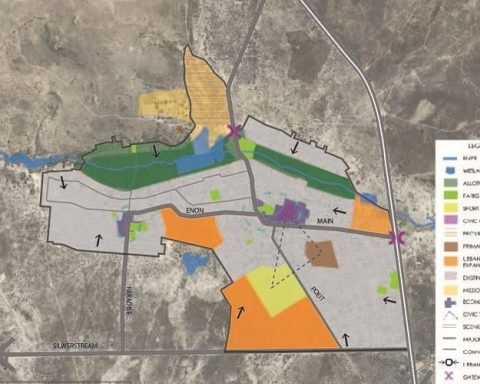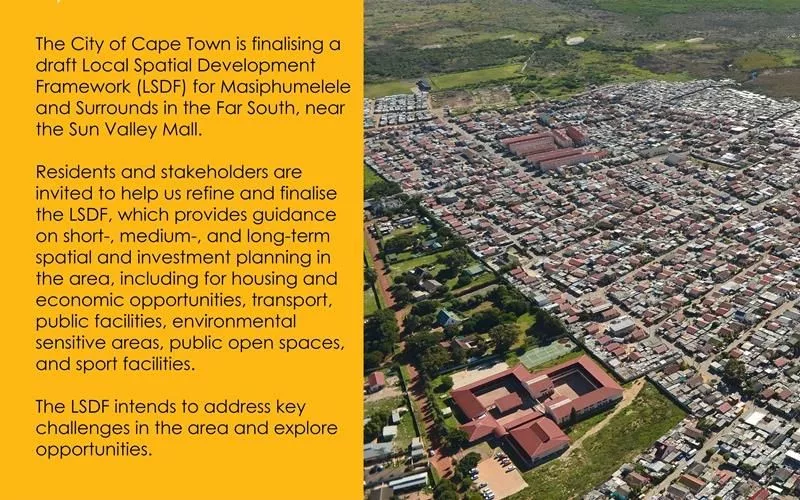
The Masiphumelele Local Spatial Development Framework (LSDF) is a plan to help this growing community become safer, greener, and better connected. It aims to improve homes, protect wetlands, and build roads and services that make life easier for the 38,000 residents. By listening to the people who live there, the city hopes to create spaces where families can live, work, and play while respecting nature and history. This plan is a hopeful step toward turning challenges into opportunities for everyone in Masiphumelele.
What is the Masiphumelele Local Spatial Development Framework (LSDF)?
The Masiphumelele LSDF is a strategic plan guiding sustainable growth by balancing housing needs, environmental protection, and infrastructure improvement. It aims to formalize settlements, protect wetlands, enhance transport, and foster community inclusion to create safer, connected, and thriving urban spaces.
A Community Born From Transformation
Nestled beneath the rugged slopes of the Silvermine mountains and bordering the resilient Cape wetlands, Masiphumelele stands as a microcosm of South Africa’s ongoing urban evolution. When this neighborhood first took root in 1992, it sheltered just 500 families seeking a place to build new lives after the end of apartheid. In the years since, Masiphumelele has undergone a remarkable transformation, growing into a dynamic settlement now home to more than 38,000 people.
From early mornings when residents gather water at communal taps to afternoons alive with the sounds of children and street traders, life in Masiphumelele pulses with both adversity and hope. The landscape tells a story of persistence – rows of informal shacks alongside small brick homes, dusty pathways winding through the settlement, and the ever-present backdrop of natural beauty. This juxtaposition of challenge and promise has shaped the daily experience of a population determined to make the most of limited resources.
Yet the very features that make Masiphumelele unique – its location, its density, and its spirit – also highlight its urgent needs. Overcrowding, inadequate services, and environmental constraints have created complex dynamics that demand thoughtful solutions. Against this backdrop, the City of Cape Town’s introduction of a draft Local Spatial Development Framework (LSDF) signals a renewed effort to guide the neighborhood’s future while honoring its past.
Navigating Land, Nature, and the Pressure of Growth
Masiphumelele’s geography defines its possibilities and its limitations. The settlement hugs a wetland area that provides ecological value and scenic respite, but also restricts available land for development. Most homes – over 90% – are informal, constructed from corrugated metal and wood, often situated dangerously close to flood-prone zones. During heavy rains, the wetlands reclaim their space, and many residents find themselves coping with waterlogged floors and the constant threat of displacement.
Despite these hardships, ingenuity flourishes. Makeshift markets and small businesses anchor main roads, where traders sell everything from fresh produce to cellphone repairs. The informal economy thrives out of necessity, yet infrastructure struggles to keep up. The demand for formal housing outpaces supply, with estimates putting the shortfall at more than 10,000 units. Each year, as new families arrive seeking opportunity, the competition for safe shelter and basic amenities intensifies.
In this context, the LSDF aims to balance nature conservation and urban expansion. The framework proposes protecting the sensitive wetland habitats while identifying land suitable for new housing. It recognizes the urgent need to move families away from high-risk flood zones and to formalize existing informal settlements, making them safer and better connected to essential services.
Redressing History through Integration and Inclusion
Masiphumelele’s challenges do not exist in a vacuum; they are the product of decades of exclusionary city planning. Under apartheid, policies deliberately isolated black communities, pushing them to the city’s edges and cutting them off from economic opportunity. The result is a patchwork of neighborhoods still divided by access, infrastructure, and history.
The LSDF confronts this legacy by proposing connections – literal and symbolic. Planners envision extending Houmoed Avenue and upgrading Kommetjie Road to ease congestion and open new pathways to surrounding suburbs. These projects do more than alleviate traffic; they promise to stitch Masiphumelele into the city’s fabric, enabling residents to reach jobs, schools, and markets with greater ease. The creation of cycle lanes and improved public transit options seeks to address the heavy burden residents currently shoulder, with some households spending up to a third of their income just on commuting.
But roads and bridges alone cannot heal wounds. The process of crafting the LSDF has placed a premium on public engagement. The City of Cape Town organized information sessions and public comment periods, inviting residents to examine maps, debate land use, and suggest priorities. These gatherings, sometimes lively and contentious, have brought together elders recalling the community’s founding days, youth advocating for recreation spaces, and entrepreneurs pushing for better business support. Through this participatory planning, the LSDF becomes not just a technical document, but a living expression of collective aspirations.
Envisioning Spaces to Live, Work, and Grow
At the heart of the LSDF lies the drive to create spaces that nurture both body and spirit. The shortage of decent, affordable housing dominates daily life, forcing many families into crowded, hazardous dwellings. The framework outlines strategies to formalize existing neighborhoods, relocate those at greatest risk, and identify land for new development. These actions aim to provide not just shelter, but security – a foundation upon which families can build stable lives.
Yet shelter is only one piece of the puzzle. The framework recognizes that healthy communities need places to gather and play. In today’s Masiphumelele, public parks, sports fields, and safe play areas are in short supply. The LSDF proposes new green spaces and recreational facilities, envisioning a future in which children have room to run, community events can flourish, and neighbors can connect beyond the struggle for survival.
Economic vitality, too, forms a pillar of the LSDF’s vision. With many residents working in nearby industrial zones like Lekker Water and Fish Eagle Park, transportation ties are crucial. Improving these links – through better roads and expanded transit – promises not only to ease daily commutes but to open up broader employment opportunities. Within Masiphumelele itself, the informal sector buzzes with activity, from spaza shops to home-based services. The LSDF seeks to support this entrepreneurial spirit by providing designated trading zones, simplifying business permits, and offering pathways to skills development and financial support.
Embracing Nature as a Partner in Development
While growth is a pressing need, the environment in and around Masiphumelele demands careful stewardship. The wetlands, teeming with unique plant and bird species, form a vital ecological buffer and a source of pride for environmental advocates. Encroachment and pollution have put this ecosystem at risk, highlighting the tension between immediate housing needs and long-term sustainability.
Rather than seeing nature as an adversary, the LSDF treats it as an ally. Plans include rehabilitating degraded areas, restoring indigenous vegetation, and developing educational facilities to raise awareness about the value of the wetlands. Boardwalks and community gardens are among the proposals designed to foster interaction with the environment, turning natural assets into sources of education, recreation, and even economic opportunity.
These initiatives build on a rich tradition of South African landscape appreciation – one where artists and activists alike have championed the integration of natural beauty within urban living. In Masiphumelele, such efforts aim to ensure that development does not come at the expense of heritage, but rather enhances it for future generations.
Facing Obstacles and Opening New Paths
The ambitions of the LSDF face real-world constraints – financial, political, and logistical. The City of Cape Town controls only a fraction of the land in Masiphumelele; much is already allocated to educational institutions or designated as green space. Achieving consensus among diverse stakeholders – homeowners, informal residents, conservationists, and city officials – poses ongoing challenges. Every proposed change must weigh immediate needs against longer-term goals, all within the context of limited resources.
Persistent problems – like traffic congestion, crime, and gaps in service delivery – will not vanish overnight. The LSDF does not offer quick fixes, but it does lay the groundwork for steady, inclusive progress. By broadening housing, improving transport, and recognizing the importance of informal economic activity, it sets a course for transformation rooted in the realities of daily life.
In the evolving story of Cape Town’s neighborhoods, Masiphumelele stands as both a canvas for renewal and a crucible of resilience. The unfolding process of spatial planning here is marked by ongoing dialogue, adaptation, and hope – a testament to what communities can envision and achieve together when given the chance to help shape their own destinies.
What is the Masiphumelele Local Spatial Development Framework (LSDF)?
The Masiphumelele LSDF is a strategic plan developed by the City of Cape Town to guide sustainable growth in Masiphumelele. It balances housing needs, environmental protection, and infrastructure improvements to create safer, greener, and better-connected urban spaces. The framework focuses on formalizing informal settlements, protecting sensitive wetlands, enhancing transport links, and fostering community inclusion to improve the quality of life for over 38,000 residents.
Why is the LSDF important for Masiphumelele?
Masiphumelele faces challenges including overcrowding, inadequate services, environmental risks from nearby wetlands, and a large informal housing sector. The LSDF addresses these issues by providing a coordinated approach to managing growth, relocating families from high-risk flood zones, and improving infrastructure. It aims to transform the settlement into a safer, more resilient community while preserving its unique natural and cultural heritage.
How does the LSDF involve the community in planning?
Community participation is a cornerstone of the LSDF process. The City of Cape Town has organized public information sessions, workshops, and comment periods where residents can review plans, discuss priorities, and raise concerns. This inclusive approach ensures that the framework reflects the aspirations and needs of elders, youth, entrepreneurs, and other stakeholders, turning the LSDF into a living document shaped by the people who live in Masiphumelele.
What environmental considerations does the LSDF include?
Masiphumelele is located adjacent to ecologically sensitive wetlands that provide important habitat and natural flood control. The LSDF emphasizes protecting these wetlands by preventing harmful encroachment, rehabilitating degraded areas, and promoting indigenous vegetation restoration. It also proposes educational programs, community gardens, and boardwalks to encourage residents to engage with and value their natural surroundings, integrating environmental stewardship with urban development.
How will the LSDF improve housing and infrastructure?
The LSDF outlines strategies to formalize existing informal settlements, identify land for new housing development, and relocate residents away from flood-prone areas. Infrastructure improvements include upgrading roads like Houmoed Avenue and Kommetjie Road to ease congestion, creating safe pedestrian and cycling paths, expanding public transit options, and enhancing basic services such as water, sanitation, and electricity. These initiatives aim to provide secure, affordable housing and better connectivity within Masiphumelele and to the wider city.
What economic opportunities does the LSDF aim to create?
Recognizing the vibrant informal economy in Masiphumelele, the LSDF seeks to support small businesses and entrepreneurial activities by designating formal trading zones and simplifying business permit processes. Improved transport links to nearby industrial areas like Lekker Water and Fish Eagle Park are expected to expand employment opportunities. Additionally, the framework promotes skills development and financial support programs to empower residents economically while fostering a sustainable local economy.
If you’d like, I can help you create more detailed sections or additional FAQs!