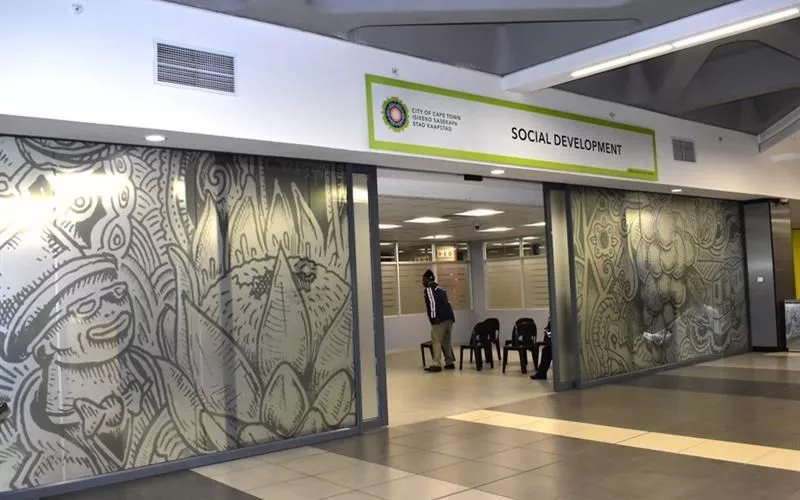
The City has created a caring and complete plan to help people who sleep on the streets. Safe Spaces offer warm shelter, food, and friendly social workers who listen and help with personal goals. Programs teach skills and offer jobs, while addiction help and family support give new chances. This is more than just shelter – it’s about restoring hope, dignity, and a fresh start for each person. The City believes everyone deserves kindness and a chance to rebuild their lives.
What is the City’s integrated approach to addressing rough sleeping?
The City’s integrated approach to rough sleeping includes Safe Spaces offering shelter, meals, and social work; employment and skills development through programs like EPWP; addiction treatment referrals; and advocacy via the Street People Programme Unit. This holistic strategy fosters dignity, stability, and pathways to independence.
Witnessing the Unseen: Understanding Rough Sleeping in the Modern City
As the first light emerges and city life begins anew, most residents rush past the quiet figures tucked away under bridges or curled up on public benches. These are the city’s rough sleepers – individuals whose struggles remain largely obscured, yet who represent the profound complexities of urban life. Their presence raises pressing questions about social responsibility and the fabric of our communities.
In response to this growing need, the City’s Community, Arts and Culture Development Department has prioritized meaningful action over the past year. Rather than taking a narrow or punitive stance, the city has crafted a nuanced, people-centered set of initiatives. This holistic strategy not only addresses the immediate hardships of rough sleeping but also seeks to recognize each individual’s inherent worth and capacity to rebuild.
The statistics reveal both the scale of the issue and the city’s commitment: between July 2024 and June 2025, outreach teams connected with rough sleepers over 36,500 times. Each encounter represents more than a data point; it is a potential turning point in someone’s life – a chance to restore hope, dignity, and opportunity where they seemed lost.
Safe Spaces: Creating Havens for Renewal
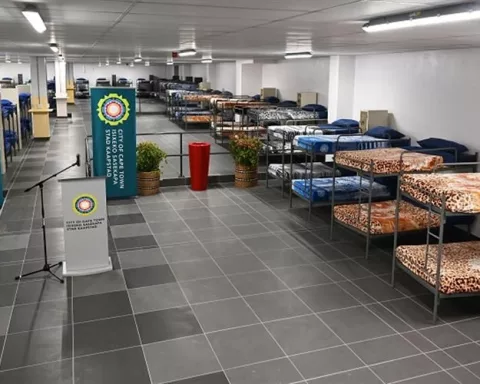
A cornerstone of the City’s approach lies in its Safe Space model, which reimagines what urban shelter can and should be. Drawing inspiration from the notion that environment shapes experience, these Safe Spaces do far more than offer a roof for the night. Residents receive clean, secure accommodations, access to ablution facilities, and two nourishing meals daily – foundational elements that support physical and emotional well-being.
Social workers play a pivotal role within these spaces, engaging directly with each participant. Rather than simply handling cases, these professionals act as allies and mentors – helping individuals map out personal development plans tailored to their goals and circumstances. This process ensures that care is not one-size-fits-all but responsive to the diverse paths that lead people to life on the streets.
Safe Spaces also provide an array of on-site resources, addressing the many factors linked to homelessness. Staff assist with obtaining identity documents, facilitate access to social grants, and initiate family reunification where possible. This recognition of the multifaceted nature of homelessness moves the city’s efforts beyond temporary solutions, instead aiming for lasting stability and personal growth.
Pathways to Independence: Employment and Development Opportunities
Economic exclusion lies at the heart of many people’s journeys into homelessness, so the city has prioritized job access and skill development as essential components of its response. The Expanded Public Works Programme (EPWP) offers a powerful example of this commitment. Over the last year, 80 rough sleepers secured EPWP placements, gaining not only employment but also a sense of purpose and connection to the wider community.
Within Safe Spaces, residents have access to a broad spectrum of development programs. In 2024–2025, 691 participants took part in these initiatives, which range from life skills workshops to vocational training. The city avoids prescriptive, top-down models in favor of participant-driven planning, believing that everyone has unique strengths and aspirations that can be harnessed for renewal.
Collaboration amplifies the reach and effectiveness of these programs. Through partnerships with shelters, specialized care centers, and community organizations, the city weaves a safety net that supports individuals at every stage of their journey – from crisis to reintegration – ensuring that no one falls through the cracks.
Tackling Addiction: A Health-Focused Approach to Recovery
For many rough sleepers, substance abuse and homelessness form an intertwined cycle that is difficult to break without targeted intervention. The city recognizes this reality, directing significant resources towards addiction treatment and recovery support. Over the past year, field officers and social workers facilitated 627 referrals for substance abuse treatment and related services.
These initiatives reflect a shift toward medical and psychological understanding, moving away from outdated models of moral judgment. The city’s approach emphasizes peer support, structured recovery programs, and ongoing follow-up, all rooted in evidence-based practices that have proven effective both locally and internationally.
Field officers serve as the essential bridge in this process, building trust through regular, compassionate engagement. Their role recalls the legacy of social pioneers who worked directly with marginalized populations – helping shift societal perceptions and lay the groundwork for sustainable change. By prioritizing relationship-building and continuity of care, these officers become catalysts for hope and transformation.
Individual Journeys: Legidas Ndaviragiye’s Story
While statistics matter, they can never fully capture the human stories behind the numbers. One such story belongs to Legidas Ndaviragiye, a 40-year-old man whose life was upended by a devastating fire. Forced onto the streets and cut off from his family in Burundi, Legidas spent years adrift and isolated. His circumstances changed in 2022, when city field officers discovered him and initiated a comprehensive plan of support.
Through consistent engagement, access to shelter, and collaboration with organizations like the Haven Night Shelter, Legidas regained stability step by step. Eventually, the city’s team helped him navigate the complex process of reconnecting with his family abroad. Legidas’s experience stands as a testament to the city’s guiding principle: to restore dignity and opportunity, one life at a time.
This commitment finds voice in leaders like Councillor Francine Higham, who champions the mission to make a tangible difference for those on the streets. The city’s work, she emphasizes, is about more than policy – it is about transforming lives and affirming the humanity of every resident.
Investing in Resilience: Funding a Comprehensive System
Sustained progress in addressing homelessness requires substantial and strategic investment. The city’s budget for 2025/2026 reflects this understanding. R9.9 million has been allocated to upgrade and expand Safe Spaces, an amount that signals the city’s intent to scale both capacity and quality. An additional R1.7 million supports street people programs, including initiatives designed to help vulnerable individuals through the harsh winter months.
The link between economic empowerment and social reintegration receives ongoing support, with R1.4 million dedicated to the EPWP: Street People Economics Project. These investments mirror historic government efforts, such as the American New Deal, which combined infrastructure improvements with direct support to those in need. By learning from the past and adapting to the present, the city seeks to build resilience for the future.
Advocacy and Empowerment: The Role of the Street People Programme Unit
At the heart of the city’s response lies the Street People Programme Unit, a team dedicated to advocacy, awareness, and connection. These professionals not only guide individuals toward available resources but also work to shift public attitudes – challenging stereotypes and encouraging compassion rather than judgment.
The unit streamlines access to mental health services, substance abuse programs, work placements, and critical documentation. By breaking down bureaucratic barriers, they enable rough sleepers to reclaim agency over their lives. Their work continues the tradition of 20th-century social reformers, who understood that enduring change requires both systemic advocacy and direct empowerment.
Safe Spaces as Catalysts for Community
The evolving Safe Space model showcases a vision for urban care that is both practical and transformative. Participants receive not only shelter and meals, but also on-site social work, skill-building opportunities, and individualized planning for their futures. Job placement support and EPWP links complete the circle, offering clear pathways toward independence.
These environments operate as more than mere shelters – they function as small, supportive communities where individuals can envision and pursue new possibilities. By fostering a sense of belonging and collaboration, Safe Spaces become laboratories for personal and collective renewal.
Looking to the Horizon: Innovation Amid Changing Realities
No city exists in isolation from national and global trends. Rising housing costs, shifting economic conditions, and the ongoing mental health crisis call for inventive solutions. While the city’s approach is rooted in local realities, it draws inspiration from global best practices, including “Housing First” initiatives and digital service coordination. By remaining open to new ideas and partnerships, the city adapts and refines its strategy in response to an ever-changing landscape.
Cultural figures, from Charles Dickens to Diego Rivera, remind us that the struggles of the urban poor demand both attention and empathy. The city’s efforts channel this legacy by centering the voices and aspirations of those most affected, refusing to reduce individuals to mere statistics.
As the city prepares for another year, its integrated strategy to support rough sleepers continues to evolve. Through a combination of compassionate outreach, robust investment, and collaborative innovation, the city works to ensure that no one is left behind. Every program, partnership, and personal connection strengthens the web of support that makes transformation possible.
With each new dawn, the city recommits to its vision – a community where everyone has the chance to find safety, dignity, and hope for the future.
What is the City’s integrated approach to addressing rough sleeping?
The City’s integrated approach combines shelter, social support, skills development, addiction recovery, and advocacy to comprehensively assist rough sleepers. Central to this model are Safe Spaces, which provide warm shelter, meals, and access to social workers who support personal goals. Employment opportunities through programs like the Expanded Public Works Programme (EPWP) help residents gain skills and jobs, while addiction treatment referrals address substance abuse issues. The Street People Programme Unit advocates for individuals, facilitating access to mental health and social services. This holistic strategy focuses on restoring dignity, promoting stability, and creating pathways toward independence.
What are Safe Spaces and how do they support rough sleepers?
Safe Spaces are specially designed shelters that offer more than just a place to sleep. They provide clean, secure accommodations, two nutritious meals a day, and access to ablution facilities. Within these spaces, social workers engage with residents to develop personalized plans addressing unique needs and goals. Safe Spaces also help individuals obtain identity documents, access social grants, and reconnect with families where possible. By addressing physical, emotional, and social needs, these spaces serve as nurturing communities that foster hope, growth, and long-term stability.
How does the City help rough sleepers find employment and develop skills?
Recognizing that economic exclusion is a major factor in homelessness, the City prioritizes employment and skills development. Through initiatives like the Expanded Public Works Programme (EPWP), rough sleepers gain temporary job placements that provide income, structure, and community connection. Additionally, Safe Spaces offer life skills workshops, vocational training, and participant-driven development programs to build confidence and capability. In 2024–2025, 80 individuals secured EPWP placements, and 691 participated in various development programs. Partnerships with shelters and community organizations ensure continuous support throughout each person’s journey to self-sufficiency.
What strategies does the City use to address addiction among rough sleepers?
The City approaches addiction with a health-focused, compassionate strategy. Field officers and social workers regularly engage with individuals to build trust and facilitate referrals to evidence-based substance abuse treatment programs. Over the past year, 627 referrals were made to addiction services. The City emphasizes peer support, structured recovery, and ongoing follow-up to break cycles of substance abuse and homelessness. This approach rejects judgment, focusing instead on healing, resilience, and long-term recovery through medical and psychological care.
How is the City funding and expanding its programs to support rough sleepers?
For the 2025/2026 budget, the City allocated R9.9 million to upgrade and expand Safe Spaces, enhancing both capacity and quality of care. An additional R1.7 million supports street people programs, including initiatives for vulnerable individuals during winter months. The Expanded Public Works Programme’s Street People Economics Project receives R1.4 million to promote economic empowerment. These investments reflect a strategic commitment to build a comprehensive, sustainable system of support modeled on historic social welfare successes like the American New Deal, ensuring ongoing resilience and growth.
What role does the Street People Programme Unit play in helping rough sleepers?
The Street People Programme Unit serves as the City’s advocacy and coordination hub for rough sleepers. Its staff connect individuals to mental health services, addiction treatment, employment programs, and vital documentation. Beyond case management, the unit actively works to change public perceptions by promoting empathy and reducing stigma around homelessness. By cutting through bureaucratic obstacles, they empower rough sleepers to regain control over their lives. Their work continues a legacy of social reform focused on systemic change and individual empowerment, making them a cornerstone of the City’s compassionate response.