Cape Town is preparing for a series of planned water supply disruptions as part of their efforts to improve their water infrastructure, which is crucial for a sustainable water supply future. The disruptions include zero-pressure tests and conditional assessments in various areas, which may result in lower water pressure or temporary outages. The city’s Water and Sanitation Directorate is urging residents to prepare for these planned operations and see them as a necessary step towards a stronger water infrastructure. The proactive approach demonstrates the city’s commitment to providing top-tier services to its inhabitants.
What are the anticipated water disruptions in Cape Town?
The Cape Town Water and Sanitation Directorate is conducting zero-pressure tests and conditional assessments in areas like Plumstead and Wynberg, which may result in lower water pressure during daytime hours. Additional areas will also undergo zero-pressure testing and step-testing to implement pressure management technology. Residents may experience decreased water pressure or temporary water outages. These disruptions are necessary steps towards improving the water infrastructure and ensuring a sustainable water supply future.
Anticipated Water Disruptions in Cape Town
The vibrant city of Cape Town, known for its awe-inspiring landscapes and rich cultural heritage, is bracing for a series of planned water supply disruptions in the coming week. The city’s inhabitants, who understand the importance of community responsibility, are gearing up for this temporary inconvenience, acknowledging its importance in developing a stronger water infrastructure.
The Cape Town Water and Sanitation Directorate has initiated a sequence of detailed and ambitious projects, all aimed at bolstering the water supply infrastructure. By doing so, they aim to elevate the quality of life for their customers. The residents of the affected areas are not only being informed about these planned operations, but are also being urged to prepare for them.
Among the planned activities are zero-pressure tests (ZPT) and conditional assessments, which will be conducted in the areas of Plumstead and Wynberg. These assessments, set to continue until November 2023, may result in lower water pressure during daytime hours. The duration of these tests has been extended to allow ample time for thorough evaluations.
Zero-Pressure Testing and Its Effects on Residents
Additional areas, including Plumstead, Southfield, Elfindale, Heathfield, and Diep River, will undergo zero-pressure testing. This testing is scheduled to take place from Tuesday evening, 14 November 2023, into the early hours of Wednesday morning. The same schedule is set for Bellville South, Beroma, Glenhaven, Labiance, and Kasselsvlei, where simulation testing will take place.
Closer to the end of the week, towns like Die Wingerd, Greenway Rise, Stuart’s Hill, and several others will also be subjected to zero-pressure tests.
Zero-pressure testing and step-testing are crucial components in the implementation of pressure management technology. They help to uncover any hidden inflows before the introduction of smart pressure-reducing valves. During these tests, residents may experience decreased water pressure or even temporary water outages.
Future Water Supply Outlook for Cape Town
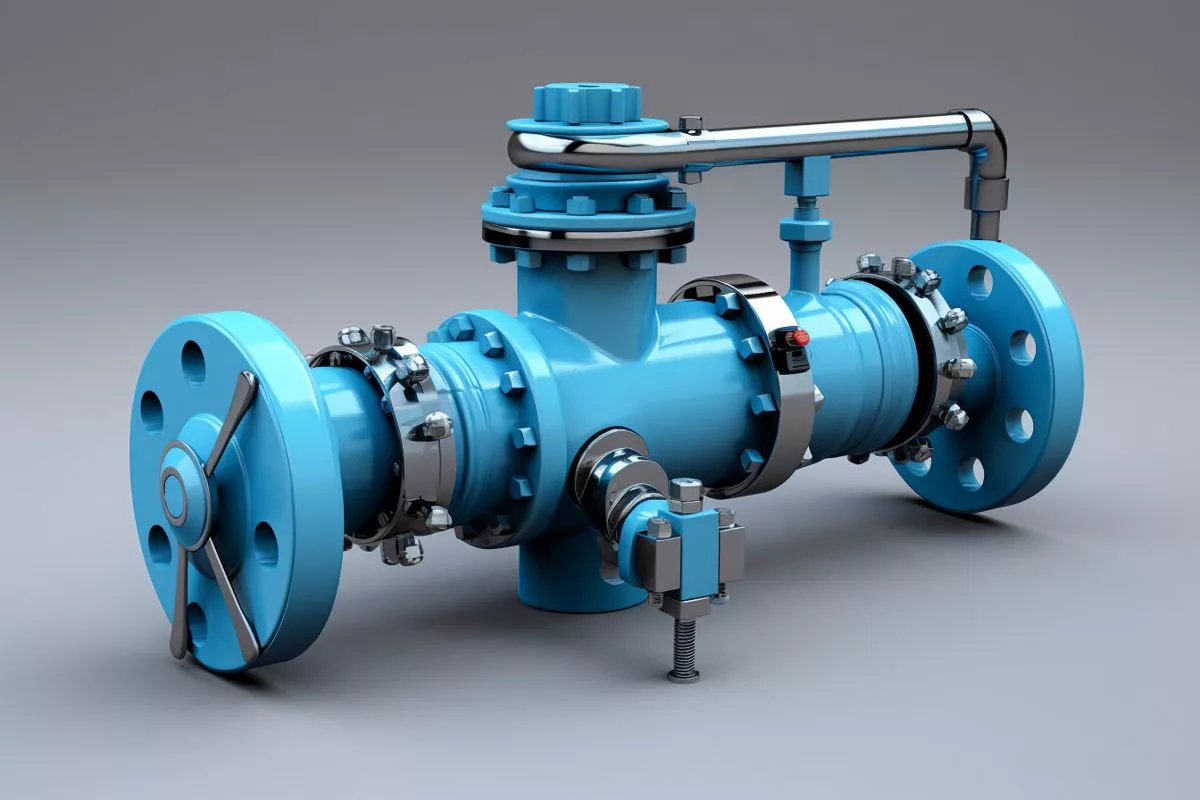
Pressure-reducing valves (PRVs) are key components of the water supply network. They maintain optimum pressure levels in pipelines, thereby extending their lifespan and reducing water waste through pipe bursts. This approach forms part of the City’s innovative Water Demand Management Strategy, designed to effectively manage water pressure and prevent unnecessary losses.
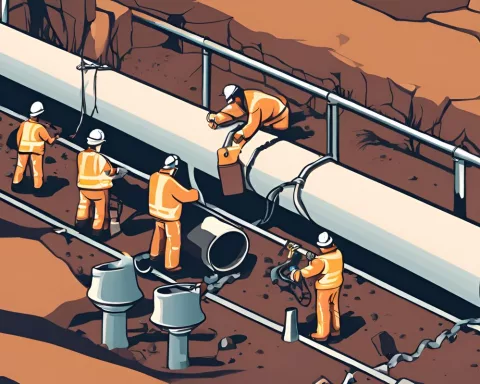
Maintenance work includes the installation, repair, and replacement of pipes and valves, which will inevitably lead to water supply disruptions.
Various areas of the city, including Durbanville and Kraaifontein, will experience outages due to the shutdown of the Wemmershoek Water Treatment Plant. Similarly, significant parts of Gordon’s Bay and the Langa area will experience water supply interruptions due to necessary maintenance work.
The Water and Sanitation Directorate’s proactive approach to maintaining and upgrading the city’s water infrastructure is a critical step towards ensuring a sustainable water supply future and addressing the pressing issue of unaccounted water.
Demonstrating foresight and meticulous planning, the Cape Town Water and Sanitation Directorate is committed to enhancing the city’s water infrastructure. The city’s resilient citizens understand that these temporary disruptions are a small sacrifice for a future of consistent, sustainable water supply. The city’s administration is encouraging residents to view these interruptions not as an inconvenience, but as a symbol of progress, and a reflection of the city’s commitment to providing top-tier services to its inhabitants.
1. What are the anticipated water disruptions in Cape Town?
The Cape Town Water and Sanitation Directorate is conducting zero-pressure tests and conditional assessments in areas like Plumstead and Wynberg, which may result in lower water pressure during daytime hours. Additional areas will also undergo zero-pressure testing and step-testing to implement pressure management technology. Residents may experience decreased water pressure or temporary water outages. These disruptions are necessary steps towards improving the water infrastructure and ensuring a sustainable water supply future.
2. What is zero-pressure testing, and how does it affect residents?
Zero-pressure testing is a crucial component in the implementation of pressure management technology. It helps to uncover any hidden inflows before the introduction of smart pressure-reducing valves. During these tests, residents may experience decreased water pressure or even temporary water outages.
3. What is the purpose of the Cape Town Water and Sanitation Directorate’s planned disruptions?
The Cape Town Water and Sanitation Directorate is conducting planned water disruptions as part of their efforts to improve their water infrastructure, which is crucial for a sustainable water supply future. The disruptions include zero-pressure tests and conditional assessments in various areas, which may result in lower water pressure or temporary outages. The proactive approach demonstrates the city’s commitment to providing top-tier services to its inhabitants.
4. What areas will be affected by the planned disruptions?
The planned disruptions include zero-pressure tests and conditional assessments in areas like Plumstead and Wynberg. Additional areas, including Plumstead, Southfield, Elfindale, Heathfield, and Diep River, will undergo zero-pressure testing. Other towns like Die Wingerd, Greenway Rise, Stuart’s Hill, and several others will also be subjected to zero-pressure tests.
5. What is the Water and Sanitation Directorate’s approach to maintaining and upgrading the city’s water infrastructure?
The Water and Sanitation Directorate’s proactive approach to maintaining and upgrading the city’s water infrastructure is a critical step towards ensuring a sustainable water supply future and addressing the pressing issue of unaccounted water. The city’s administration is encouraging residents to view these interruptions not as an inconvenience, but as a symbol of progress, and a reflection of the city’s commitment to providing top-tier services to its inhabitants.
6. What is the future water supply outlook for Cape Town?
The Cape Town Water and Sanitation Directorate is committed to enhancing the city’s water infrastructure. The city’s resilient citizens understand that these temporary disruptions are a small sacrifice for a future of consistent, sustainable water supply. Maintenance work includes the installation, repair, and replacement of pipes and valves, which will inevitably lead to water supply disruptions. The proactive approach of the Water and Sanitation Directorate demonstrates the city’s commitment to providing top-tier services to its inhabitants.