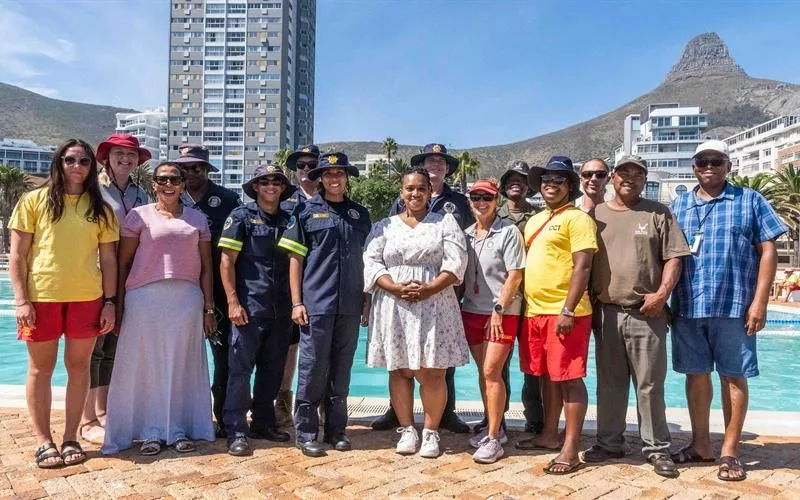
In a groundbreaking initiative, City lifeguards, SAPS, and SANParks rangers have come together to improve water safety protocols and strengthen ties of cooperation between different agencies. The program includes water safety training and a skills exchange between the agencies, fostering mutual respect and unity. The initiative not only enhances each agency’s capabilities but also contributes to overall public safety, marking a significant shift in the landscape of public safety.
Exploring the innovative collaboration between City lifeguards, SAPS, and SANParks rangers, this skills-share program improves water safety protocols and fosters unity among diverse agencies. This initiative not only enhances each agency’s capabilities but also contributes to overall public safety.
Birth of an Innovative Collaboration
Establishing a ground-breaking precedent, an exemplary skills-share programme has been introduced, uniting City lifeguards, South African Police Service’s (SAPS) Water Policing and Diving Services, and the rangers of Table Mountain National Park governed by SANParks. This cross-agency strategy stands as a fundamental leap forward in improving water safety protocols, cultivating a broader knowledge base and nurturing mutual respect and unity among diverse agencies.
The inception of this scheme can be traced back to a basic, yet highly effective concept: delivering water safety instruction to the SANParks rangers. Notably, the rangers, of whom there are approximately one hundred, are employed in and around Table Mountain National Park. This park is laden with a variety of aquatic habitats, including dams and a stunning coastline. As the park’s initial responders, they are typically the first to arrive at the scene in the event of any water-related emergencies.
Comprehensive Water Safety Training
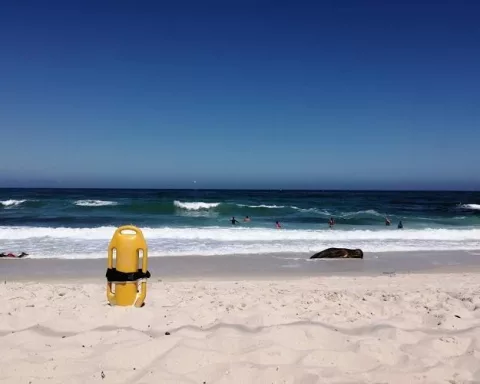
The initiative commenced with an illuminating water safety awareness workshop, led by the SAPS Water Policing and Diving Services (WPDS) from Cape Town and the National Sea Rescue Institute (NSRI). This program equipped the participants with critical knowledge regarding the prevention of drowning and the optimal use of NSRI’s pink rescue buoys.
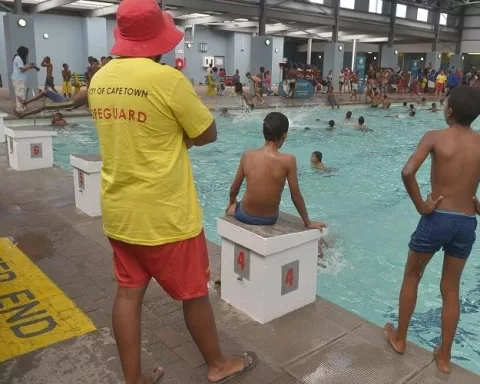
The subsequent stage of the scheme, which gradually unfolded over the last two weeks, saw the Senior Beach Lifeguards from the City showcasing their skills. Their objective was to evaluate the swimming proficiencies of the rangers–a vital requirement before the rangers could sign up to the Recreation and Parks Department’s Learn-to-Swim Programme, which is set to occur in the off-season.
Rather than simply focusing on training the rangers, the initiative also seeks to cultivate a reciprocal exchange of expertise. Several members of the SAPS WPDS, stationed in Cape Town, are currently preparing to certify as lifeguards, providing an additional dimension to their professional growth initiatives. This inter-agency partnership will also facilitate the transfer of skills from the SAPS WPDS to five City lifeguards.
A Two-Way Skill Exchange
This transfer of knowledge will equip the lifeguards with a grasp of the rules and steps to follow in the event of a drowning, while awaiting the arrival of SAPS. Furthermore, it will instil an understanding of how to initiate search patterns that could expedite the location of the victim. The lifeguards will also have the chance to venture into the exhilarating world of diving, particularly those who work in pools that are up to five metres deep.
This original and innovative strategy has been praised by Councillor Patricia Van der Ross, the Mayoral Committee Member for Community Services and Health. “Our lifeguards are quite familiar with collaborating with other agencies in the name of public safety, especially during the peak summer season, but this initiative elevates things to a whole new level,” she expressed.
In her view, this initiative presents a priceless opportunity to harness the abilities of the City’s lifeguards to empower and develop others, while simultaneously enabling them to gain new skills through this alliance. “Even though this is a short-term project, I believe there is tremendous value to be discovered, and hopefully, this marks the beginning of similar partnerships in the future,” she further elaborated.
Impacts and Ramifications
This skills exchange not only bolsters each agency’s capacity to handle water emergencies but also strengthens the ties of cooperation between these distinct entities. As they embark on this unique programme, it’s evident that the landscape of public safety is witnessing a significant shift.
By providing valuable insight into each other’s fields, these agencies are not only enhancing their own capabilities but also contributing to the overall safety and wellbeing of the public. In this way, this initiative is a testament to the power of collaboration and the innovative solutions that can emerge when diverse agencies come together for a common cause.
What is the groundbreaking initiative between City lifeguards, SAPS, and SANParks rangers?
City lifeguards, SAPS, and SANParks rangers have come together to improve water safety protocols and strengthen ties of cooperation between different agencies through a skills exchange program.
How is the skills exchange program improving water safety?
The program includes water safety training and a skills exchange between the agencies, fostering mutual respect and unity, and enhancing each agency’s capabilities.
Who are the participants in the skills exchange program?
The skills exchange program involves City lifeguards, South African Police Service’s (SAPS) Water Policing and Diving Services, and the rangers of Table Mountain National Park governed by SANParks.
What does the water safety awareness workshop entail?
The water safety awareness workshop, led by the SAPS Water Policing and Diving Services and the National Sea Rescue Institute, equips participants with critical knowledge regarding the prevention of drowning and the optimal use of NSRI’s pink rescue buoys.
What is the objective of the Senior Beach Lifeguards from the City in the skills exchange program?
The Senior Beach Lifeguards from the City evaluate the swimming proficiencies of the rangers to determine if they can sign up for the Recreation and Parks Department’s Learn-to-Swim Programme.
What are the impacts and ramifications of this initiative?
This initiative not only enhances each agency’s capabilities but also contributes to overall public safety, marking a significant shift in the landscape of public safety. The skills exchange program not only bolsters each agency’s capacity to handle water emergencies but also strengthens the ties of cooperation between these distinct entities, providing valuable insight into each other’s fields and contributing to the overall safety and wellbeing of the public.