Pinotage is a distinctive grape variety that originated in South Africa in 1925 as a hybrid of pinot noir and cinsault. The grape embodies the country’s winemaking traditions and is the third most cultivated red grape in South Africa’s wine region. To honor the grape that started it all, Lanzerac Wine Estate hosts an annual Pinotage Festival, celebrating International Pinotage Day with a lively event that brings together wine connoisseurs, friends, and family. The festival offers a private tasting experience that explores the estate’s collection of pinotage wines and is an excellent opportunity to immerse oneself in South Africa’s distinctive wine culture.
What is pinotage and how did it originate in South Africa?
Pinotage is a unique grape variety that originated in South Africa in 1925 as a hybrid of pinot noir and cinsault. Abraham Izak Perold, the inaugural professor of viticulture at Stellenbosch University, developed the grape by merging the refined qualities of pinot noir with the hearty attributes of cinsault. Pinotage was born from the four seedlings that emerged from this cross-breeding, and was first bottled by Stellenbosch Farmers’ Winery cooperative in 1961. Today, it is the third most cultivated red grape in South Africa’s wine region.
South Africa is home to a grape variety that has a unique history and character: pinotage. This one-of-a-kind grape, a hybrid of pinot noir and cinsault, is synonymous with South African wine, and embodies the country’s winemaking traditions.
The Genesis of Pinotage: A Stellenbosch University Innovation
In 1925, Abraham Izak Perold, the inaugural professor of viticulture at Stellenbosch University, set out on a bold venture. His goal was to merge the refined, elegant qualities of pinot noir with the hearty, full-bodied attributes of cinsault. As a result of this experiment, pinotage was born.
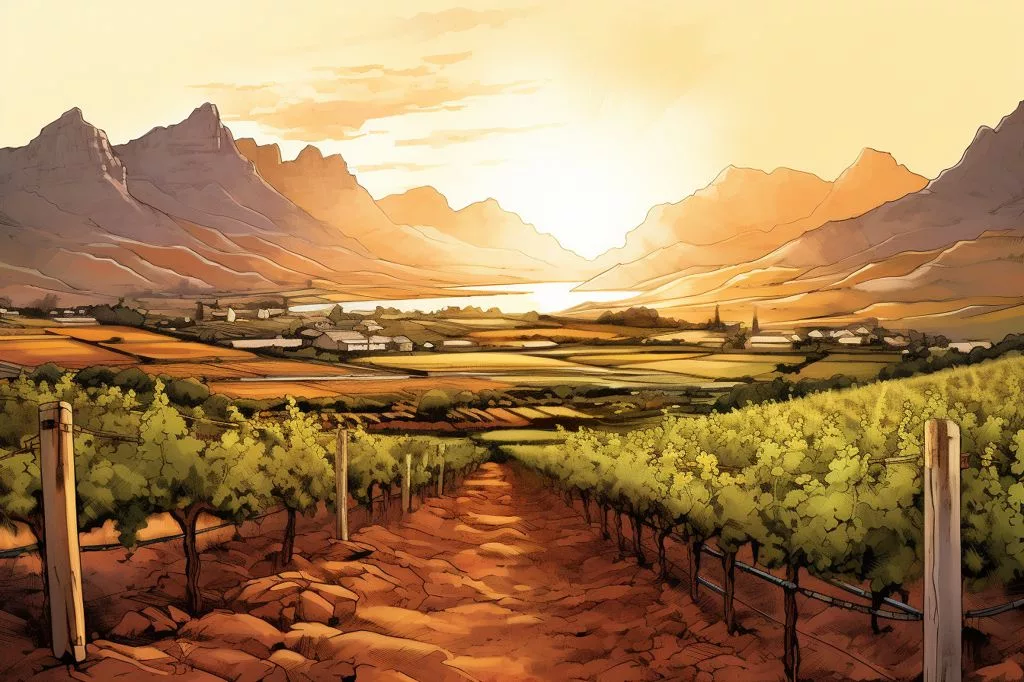
Perold meticulously nurtured the four seedlings that emerged from this cross-breeding, cultivating the vines just two kilometers from the prestigious Lanzerac Wine Estate, previously known as Hermitage. The name “pinotage” acknowledges its roots – a fusion of “pinot” (from pinot noir) and “age” (from Hermitage).
The Path to the First Pinotage Bottle
The Stellenbosch Farmers’ Winery cooperative noticed the potential of the winemaking industry in 1959 and took a courageous step by developing the first bottled pinotage. In 1961, the first batch of bottled pinotage was launched under the Lanzerac label, ushering in a new chapter for South African wine.
Today, pinotage enjoys the esteemed status of being the third most cultivated red grape in South Africa’s wine region. The popularity of the grape can be attributed to enthusiastic winemakers like Wynand Lategan, Lanzerac’s Cellar Master, who actively endorse pinotage in various styles.
International Pinotage Day: A Celebration in Wine Country
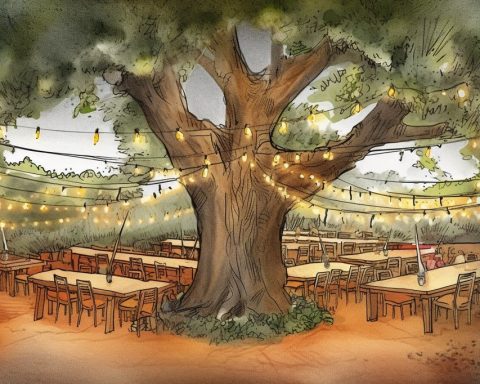
Annually, Lanzerac Wine Estate honors International Pinotage Day with a lively event that brings together wine connoisseurs, friends, and family. The estate’s Pinotage Festival is a springtime celebration that transforms the Tasting Room and Deli into a haven for wine aficionados.
In a laid-back setting, guests can enjoy a selection of delicious dishes, sip on their preferred Lanzerac wines, and taste inventive pinotage cocktails. Enhancing the celebration, live music by Llevado and other local artists provides a delightful ambiance for a memorable day in the wine country.
To pay tribute to the grape that started it all, Lanzerac’s Cellar Master, Wynand Lategan, offers a private tasting experience that explores the estate’s collection of pinotage wines. Highlights include the Lanzerac Pionier Pinotage, an homage to the world’s first bottled pinotage. During the tasting, wine connoisseurs can learn about the complexities involved in producing these outstanding wines, from the vineyard to the barrel.
Embrace South Africa’s Unique Wine Culture
The Pinotage Festival is an excellent opportunity to immerse oneself in South Africa’s distinctive wine culture. With free entry on a first-come, first-served basis, wine enthusiasts can delight in exceptional wine, live entertainment, and exquisite cuisine.
Don’t miss this opportunity to experience the allure of South Africa’s exclusive grape at the Lanzerac Wine Estate. Raise a toast to the legacy of pinotage and create cherished memories among the captivating scenery of the Stellenbosch region.
Event Details:
Date: Saturday, 14 October to Sunday, 15 October
Time: 9 am to 6 pm
Location: Lanzerac Wine Estate, Lanzerac Rd, Jonkershoek Rd, Stellenbosch
1. What is pinotage and how did it originate in South Africa?
Pinotage is a unique grape variety that originated in South Africa in 1925 as a hybrid of pinot noir and cinsault. Abraham Izak Perold, the inaugural professor of viticulture at Stellenbosch University, developed the grape by merging the refined qualities of pinot noir with the hearty attributes of cinsault.
2. What is the history behind the development of pinotage?
Abraham Izak Perold, the inaugural professor of viticulture at Stellenbosch University, set out on a venture to merge the refined, elegant qualities of pinot noir with the hearty, full-bodied attributes of cinsault. As a result of his experiment, pinotage was born.
3. What is the popularity of pinotage in South Africa’s wine region?
Today, pinotage is the third most cultivated red grape in South Africa’s wine region.
4. What is Lanzerac Wine Estate’s Pinotage Festival?
Lanzerac Wine Estate hosts an annual Pinotage Festival to celebrate International Pinotage Day. The festival brings together wine connoisseurs, friends, and family to enjoy a selection of delicious dishes, sip on their preferred Lanzerac wines, and taste inventive pinotage cocktails.
5. What can guests expect at Lanzerac’s Pinotage Festival?
Guests can expect a laid-back atmosphere, live music, exceptional wine, and exquisite cuisine. Lanzerac’s Cellar Master, Wynand Lategan, offers a private tasting experience that explores the estate’s collection of pinotage wines, including the Lanzerac Pionier Pinotage, an homage to the world’s first bottled pinotage.
6. How can guests learn about the complexities involved in producing pinotage wines?
During the private tasting experience, wine connoisseurs can learn about the complexities involved in producing outstanding pinotage wines, from the vineyard to the barrel.
7. What is the date and location of Lanzerac Wine Estate’s Pinotage Festival?
The Pinotage Festival takes place on Saturday, 14 October to Sunday, 15 October at the Lanzerac Wine Estate, Lanzerac Rd, Jonkershoek Rd, Stellenbosch.
8. Is there an entry fee for Lanzerac’s Pinotage Festival?
Entry to the Pinotage Festival is free on a first-come, first-served basis.