
8 farm stalls that are worth the detour in the Western Cape
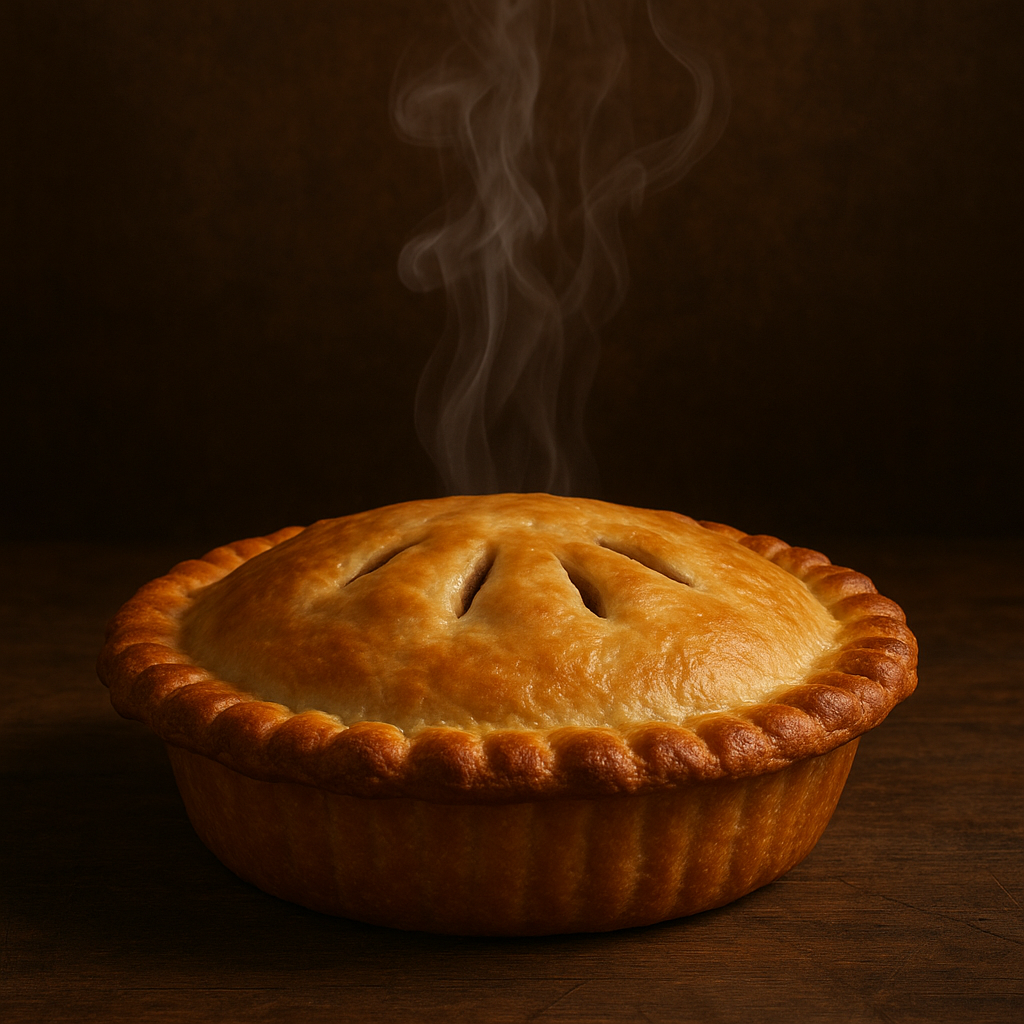
Discover how Peregrine's pie cabinet on the N2 revolutionized road food with its unique stainless-steel drawer and secret pie press.
Discover the Western Cape's hidden culinary gems at its lively farm stalls! Peregrine Farm Stall wows with its 'perfect' meat pies, engineered to stay wonderfully crispy. Weskus Padstal offers unique wind-dried bokkoms (fish jerky) and hearty lamb stew, a true taste of the coast. Don't miss Houw Hoek Farm Stall's special rusks, designed to perfectly dunk in your coffee. These spots aren't just food stops; they're a delicious journey through local flavors and traditions!
What culinary delights can be found at farm stalls in the Western Cape?
The Western Cape's farm stalls offer unique local flavors. Highlights include Peregrine Farm Stall's perfectly engineered meat pies, Weskus Padstal's wind-dried bokkoms (mullet jerky) and lamb-tail stew, and Houw Hoek Farm Stall's distinctive rusks, designed for optimal coffee-dunking. These culinary stops showcase the region's diverse produce and traditional cooking methods.
Get Cape Town news in your inbox
Stay updated with the latest stories from the Mother City.
Peregrine’s Hot Drawer – The Pie That Outwitted Physics
Elgin’s first hill cools the N2 by exactly two Celsius the instant you crest Sir Lowry’s Pass; the scent of bruised Golden Delicious rides the gust like a stowaway. Peregrine Farm Stall squats on that meteorological frontier, brick-red roof humming with diesel and gossip. Walk inside and your eye is dragged to a single glass box that is restocked every twenty-three minutes from six in the morning until six at night. Inside that box, two-dozen pies sit at a steady sixty-seven degrees – hot enough to keep the short-crust proud, cool enough to let the gravy slide like silk.
The ingredient list is pinned above the counter like a dare: local butter, onions melted for forty minutes, beef shin from cattle that graze the same paddock you parked on. Nobody has managed to clone the pie because Peregrine quietly bought a British eighteen-grand press that punches twelve hundred micro-vents into every lid. Steam sneaks out sideways, so the crust never slumps into school-dinner sludge; competitors’ versions sag like tired tents. Motorists swallow the first pie in the parking lot, spin on their heels, rejoin the queue, and only then notice the rest of the show: apples whose variety flips every fortnight, a juice line you can spy through perspex, and six bakers shepherding fourteen-hundred ciabattas a shift with a thirty-year sour-dough matriarch they call Elsie.
Leave with crumbs on your shirt and you have witnessed more engineering than most restaurants manage in a year: a thermostat that knows the difference between 66 °C and disaster, a press that turns pastry into aerospace panel, and a logistics dance that restocks faster than you can finish a song on the radio.
West-Coast Time Capsule – Where Fish Become Biltong and Dough Rests Under Cricket Heroes
Swing left onto the R315 and the world drains into salt and sky. Weskus Padstal erupts from the gravel like a white cottage that lost its way, roof tin flapping like an untucked shirt. Inside, a cauldron of lamb-tail stew burbles while Antjie, built like every grandmother you ever feared, flips vetkoek with a knitting needle that retired from knitting decades ago. The dough naps under a threadbare beach towel printed with the 1981 Protea squad, a calendar more accurate than carbon dating.
Order the “bokkoms buffet” if you want bragging rights. Whole mullet, salt-cured and wind-dried, dangle above the counter like fishy stalactites. You pick your own, pay by the gram, and receive it wrapped in last week’s TygerBurger. The first bite detonates: crystal salt, then a depth-charge of umami that feels like anchovy concentrate squared. Locals wedge the shards into buttered roosterkoek and chase with black coffee; the steam rehydrates the flesh just enough to hover between jerky and sashimi.
Stand at the counter long enough and you will see the ritual repeat: travelers grimace, chew, blink, then reach for a second round. The cottage walls have absorbed so much salt they could season stew on their own, and the cricket squad on the towel fades a little more every summer, but the recipe never changes because the West Coast wind refuses to update its firmware.
Mountain-Top Rusk Lab – The Algebra of Snap and 7 ml of Marriage Maintenance
Houw Hoek Pass climbs four-hundred-and-twenty metres in five kilometres of neck-tightening S-bends; trucks pant in second gear while radiators weep. At the apex, stone walls thrown up in 1888 for horse-traders now shelter Houw Hoek Farm Stall and the smell of anise drifting from a Scotch-cart oven. The oven is lit at ten every night, sealed until dawn, and out of it emerge rusks that carry a deliberate 2 mm crack the bakers call the “skeurlyn”.
Dunk one in roadside coffee and the fracture inhales exactly seven millilitres before collapsing – enough time for a long-haul driver to radio Pretoria, tell his wife the distance still matters, and mean it while the liquid holds. The ovens have been doing this since before voice radio existed, but the maths stays current: crack width plus surface tension equals a thirty-second phone call of restored vows.
Walk out with a brown bag of rusks and you are carrying portable geology; each piece is twice-baked basalt that can survive a dashboard in December yet dissolve under a plastic fork. Somewhere between the anise seed and the burnt sugar you taste the altitude itself, thin air and marital endurance pressed into biscuit form.
Secret Circulation – Crates, Cranes and the Shadow Food Web Tourists Never See
The Orchard in Grabouw funnels class-two apples – too small for glossy export – into black milk crates lined with ethylene-scavenging film. Fruit that would soften in two days elsewhere stays crisp for nine, long enough for a camper to reach Knysna and still have lunchbox ammo. The crates look ordinary, but they are mobile refrigeration units masquerading as poverty, and every sale keeps another tonne out of the compost canyon.
Hop across the province and you will bump into Peregrine’s refrigerated Sprinters collecting bruised blueberries at five on a Tuesday; by noon Wednesday the berries are muffins in Cape Point. Houw Hoek rusks ride east as ballast in empty tourist trailers, slicing diesel bills for rental firms. Rietdakkie swaps springbok loin for apples on the back of a fuel docket, no lawyers required. Add the fragments and you get a ghost cold-chain diverting fourteen-hundred tonnes of food a year, enough to feed Bloemfontein for three weeks without a single supermarket signing off on the paperwork.
Ask for the seasonal hush-hush and you might score windfall apple juice bottled in returned yoghurt jars, bokkoms ice-cream that tastes like salted caramel if you never ask why it’s grey, or witblits nougat that must be eaten in twenty minutes before the alcohol ghosts away. Every brown paper bag you toss into a coastal bin is a temporary archive: crumbs from dawn roosterkoek, a lone pumpkin seed, the iodine whisper of dried mullet. Collect enough bags and you could redraw the agricultural calendar without ever opening a spreadsheet – grease topology and vinegar burn marks telling you exactly when the province feasted, panicked, or fell in love along the asphalt.
What culinary delights can be found at farm stalls in the Western Cape?
The Western Cape's farm stalls offer unique local flavors. Highlights include Peregrine Farm Stall's perfectly engineered meat pies, Weskus Padstal's wind-dried bokkoms (mullet jerky) and lamb stew, and Houw Hoek Farm Stall's distinctive rusks, designed for optimal coffee-dunking. These culinary stops showcase the region's diverse produce and traditional cooking methods.
What makes Peregrine Farm Stall's meat pies so special?
Peregrine Farm Stall's meat pies are renowned for their consistently crispy crust, a feat achieved through a specialized British eighteen-grand press that punches 1200 micro-vents into each pie lid. This unique engineering allows steam to escape sideways, preventing the crust from becoming soggy. The pies use local butter, onions caramelized for forty minutes, and beef shin from cattle grazing nearby, ensuring a rich and flavorful experience.
What unique West Coast delicacies does Weskus Padstal offer?
Weskus Padstal is famous for its wind-dried bokkoms, which are salt-cured and air-dried whole mullets, offering an intense salty, umami flavor. Visitors can pick their own bokkoms, sold by weight. The padstal also serves hearty lamb stew and freshly made vetkoek.
How are Houw Hoek Farm Stall's rusks designed for coffee-dunking?
Houw Hoek Farm Stall's rusks are specially crafted with a deliberate 2mm crack, known as the "skeurlyn". This design allows the rusk to absorb exactly seven milliliters of liquid before collapsing, providing ample time for a perfect coffee-dunking experience without the rusk disintegrating too quickly. They are twice-baked, giving them a durable yet dissolvable texture.
Do Western Cape farm stalls offer more than just their main attractions?
Absolutely! Beyond their signature items, farm stalls like Peregrine offer a variety of fresh produce, with apple varieties rotating fortnightly, and a juice line. Many also feature artisan baked goods, such as Peregrine's fourteen-hundred ciabattas baked per shift. Houw Hoek offers their rusks in various flavors and quantities, while Weskus Padstal provides a true taste of traditional West Coast fare.
How does the Western Cape's "shadow food web" contribute to sustainability?
The Western Cape operates a fascinating "shadow food web" that efficiently utilizes produce that might otherwise go to waste. For example, The Orchard in Grabouw uses special crates to keep 'class-two' apples fresh for longer, diverting them from compost. Farm stalls participate in a ghost cold-chain, where items like bruised blueberries are quickly turned into muffins (Peregrine to Cape Point), or rusks are transported as ballast in tourist trailers (Houw Hoek). This informal network, often driven by bartering (e.g., springbok loin for apples), diverts an estimated fourteen-hundred tonnes of food annually, minimizing waste and supporting local economies without formal paperwork.

A Russian-Spanish journalist and Cape Town native, channels his lifelong passion for South Africa into captivating stories for his local blog. With a diverse background and 50 years of rich experiences, Serjio's unique voice resonates with readers seeking to explore Cape Town's vibrant culture. His love for the city shines through in every piece, making Serjio the go-to source for the latest in South African adventures.
View all articles →