
Call Centres power Cape Town communities
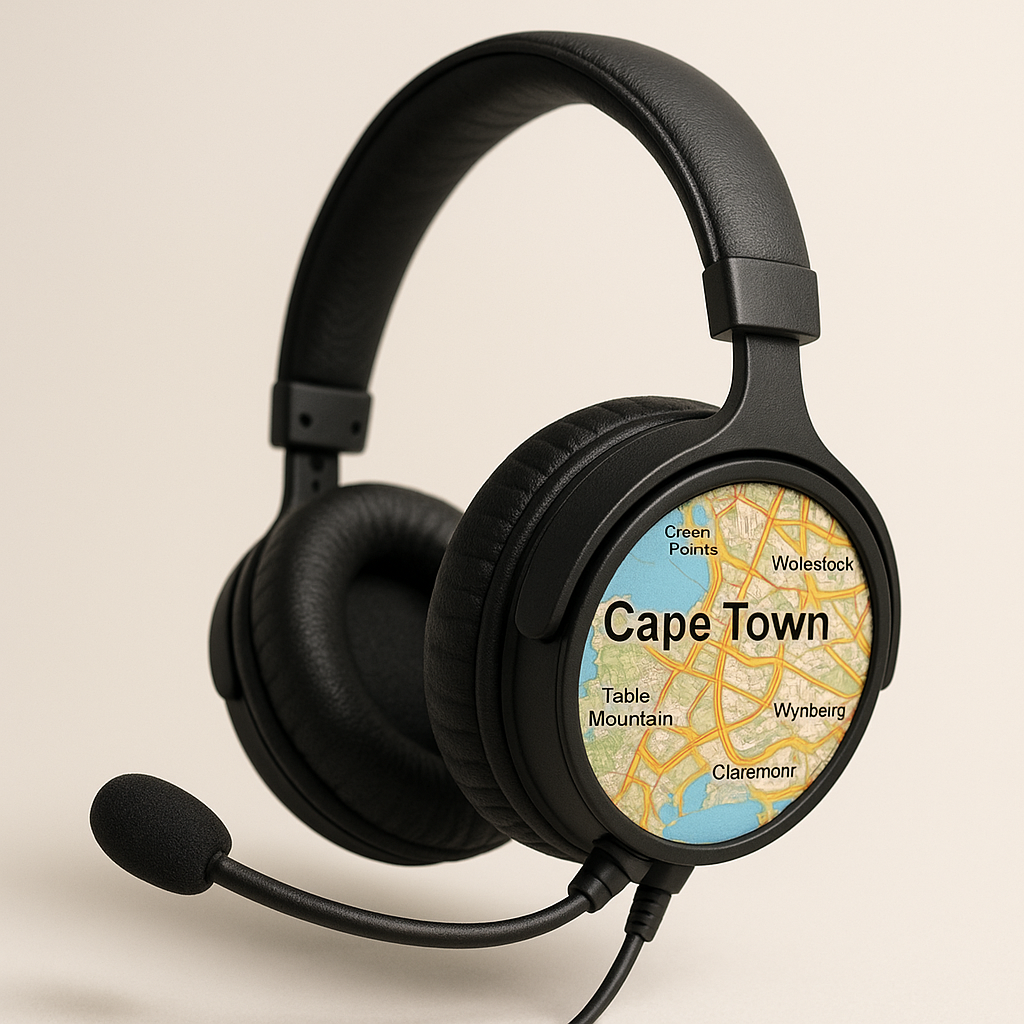
Cape Town's call center industry empowers townships, creating jobs and economic growth. Discover how this sector transforms lives and communities.
Cape Town is sparking a quiet revolution, transforming its historically overlooked townships into vibrant hubs for a booming global outsourcing industry. Once marginalized communities are now buzzing with call center agents, effortlessly guiding customers worldwide. This isn't just about jobs; it's about rewriting destinies, with every answered call creating a ripple effect of opportunity, from bustling night markets to solar-powered workstations. The city is cleverly weaving together talent, technology, and infrastructure, proving that the heart of its economic success beats strongest in the communities it once left behind. This bold shift is painting a brighter future, one headset at a time, for thousands previously excluded from the formal economy.
How is Cape Town leveraging its township communities for global outsourcing success?
Cape Town integrates township residents into its global outsourcing industry by establishing decentralized BPO nodes in historically underserved areas, offering training and job opportunities, and implementing infrastructure improvements that support shorter commutes and digital connectivity. This strategy taps into a large, English-speaking talent pool, significantly boosting the local economy.
Get Cape Town news in your inbox
Stay updated with the latest stories from the Mother City.
The Sound of Opportunity: Township Agents Answering the World
From sunrise on the Atlantic coast to dusk over the Cape Flats, Cape Town’s soundscape now includes a new rhythm: the low murmur of headsets and calm, helpful voices guiding someone in London through a phone-bill crisis, reassuring a Sydney traveller about insurance, or debugging software for a user in Toronto. The person on the line is increasingly likely to have grown up navigating the taxi ranks of Khayelitsha, the grid of Mitchells Plain or the sun-bleached lanes of Langa.
Recent data compiled by industry body CapeBPO for the City’s Economic Growth team shows that almost 70 % of the metro’s 100 000 call-centre employees live in townships or suburbs long left out of the formal economy. Mitchells Plain supplies 16 % of the workforce, Khayelitsha 15 %, Langa 7 %. Fold in Athlone, Hanover Park, Delft, Elsies River, Grassy Park, Kraaifontein and Manenberg and the share jumps above 65 %. In short, the engine room of Cape Town’s outsourcing success is not the glass towers of the CBD but the historically under-serviced sprawl of the Cape Flats.
How did an industry famed for downtown skyscrapers and manicured business parks drift - at least in human terms - towards the city’s edge? And what does that shift signal for Cape Town’s next decade of growth?
Cable Landings and Accent Luck: The Birth of a Township Talent Pipeline
South Africa barely registered on global outsourcing shortlists in the early 2000s. Bandwidth was ruinously expensive, connections unreliable and experienced agents scarce. The game changed in 2009 when two under-sea cables - Seacom and the West Africa Cable System - landed within months of each other, slashing data prices and lag. At the same time the Department of Trade, Industry and Competition (then the DTI) rolled out a tax-neutral grant that refunded offshore outsourcers up to R7 000 per worker every month.
Cape Town’s private sector and local government out-paced Johannesburg and Durban. A municipal one-stop shop for BPO investors opened in 2010; within five years seat capacity leapt from 13 000 to more than 35 000. The secret sauce, however, was demographic: a vast pool of English-speaking matriculants whose accents sounded “neutral” to British ears, a legacy of colonial mission schools and 1980s SABC anchors trained in Received Pronunciation.
Commutes, Corridors and Mini-Buses: How Geography Rewrote the Rules
Most agents do not live near the glitzy offices of Century City or the CBD; they rise before dawn and queue for minibuses that race along the N2, M5 and M7, dropping them back on the Flats 12 hours later. The daily tide has flipped public-transport economics: the busiest rank is now Philippi, where 32 000 passengers an hour head city-ward at sunrise.
Employers quickly noticed. First Amazon, Lufthansa InTouch and Booking.com laid on free shuttles. Then local firm Merchants piloted a satellite site, leasing a disused furniture store in Mitchells Plain’s Liberty Promenade mall, fitting 400 desks and plugging into fibre. Within six months absenteeism - traditionally the sector’s biggest cost - fell 28 %. “When your commute is a ten-minute walk, life becomes predictable,” explains Merchants Western Cape GM Thulani Mbethe.
The City’s 2023 Built-Environment Performance Plan now actively funds “decentralised BPO nodes.” A R120 million catalytic fund pays 30 % of fit-out costs for any accredited outsourcer that opens at least 150 seats in targeted townships. The first beneficiary, a 650-seat British retail-bank collections hub, will break ground in Khayelitsha’s Site C late next year.
From Voice to AI: Township Graduates Move Up the Digital Stack
Voice calls still deliver 62 % of offshore revenue, yet Cape Town’s service menu now spans machine-learning data labelling, medical-coding, legal-process outsourcing and KYC drone-map verification. These mid-skill jobs are exactly the rung many township graduates struggle to reach, blocked by transport fares and the gap between stipend-level learnerships and city-centre rents.
Enter the “twilight-campus” pilot: third-year UCT and UWC students attend lectures by day and paid analytics internships by night in Bellville and Gugulethu incubators. The first cohort of 120 earned an average stipend of R5 800 a month - enough to cover fee shortfalls - and 87 % walked straight into full-time roles after graduation.
Spaza Shops, Solar Panels and Spin-Off Jobs: The Township Multiplier Effect
At 19:00 the Mitchdeck Centre car park in Mitchells Plain turns into a night market: kota sandwiches rebranded as “quarter-yard heroes”, fruit stalls, manicure tables and “taxi queens” renting sedans to shuttle night-shift workers. Research by the Sustainable Livelihoods Foundation estimates that every permanent call-centre job supports 1,6 additional informal incomes - security guards, spaza owners, after-hours crèches, even bokashi compost entrepreneurs.
Direct wages in the sector total R19,4 billion a year; when induced spending on housing, retail, hair care and sport clubs is added, the figure jumps to R32 billion - about 6 % of metro GDP. In Langa, the Guga S’thebe Arts Centre revived its silk-screen workshop; its biggest client is the neighbouring contact-centre that needs branded T-shirts for wellness days. “Without them we’d still rely on occasional tourist craft sales,” says manager Ntombizanele Quma.
Headsets, Crèches and Solar Roofs: Infrastructure That Follows Workers
Cape Town’s apartheid geography - homes in the south-east, jobs in the north-west - has long forced commuters to chase work. When Amazon opened a 1 200-seat loyalty centre in the CBD in 2021, 42 % of applicants came from Khayelitsha/Mitchells Plain, yet 32 % of accepted candidates never pitched; the deal-breaker was the R1 200 monthly taxi fare. The lesson: infrastructure must trail workers, not the other way around.
The City has ring-fenced R1,8 billion over three years to upgrade priority corridors: widening the M5, adding high-occupancy lanes and building an N2/R300 interchange to slash travel time from Khayelitsha to Bellville. Openserve and Vumatel are trenching fibre along township main roads, funded by spectrum-auction proceeds, with a target of 50 Mbps fixed-line speeds in every suburb by 2026 - vital for the emerging “work-from-tavern” model where agents log into VPNs from retro-fitted spaza backrooms.
Autism, VR Classrooms and Rural Halls: The Next Frontiers
Urban unemployment remains stubborn, so planners are eyeing smaller towns. A 300-seat pilot in Caledon - 100 km inland - services a German fintech; 70 % of staff are former farm workers earning R7 500 a month, double the local hospitality rate. Surplus fibre, stable power and idle school halls make the Overberg and West Coast ripe for replication, easing rural poverty and slowing metro migration.
Neuro-diversity is another untapped pool. A 150-seat “neuro-hub” in Pinelands employs agents on the autism spectrum for complex fraud-analysis calls. Noise-cancelling booths, adjustable lighting and predictable scripts cut attrition to half the industry norm. CapeBPO plans township containers retro-fitted as sensory-friendly pods, funded by USAID grants.
Grey-List Risk and Rand Swings: Staying Competitive in a Volatile World
South Africa’s 2023 grey-listing by the EU over money-laundering gaps rattled European clients. The industry responded with the Cape Town Compliance Collective, a non-profit that pools forensic expertise and lobbies Treasury for faster beneficial-ownership reform. Township operators now receive world-class compliance training, boosting their appeal to European banks that once outsourced only to Manila or Krakow.
Currency swings remain a double-edged sword. A softer rand inflates local revenue but spooks risk-averse procurement teams. Investec now offers a hedging product that locks USD/ZAR within ±15 % bands for 36 months, letting firms bid on multi-year deals without betting on macro-economics.
One Call at a Time: Rewriting Aspirations from Langa to Lagos
Every night at 21:00 SAST, as the UK business day ends, 45 000 Cape Town agents log off, flood taxi ranks and step into township streets alive with new spending power. Their headsets may look identical, yet the voices they connect with are subtly shifting accents, expectations and ambitions. The next expansion wave will be measured not only in seats or dollars but in shorter commutes, greener electrons, neuro-diverse talent and rural inclusion. Until then, the industry the world still dismisses as “just call centres” will keep dialling up change - one interaction at a time.
What is Cape Town's "Quiet Revolution" in the outsourcing industry?
Cape Town's "Quiet Revolution" refers to its strategic shift in leveraging historically overlooked townships as vibrant hubs for the global outsourcing industry. This initiative transforms marginalized communities into centers for call center agents and other BPO services, creating jobs, fostering economic growth, and integrating these communities into the formal economy. It's about empowering township residents and making them the engine room of the city's outsourcing success.
How has the outsourcing industry integrated township residents into its workforce?
The outsourcing industry in Cape Town has deliberately shifted its focus towards township communities by establishing decentralized BPO nodes, such as satellite sites in local malls. Companies like Amazon, Lufthansa InTouch, and Booking.com initially offered free shuttles to city-center offices. More recently, the City's investment in "decentralised BPO nodes" and catalytic funds encourages accredited outsourcers to open facilities directly within targeted townships, drastically reducing commute times and making jobs more accessible. This has led to almost 70% of the metro's 100,000 call-centre employees living in townships or suburbs previously excluded from the formal economy.
What factors contributed to South Africa becoming a key player in global outsourcing?
South Africa's rise in global outsourcing, particularly Cape Town's success, can be attributed to several key factors. The landing of two undersea cables (Seacom and WACS) in 2009 significantly reduced data prices and improved connectivity. The Department of Trade, Industry and Competition also introduced a tax-neutral grant, refunding offshore outsourcers up to R7,000 per worker monthly. Additionally, Cape Town boasts a vast pool of English-speaking matriculants whose

A Russian-Spanish journalist and Cape Town native, channels his lifelong passion for South Africa into captivating stories for his local blog. With a diverse background and 50 years of rich experiences, Serjio's unique voice resonates with readers seeking to explore Cape Town's vibrant culture. His love for the city shines through in every piece, making Serjio the go-to source for the latest in South African adventures.
View all articles →